




The Monsoon Immunity Dip
Why does the rainy season feel like a health obstacle course? The combination of high humidity and lower temperatures creates a perfect breeding ground for bacteria and viruses. This environment increases the risk of water-borne and air-borne infections,
leading to common monsoon ailments like the flu, coughs, colds, and digestive issues. Furthermore, reduced sun exposure can lead to lower Vitamin D levels, a crucial component for a robust immune system. Our bodies work harder to maintain their core temperature, and the dampness can sometimes slow down our digestive fire, or 'agni,' as described in Ayurveda. This makes us more susceptible to illness, shifting the focus from simply enjoying the rain to actively protecting our health through what we eat.
Embrace Healing Spices
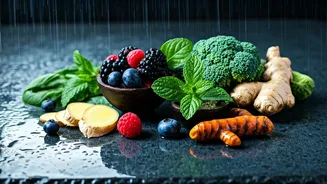
Your kitchen's masala dabba is your first line of defence. Spices like turmeric (haldi), ginger (adrak), and black pepper (kali mirch) are no longer just for flavour; they are being recognised for their powerful medicinal properties. Turmeric contains curcumin, a compound with potent anti-inflammatory and antioxidant effects. A warm glass of haldi doodh before bed is a timeless remedy for a reason. Ginger is another superstar, known for its ability to soothe sore throats, reduce nausea, and fight respiratory infections. Adding freshly grated ginger to your tea or curries can make a significant difference. Similarly, garlic’s antimicrobial properties help fight off germs, making it a wise addition to soups and vegetable stir-fries during this season.
Sip on Soothing Soups
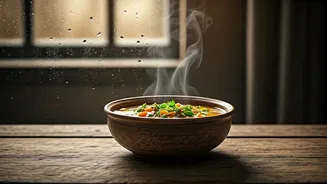
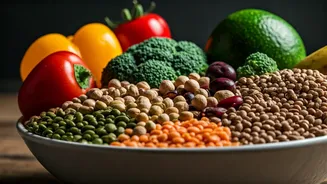
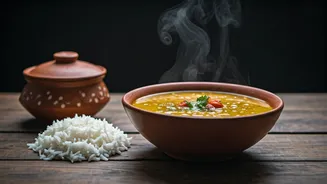
A warm bowl of soup is the ultimate monsoon comfort, but it’s also a strategic health choice. Light, vegetable-based soups are easy to digest and provide essential hydration. They are an excellent vehicle for packing in nutrients from various vegetables like carrots, tomatoes, and spinach. A simple mixed vegetable soup, moong dal soup, or even a clear chicken broth can provide warmth and vital minerals that support immune function. Avoid heavy, cream-based soups that can be difficult to digest. Instead, focus on broths seasoned with immunity-supporting ingredients like ginger, garlic, and a pinch of black pepper to help clear congestion and keep you warm from the inside out.
Focus on Gut-Friendly Foods
A healthy gut is the foundation of a strong immune system. The monsoon can be particularly harsh on our digestive health. Including probiotics in your diet is a smart move. Yoghurt (dahi) and buttermilk (chaas) are excellent sources of good bacteria that help maintain a healthy gut microbiome. They aid digestion and help the body absorb nutrients more effectively. Fermented foods like idli and dosa are also light on the stomach and beneficial. It's generally advised to avoid consuming too much street food or raw salads during this time, as the risk of contamination is higher. Opt for well-cooked, warm meals to keep digestive distress at bay.
Choose Seasonal Fruits Wisely
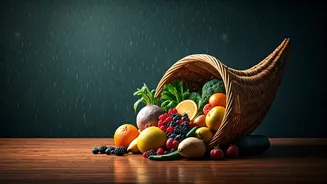
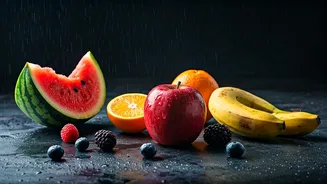
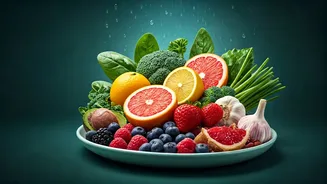
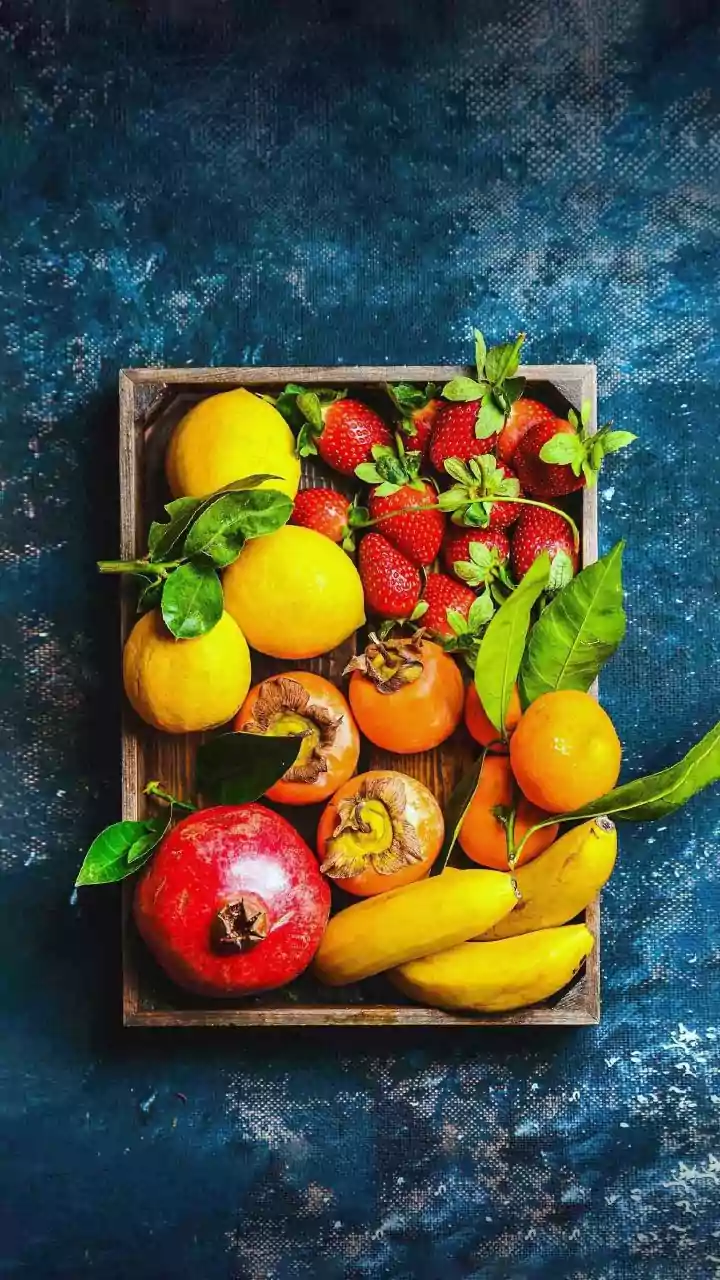
While many fruits are available year-round, focusing on seasonal monsoon produce is a smart strategy. Fruits like jamun, pomegranate (anaar), and cherries are rich in antioxidants and Vitamin C, which are crucial for fighting infections. Pomegranates, in particular, are known for their ability to boost the production of infection-fighting white blood cells. Apples and pears are also good choices. It’s best to consume fruits that have thick peels and to wash them thoroughly before eating. Try to avoid fruits that have been pre-cut by vendors and stick to whole fruits you can prepare at home to minimize the risk of contamination.
Rethink Your Pakora Platter
No one is asking you to give up your beloved monsoon snacks entirely. However, being 'immunity-smart' means enjoying them in moderation. Deep-fried, oily foods can be heavy on the digestive system and may contribute to sluggishness and throat irritation. Instead of indulging every day, limit them to a weekly treat. Better yet, try healthier cooking methods. Use an air fryer to make your pakoras or tikkis with minimal oil. You can also make snacks from healthier ingredients like moong dal cheela or steamed corn. It’s about finding a balance between satisfying your cravings and supporting your body’s health.