





Start with a Spotless Kitchen
The foundation of safe prasad is a clean cooking environment. Before you even begin measuring ingredients, ensure your kitchen is prepared for the task. Thoroughly wash your hands with soap and water for at least 20 seconds. All utensils, cutting boards,
and countertops should be cleaned and sanitized with hot, soapy water to eliminate any lingering germs. Use clean cloths to wipe surfaces and avoid any cross-contamination by keeping raw and cooked food items separate from the start. This initial step is non-negotiable for preventing the spread of bacteria.
Choose Fresh, High-Quality Ingredients
The safety and shelf life of your prasad depend heavily on the quality of your raw materials. When preparing sweets, always opt for fresh ingredients from trusted vendors. This is especially important for perishable items like milk, khoya (mawa), and fresh coconut. Check for freshness and avoid anything that smells off or looks discoloured. Using pasteurized milk is a safer choice as the pasteurization process kills harmful bacteria. With the demand for these ingredients surging during festivals, adulteration can be a concern, so purchasing from reputable sources helps ensure the purity of your offerings.
The Art of Safe Storage
Once your delicious prasad is ready, storing it correctly is key to maintaining its freshness and safety. The first rule is to let the sweets cool down completely to room temperature before storing them. Trapping steam in a container creates moisture, which is a breeding ground for mould and bacteria. Use separate, airtight containers for different types of sweets to prevent flavours from mixing and moisture from transferring. Glass or stainless steel containers are generally preferred over plastic.
Know Your Sweet's Shelf Life
Not all homemade sweets are created equal when it comes to how long they last. Sweets made with milk, khoya, or fresh coconut are highly perishable and have a much shorter shelf life. These should be refrigerated and ideally consumed within two to four days. On the other hand, drier sweets like besan ladoo, which are made with roasted flour and ghee, can last much longer—often for a week or more—if stored properly in a cool, dry place. Fried modaks will also last longer than steamed ukadiche modak. Understanding these differences helps you plan your preparation and distribution.
Refrigeration Rules for Perishables
For sweets containing milk products or fresh coconut, refrigeration is a must. Store them in a sealed container to prevent them from absorbing odours from other foods in the fridge. Placing a sheet of parchment or butter paper between layers can prevent them from sticking together and provides an extra barrier against moisture. When you're ready to serve, it's a good practice to let refrigerated sweets sit at room temperature for about 10-15 minutes to soften slightly and improve their texture. Coconut-based modaks, for instance, can be stored in an airtight container in the fridge for up to a week in some cases.
Spotting the Signs of Spoilage
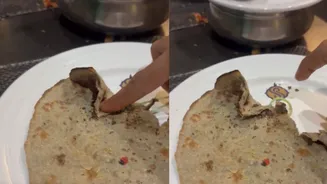
Always trust your senses before consuming or distributing prasad. Do not taste any food you suspect might be spoiled. Look for clear signs of spoilage. An unusual or sour smell is a major red flag. Check for any visible mould, which might appear as fuzzy spots of green, white, or black. Changes in texture, such as sliminess on the surface or excessive dryness, can also indicate that the sweet is past its prime. If a food has an unusual odour or has been stored improperly, it is safest to discard it. Ensuring the prasad is safe is as important as the devotion with which it was made.