

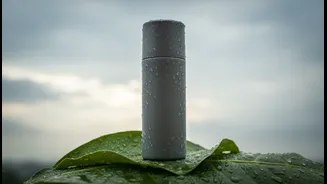


Humidity: A Double-Edged Sword for Skin
High humidity can be both a friend and a foe to your skin. On one hand, the moisture in the air can help keep skin hydrated, giving it a plump and supple appearance. This is because humid air slows down the rate at which moisture evaporates from your skin's
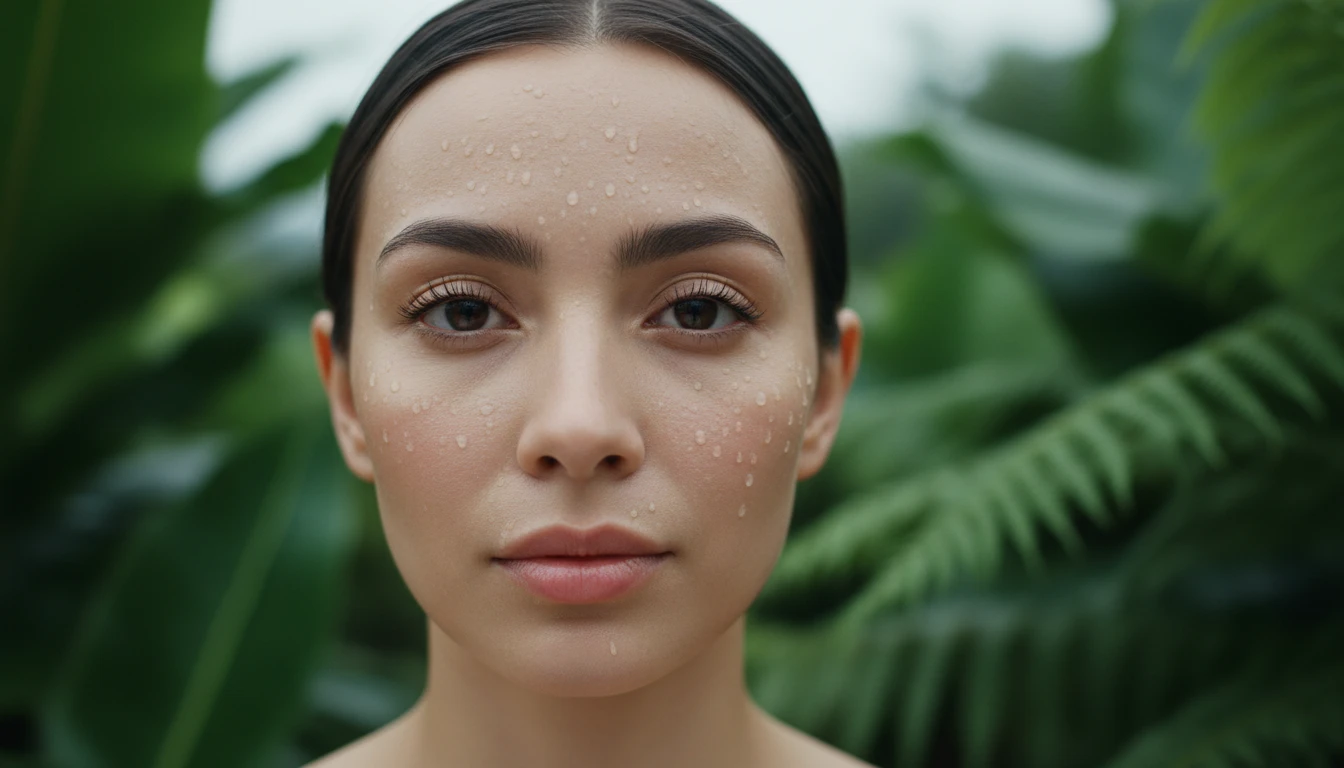
surface. However, this same environment can also cause problems. The combination of heat and humidity often stimulates the sebaceous glands to produce more oil, or sebum. When this excess oil mixes with sweat, which can't evaporate easily in moist air, it creates a sticky film on your skin. This can leave your complexion looking greasy and feeling congested.
The Breakout and Bumps Connection
One of the most common complaints during humid weather is an increase in acne. It's a perfect storm: your oil glands are in overdrive, and the mix of sweat and excess sebum creates an ideal environment for bacteria to thrive. This mixture, along with dirt and dead skin cells, can easily clog pores, leading to blackheads, whiteheads, and inflamed pimples. Beyond typical acne, high humidity also creates a favourable breeding ground for fungal growth. This can lead to conditions like fungal acne (pityrosporum folliculitis), which presents as small, uniform, itchy bumps, as well as other fungal infections like athlete's foot or jock itch. Another common issue is heat rash, or prickly heat, which occurs when sweat ducts become blocked, causing itchy red bumps.
Your Humidity-Proof Skincare Plan
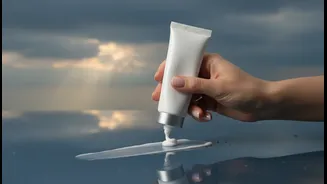
Managing your skin in high humidity isn't about fighting the weather, but adjusting your routine. The key is to go lighter, not to use fewer products. Start by cleansing your face twice a day with a gentle, non-stripping cleanser to remove the build-up of sweat, oil, and grime without damaging your skin barrier. Even though the air is moist, your skin still needs hydration. The trick is to swap heavy, oil-based creams for lightweight, gel-based, or water-based moisturisers. These provide hydration without feeling greasy or clogging pores. Finally, never skip sunscreen, even on cloudy monsoon days. UV rays penetrate clouds and can worsen dark spots left by acne. Opt for a non-comedogenic or gel-based formula with at least SPF 30 to protect your skin without adding extra oiliness.
Choosing Your Ingredients Wisely
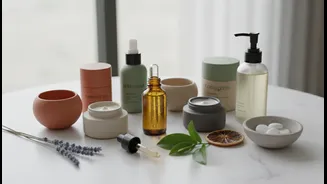
When the air is heavy, the ingredients in your products matter more than ever. Look for formulas that are labelled "non-comedogenic," meaning they are designed not to clog pores. Incorporating specific active ingredients can also make a huge difference. Niacinamide (a form of Vitamin B3) is a superstar for humid weather, as it helps regulate oil production, minimises the appearance of pores, and strengthens the skin barrier. Lightweight hydrators like hyaluronic acid are also excellent; they attract water to the skin, providing a plumping effect without any heaviness. For those prone to breakouts, salicylic acid, a beta-hydroxy acid (BHA), can be very effective at exfoliating inside the pores to keep them clear. On the other hand, it's best to avoid heavy, occlusive ingredients like thick butters and some heavy oils that can trap sweat and lead to congestion.