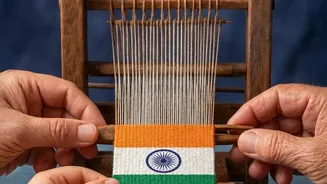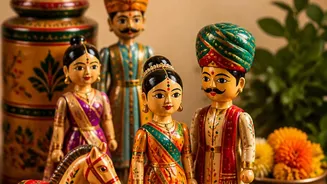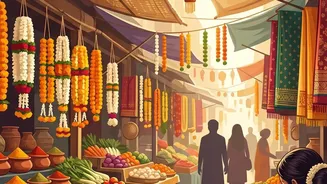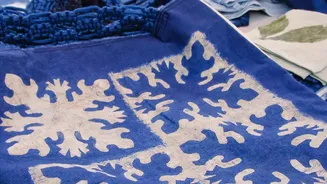


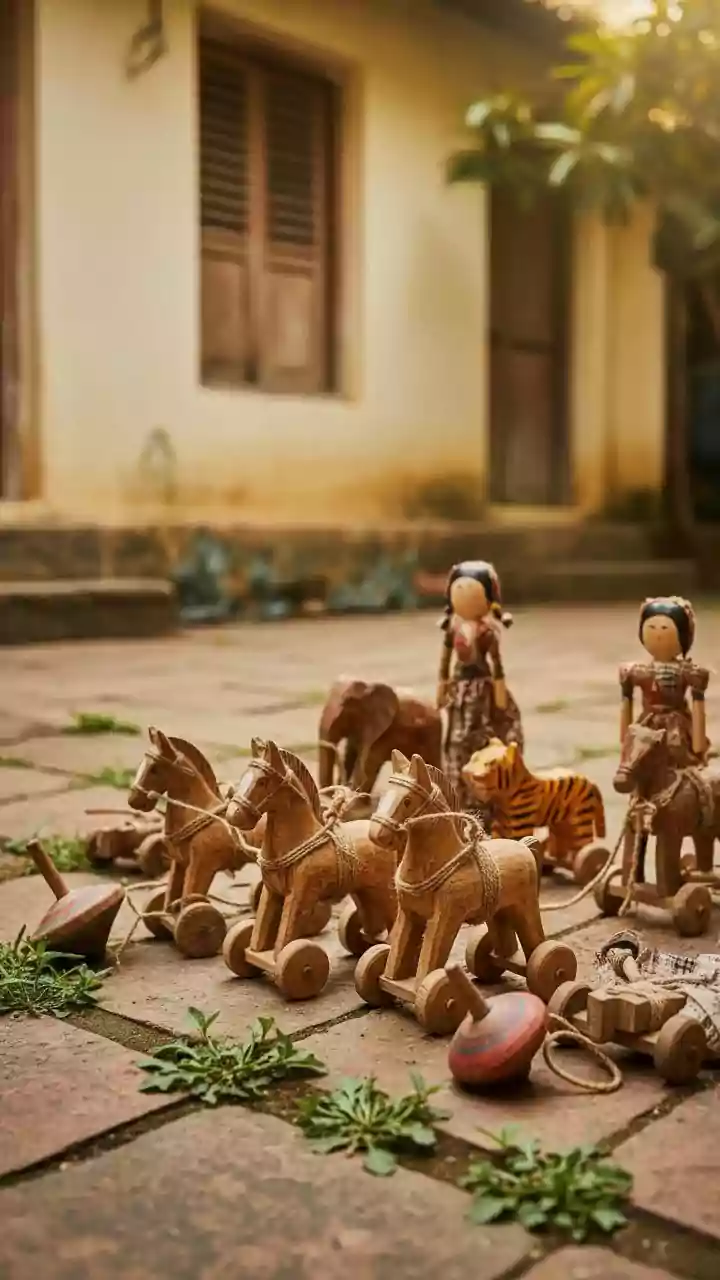




A quiet revolution is taking place in Indian homes. As tastes shift from mass-produced objects to items with a story, modern decor trends are breathing new life into a sector that is core to our cultural identity: artisanal handicrafts.
A Shift Towards Mindful Decor
In recent years,
a growing number of homeowners have started to look beyond factory-made perfection, seeking instead authenticity and soul in their living spaces. This movement towards 'slow living' and conscious consumerism has sparked a renewed appreciation for items that are handmade, sustainable, and carry a rich history. Consumers are increasingly interested in the story behind their decor—who made it, where it came from, and what traditions it represents. This has created a fertile ground for the comeback of traditional Indian crafts, which were once at risk of fading away due to industrialisation and changing tastes. The slight imperfections in a hand-thrown pot or the unique variations in a block-printed fabric are no longer seen as flaws, but as desirable features that signify a human touch.
Global Trends, Indian Soul
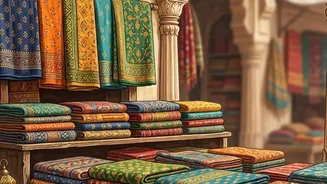
Several popular global decor trends have proven to be a natural fit for Indian craftsmanship. Styles like 'Bohemian' (or Boho), with its love for layered textiles, eclectic patterns, and natural materials, find their perfect expression in Indian handlooms, macrame, and block prints. Similarly, 'Japandi'—a hybrid of Japanese minimalism and Scandinavian warmth—emphasises clean lines, natural textures, and functional beauty, creating demand for handcrafted wooden furniture, terracotta, and jute or cane accessories. These trends favour materials like rattan, clay, wood, and handwoven fabrics, all of which are staples of Indian artisanal traditions. As a result, a Madhubani painting on a minimalist wall or a set of Dhokra figurines on a modern shelf is no longer a nostalgic choice, but a design-forward one.
From Village Markets to Virtual Carts
This revival would not be possible without technology. E-commerce platforms and social media have become critical lifelines, bridging the vast geographical and cultural gap between rural artisans and urban consumers. Online marketplaces, from large players like Amazon Karigar and Etsy to specialised platforms, allow artisans to showcase their products to a global audience, often bypassing the middlemen who historically took a large cut of the profits. Through high-quality photos, videos, and storytelling, these digital storefronts help communicate the value and authenticity behind each piece, building a direct connection between maker and buyer. This digital shift has been transformative, giving artisans access to market insights, stable income, and the ability to turn their heritage skills into sustainable businesses.
A New Lease on Life for Craftspeople
The renewed demand translates into more than just sales; it means cultural preservation. With over seven million artisans in India, many in rural communities, this economic boost is vital. When crafts provide a stable livelihood, it encourages the younger generation to continue learning and practising these age-old skills, ensuring they are passed down. Organisations and designers are also playing a key role by collaborating with artisans to create innovative products that appeal to contemporary tastes while honouring traditional techniques. This creates a powerful cycle: modern demand fuels economic stability, which in turn ensures the survival and evolution of the craft itself, preserving a vital part of India's cultural fabric for the future.
Navigating the Challenges Ahead
Despite the positive momentum, significant challenges remain. Many artisans still struggle with a lack of digital literacy, making it difficult to navigate online platforms without support. Access to finance, fluctuating raw material costs, and the difficulty of scaling handmade production for bulk orders are also persistent hurdles. Furthermore, the success of these crafts has unfortunately attracted cheap, mass-produced imitations that flood the market, threatening the livelihood of genuine craftspeople. Ensuring fair wages and ethical sourcing is crucial to make sure the benefits of this revival truly reach the artisans at the grassroots level. As consumers, being mindful of authenticity and the story behind a product becomes an important part of supporting this ecosystem.