






What Are the Orionids?
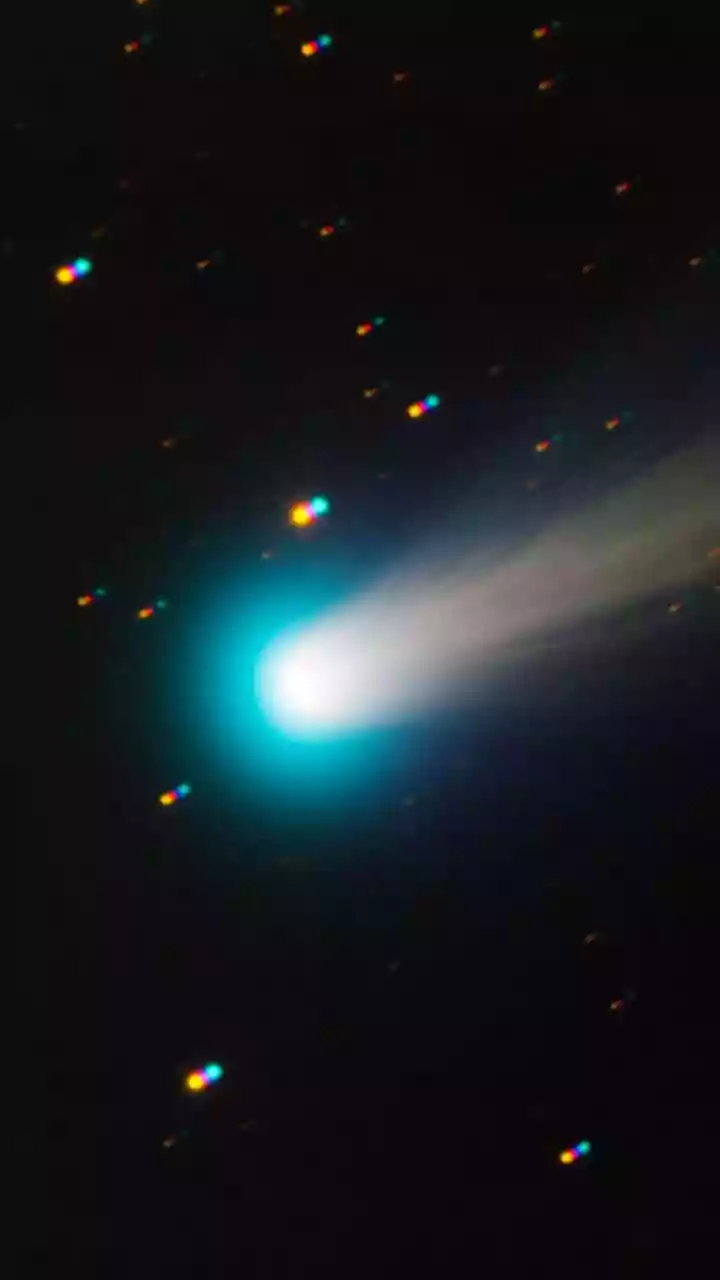
The Orionid meteor shower is an annual event that occurs when Earth passes through the stream of debris left behind by Halley's Comet. These tiny particles, often no bigger than a grain of sand, burn up upon entering our atmosphere at incredible speeds—about
66 kilometres per second—creating the fiery streaks we call meteors or 'shooting stars'. The Orionids are known for their brightness and speed, and they can sometimes leave glowing trails, called trains, that linger for a few seconds. On rare occasions, they can even produce exceptionally bright fireballs. The shower gets its name because the meteors appear to radiate from a point in the constellation Orion, the Hunter, which serves as a helpful marker in the sky.
Key Dates and Peak Times for India
The Orionid meteor shower is active from early October to early November 2026. However, the best time to watch will be during its peak, on the night of October 21 and into the early morning of October 22. During the peak, you could see between 15 and 20 meteors per hour from a location with dark skies. For viewers in India, the ideal time to start watching is after midnight, once the constellation Orion has risen high in the eastern sky. There is a challenge this year: a bright waxing gibbous moon will be in the sky during the peak's early hours. The best viewing window will be in the pre-dawn hours, roughly from 3 a.m. local time until dawn, after the Moon has set.
How to Find the Orionids
You don't need any special equipment to see the Orionids—just your eyes. After midnight, find a comfortable spot and look towards the eastern sky to locate the constellation Orion. It is easily recognisable by the three bright stars that form its 'belt'. The radiant, or the point from which the meteors appear to originate, is just north of Orion's bright star, Betelgeuse. However, you don't need to stare directly at the radiant. In fact, it's often better to look about 45 degrees away from it, as this allows you to see meteors with longer and more spectacular tails. The meteors can appear anywhere in the night sky, so the best approach is to lie back and take in as much of the sky as possible.
The Challenge of City Stargazing
For those living in metropolitan areas like Mumbai, Delhi, Bengaluru, or Chennai, light pollution is the biggest obstacle to enjoying a meteor shower. The bright glow from city lights washes out the night sky, making it difficult to see all but the brightest celestial objects. Smog and haze can further obscure the view, especially in post-monsoon months. While ideal viewing happens in remote, dark locations like Ladakh or the Rann of Kutch, it’s not impossible to catch the show from an urban environment. The key is to find the darkest possible spot available to you and to be patient.
Tips for Urban Skywatchers
To maximise your chances of seeing the Orionids from a city, first try to get away from direct light. This could mean heading to a large park, a high rooftop, or the outskirts of the city. Turn off all lights around you, including your phone screen, and allow your eyes at least 20-30 minutes to fully adapt to the darkness. This is crucial for spotting the fainter meteors. Since the best viewing is in the early morning hours, you'll be looking up when city activity is at a minimum, which helps. Stargazing apps can help you locate Orion, but use them in red-light mode to preserve your night vision. Even if you only see a handful of meteors, the experience of watching for them is a rewarding way to connect with the cosmos.