





The Marketing vs The Regulation
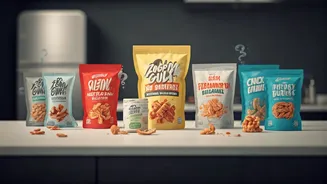
The front of a snack package is designed to catch your eye and sell a product. Words like “healthy,” “wholesome,” or “guilt-free” are used to create a positive impression, often called a “health halo.” This can trick our brains into thinking a product is better
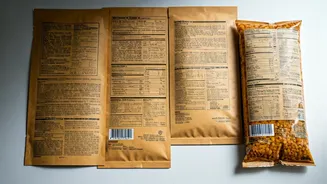
for us than it is. However, the real story is on the back of the pack. This is where regulations from bodies like the Food Safety and Standards Authority of India (FSSAI) come into play. The FSSAI governs the mandatory information that must be displayed, such as the ingredient list and nutritional facts, ensuring a degree of transparency for consumers. In fact, the FSSAI recently issued notices to several food companies for making misleading health claims on their packaging, highlighting the gap between marketing buzz and nutritional reality.
Decoding Common Health Claims
Many popular buzzwords on snack packaging can be misleading. For instance, “multigrain” simply means a product contains more than one type of grain; it doesn't guarantee they are whole grains. The product could still be made mostly of refined flour (maida). Similarly, “natural” isn't a regulated term and can be used on products containing highly processed ingredients like high-fructose corn syrup. “Low-fat” or “fat-free” snacks often compensate for the lack of fat by adding extra sugar and artificial ingredients to improve taste. And a “sugar-free” label might mean the product has artificial sweeteners, which may not be a healthier alternative. Even claims like “made with real fruit” can be deceptive, as a product may contain only a tiny percentage of fruit pulp or concentrate.
The Truth Is in the Ingredient List
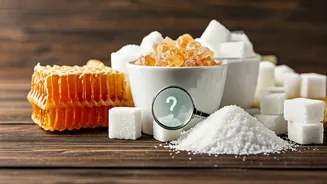
The single most powerful tool you have is the ingredient list. By law, ingredients must be listed in descending order by weight. This means the first three ingredients make up the bulk of the product. If sugar (or its many aliases like corn syrup, maltodextrin, or fructose), maida, or palm oil are at the top of the list, you know the snack is not as wholesome as its front-of-pack claims suggest. A shorter ingredient list with names you recognise—like whole grains, nuts, seeds, and fruit—is generally a sign of a less processed, more nutritious snack.
How to Read the Nutrition Label
Beyond the ingredients, the nutrition information panel is your next stop. Pay close attention to the serving size, which is often manipulated to make the numbers look better. A packet of chips might list calories for a 30g serving, but if the bag is 100g, you need to multiply everything by more than three. When scanning the numbers per 100g, look for snacks with higher amounts of protein and fibre, which help keep you feeling full and provide sustained energy. As a general rule, be cautious of snacks with more than 10-15g of sugar or 600mg of sodium per 100g.
What Makes a Snack Truly Healthy?
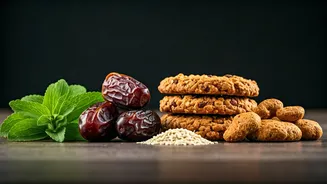
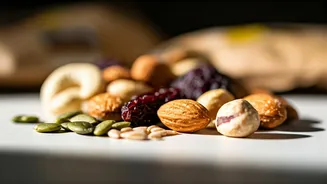
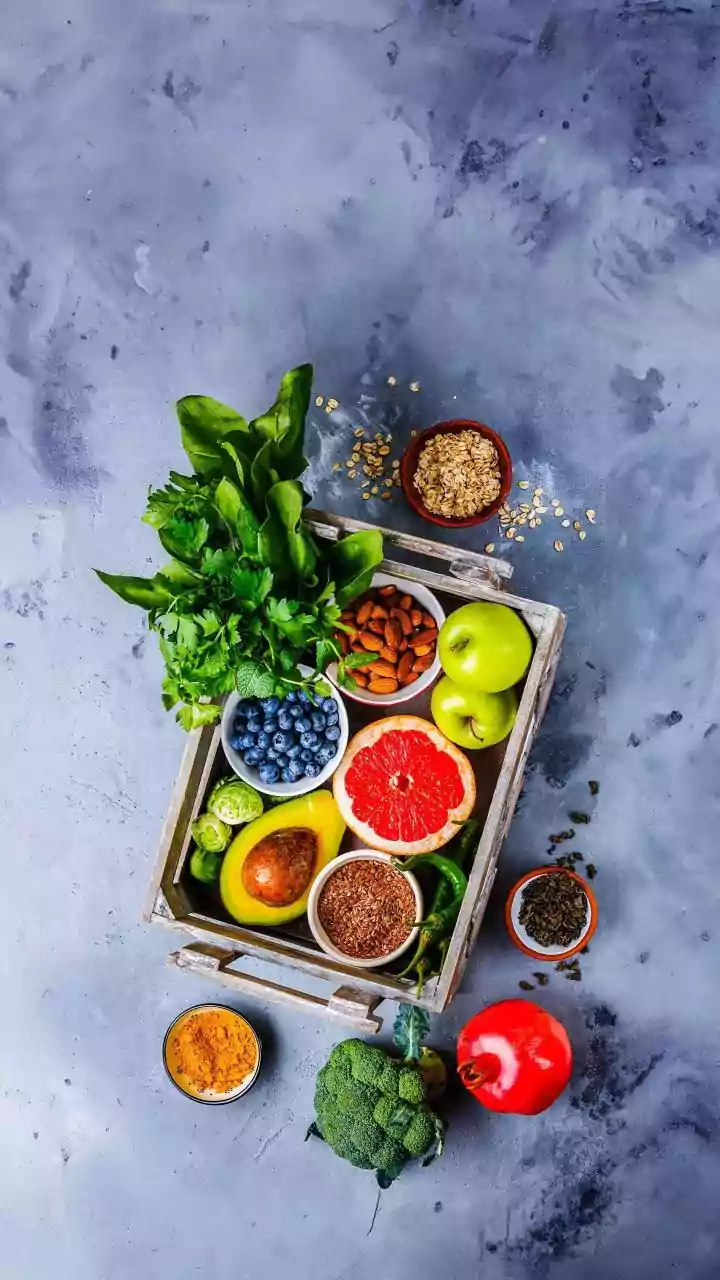
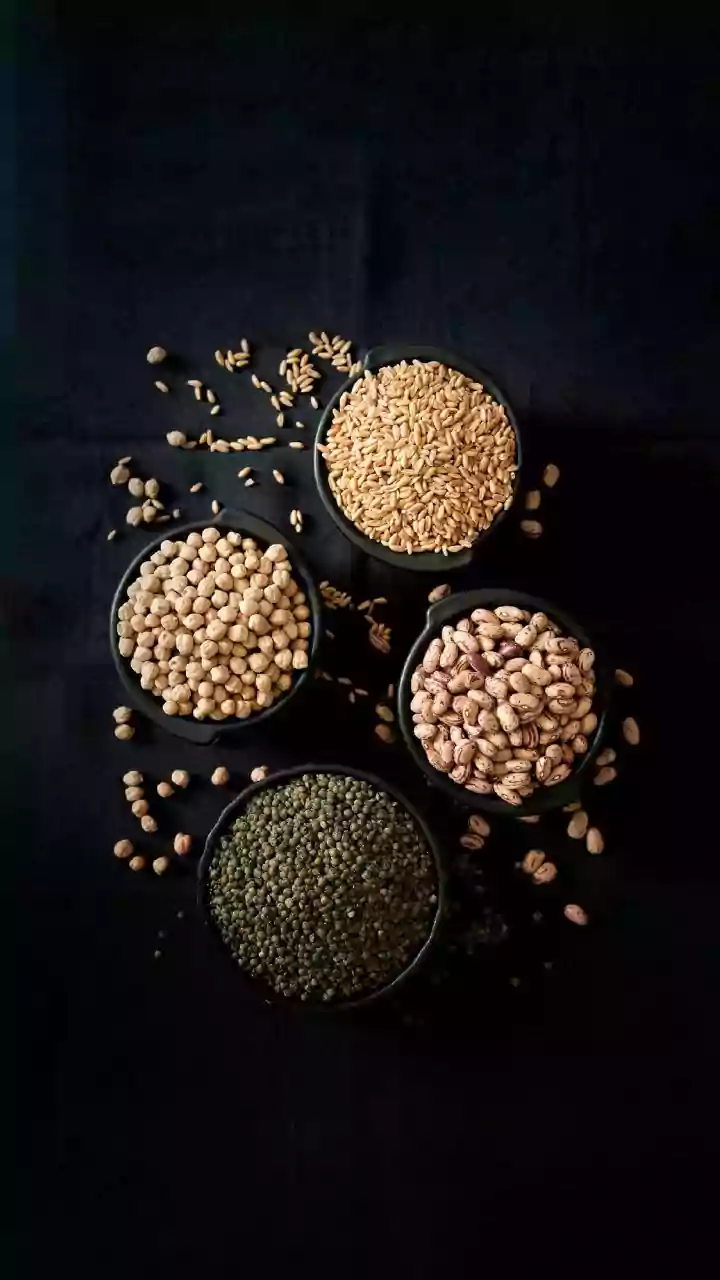
A truly healthy snack is about balance and quality. Experts suggest aiming for a combination of complex carbohydrates, protein, and healthy fats. This combination helps to stabilise blood sugar and keeps you satisfied between meals. Think of whole foods first: a piece of fruit, a handful of nuts, or a bowl of plain yogurt are excellent choices. When choosing packaged snacks, look for those made from minimally processed ingredients. Options like roasted chickpeas, makhana (fox nuts), or whole-grain crackers with hummus can be great, convenient alternatives that provide nutrients without the hidden sugars and fats found in many ultra-processed options.