


Northern India: The Purity of Sattvic Fasting
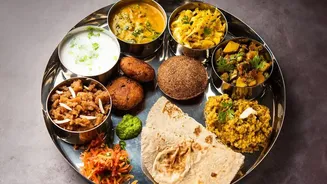
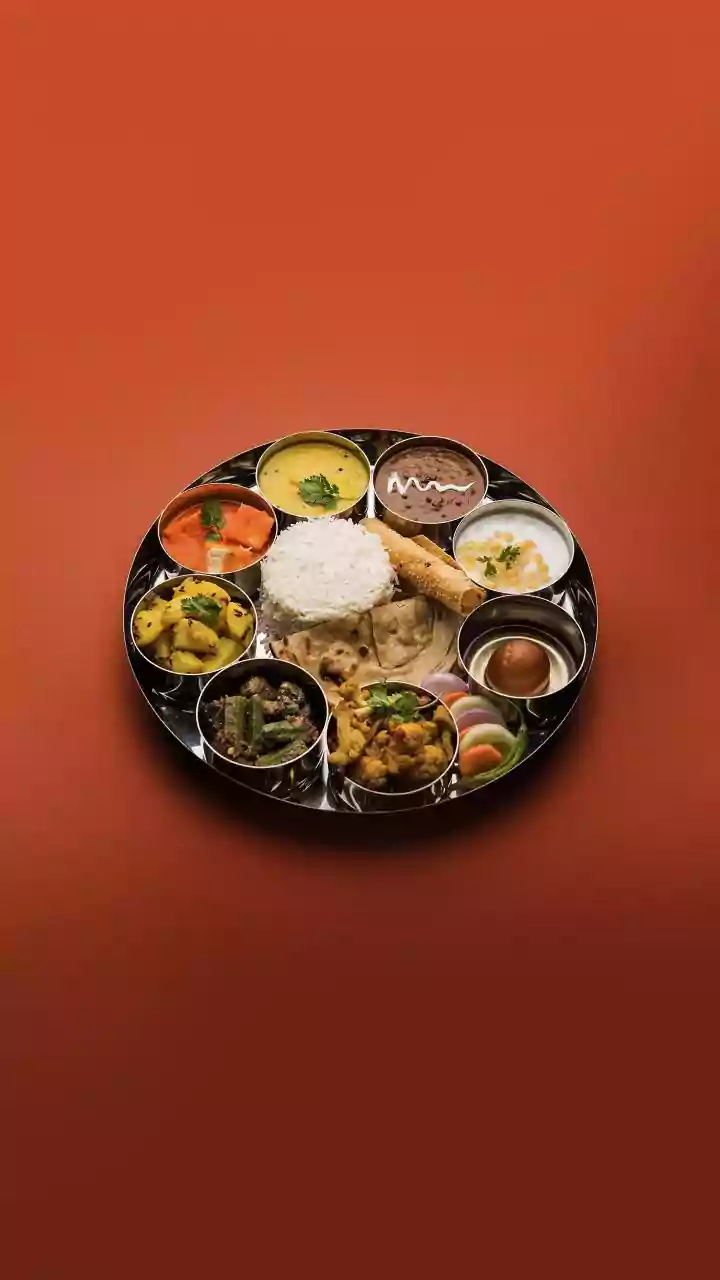
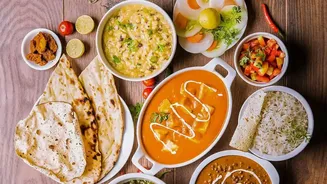
In the northern states like Punjab, Uttar Pradesh, and Rajasthan, Navratri is synonymous with 'vrat' or fasting. The guiding principle is a 'sattvic' diet, which emphasizes pure, light, and calming foods to aid spiritual cleansing. Grains like wheat and rice
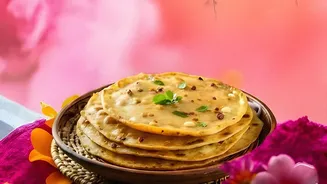
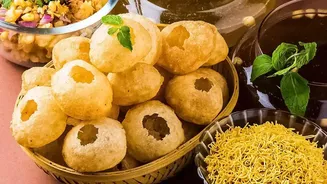
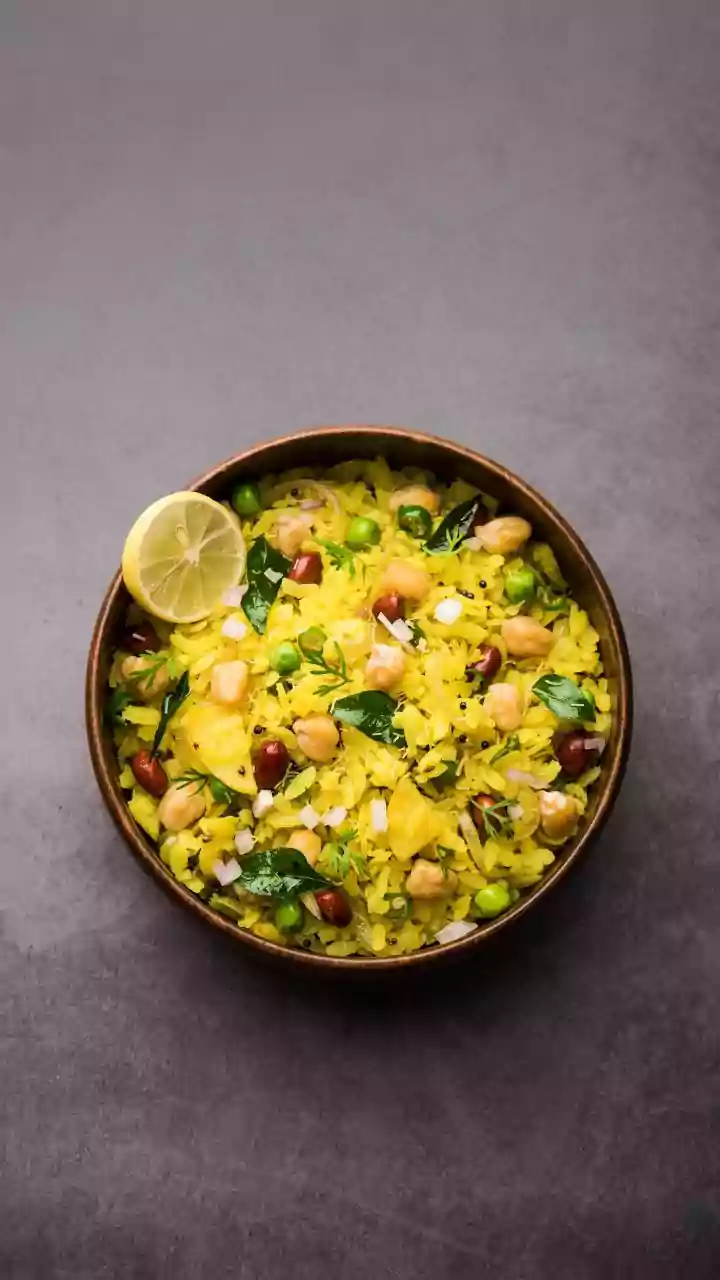
are avoided, as are onions, garlic, and most spices. Instead, kitchens embrace alternative flours such as Kuttu (buckwheat) and Singhara (water chestnut), used to make crispy puris and wholesome rotis. Rock salt, or sendha namak, replaces regular table salt. Classic dishes include Sabudana Khichdi, a comforting mix of tapioca pearls, potatoes, and peanuts, and Samvat rice khichdi, made from barnyard millet. These meals are not just about abstinence; they are designed to provide sustained energy for devotees while keeping the body light and the mind clear for prayer.
Western India: A Symphony of Savoury and Sweet
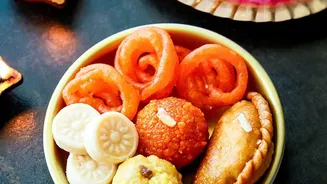
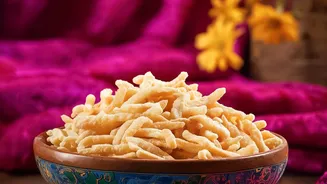
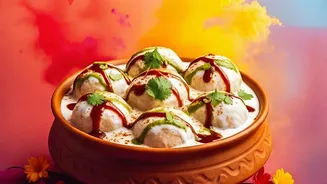
In Gujarat and Maharashtra, Navratri bursts with the energy of Garba and Dandiya, and the food reflects this joyous spirit. While fasting is also common, the 'farali' menu is extensive and flavourful. Sabudana makes a prominent appearance here too, not just in khichdi but also as Sabudana Vada, a deep-fried patty that’s crispy on the outside and soft inside. These are often paired with a creamy yogurt dip. In Gujarat, the menu might also feature snacks like Farali Pattice and sweet-and-savoury preparations that are characteristic of the region's cuisine. Maharashtrian households prepare a special flour mix called Upvas Bhajani for making savoury pancakes (thalipeeth). The food is designed to be both compliant with fasting rules and delicious enough to feel like a treat after a long night of dancing.
Eastern India: A Grand Feast for Durga Puja
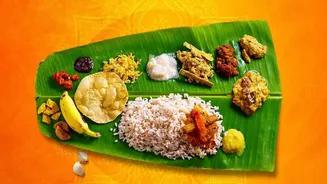
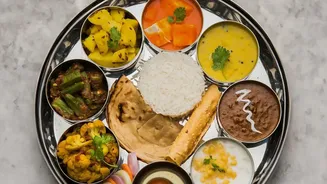
The narrative around Navratri food changes dramatically in West Bengal, where the festival is celebrated as Durga Puja. Instead of fasting, it is a time for feasting, especially from the sixth day (Shashti) onwards. The highlight is the 'Bhog,' a lavish meal offered to Goddess Durga and then distributed among devotees. The star of this feast is the Bhoger Khichuri, a fragrant one-pot dish made with roasted moong dal, Gobindobhog rice, and vegetables, distinctly flavoured with mustard oil and Bengali spices. This is typically served with 'Labra', a delectable mixed vegetable curry, along with fried items like Beguni (eggplant fritters) and a variety of sweets, most notably Mishti Doi (sweet yogurt). Here, food is an humble expression of community celebration and joyous indulgence in honour of the goddess.
Southern India: The Tradition of Sundal and Golu
In the southern states, particularly Tamil Nadu, Navratri is celebrated with the beautiful tradition of 'Golu'—an elaborate display of dolls depicting deities, saints, and scenes from daily life. Food plays a crucial role as an offering (neivedhyam) and a token of hospitality. The signature dish of this region during Navratri is 'Sundal'. It's a simple yet protein-rich snack made from different legumes or lentils, such as chickpeas, black-eyed peas, or green gram. A different variety of sundal is prepared each of the nine days, tempered with mustard seeds, curry leaves, and fresh coconut, and offered to guests who come to see the Golu. Alongside the savoury sundal, sweet dishes like Payasam (kheer) are also prepared, creating a perfect balance of flavours.