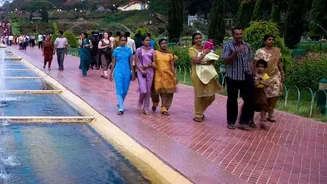







A New Pace for Urban Fitness
In cities like Bangalore, Mumbai, and Delhi, a noticeable shift is underway. Early in the mornings or after work, small groups of young professionals and students are swapping screen time for strolls through parks, lakeside promenades, and quieter neighbourhood
streets. This isn't your average solitary walk; it's a planned social activity. Platforms like Meetup and local WhatsApp groups are buzzing with invitations for 'weekend walks', 'sunrise strolls', and 'post-dinner walks', creating accessible communities around this simple habit. This trend signals a broader change in how young Indians view fitness, moving away from high-intensity, high-cost activities and towards sustainable, holistic well-being. For many, fitness is no longer a chore to be completed in a gym but a lifestyle integrated into their daily routine.
More Than Just Burning Calories
A primary driver of this trend is the search for connection in an increasingly digital and isolated world. For urban youth grappling with long work hours and the pressures of city life, these walking groups serve as a crucial 'third place'—a space for community and social interaction outside of home and work. The conversations that flow during a gentle walk can be as beneficial as the physical exercise itself, combating loneliness and fostering genuine friendships. The mental health benefits are significant. Studies have shown that walking, especially in groups, can reduce symptoms of anxiety and depression, improve mood, and boost self-esteem. It’s a form of moving meditation that offers a much-needed break from digital screens and daily stress, promoting mental clarity and emotional balance.
The Appeal of Accessibility and Safety
Unlike gym memberships, spin classes, or marathon training, walking is free, requires no special equipment, and has a low barrier to entry. This accessibility is a major draw for students and young professionals on a budget. It democratises fitness, making it available to anyone regardless of their financial status or athletic ability. Furthermore, in many Indian cities where infrastructure for pedestrians can be challenging and safety is a concern, there is a clear advantage in numbers. Walking in a group provides a sense of security, particularly for women, allowing them to reclaim public spaces and exercise outdoors with confidence. This shared sense of safety makes the activity more enjoyable and sustainable in the long run.
A Step Towards Sustainable Wellness
Experts note that consistency is more important for long-term health than occasional, intense workouts. Walking is a low-impact activity that is easy on the joints and can be done daily without risk of burnout or injury, making it a highly sustainable habit. It improves cardiovascular health, helps manage weight, and strengthens core muscles. By integrating this simple, enjoyable activity into their lives, India's urban youth are not just following a trend; they are building a foundation for lifelong health. This movement reflects a mature understanding of wellness, where physical activity is seamlessly blended with social connection and mental peace, proving that sometimes the simplest solutions are the most powerful.