

The Physics of a Small Pot
The core problem isn't the shell shape itself, but its size. Small containers hold a limited volume of soil, which means they hold less water. While a plant in the ground can send roots deep to find moisture, a container plant is entirely dependent on that
small reservoir. Once the roots fill the pot, they can drink the available water very quickly, especially on a hot day. An already limited water supply combined with heat and wind creates a perfect storm for dehydration.
How Pot Material Influences Heat
The material of your pot dramatically affects how it handles heat. Dark-coloured pots absorb more sunlight, baking the soil and stressing the roots. Thin plastic can heat up quickly, while porous materials like unglazed terracotta can wick moisture away from the soil through their walls. Shell pots, whether made of actual shell or, more commonly, ceramic or resin, have their own properties. A glazed ceramic shell pot will hold water better than terracotta but can still get hot. Resin and plastic versions are lightweight but can also heat up fast, especially if they are a dark colour.
Smart Watering Is Your First Defence
Given the small soil volume, frequent and effective watering is crucial. The best time to water is early in the morning before temperatures rise, which allows the plant to absorb moisture before the sun can evaporate it. On very hot days, a second watering in the late afternoon might be necessary. Instead of a rigid schedule, check the soil daily. A simple finger test works well: if the soil is dry an inch or two down, it's time to water. When you do water, do it thoroughly until you see it run out of the drainage hole to ensure the entire root ball is saturated.
Choose Plants That Tolerate the Conditions
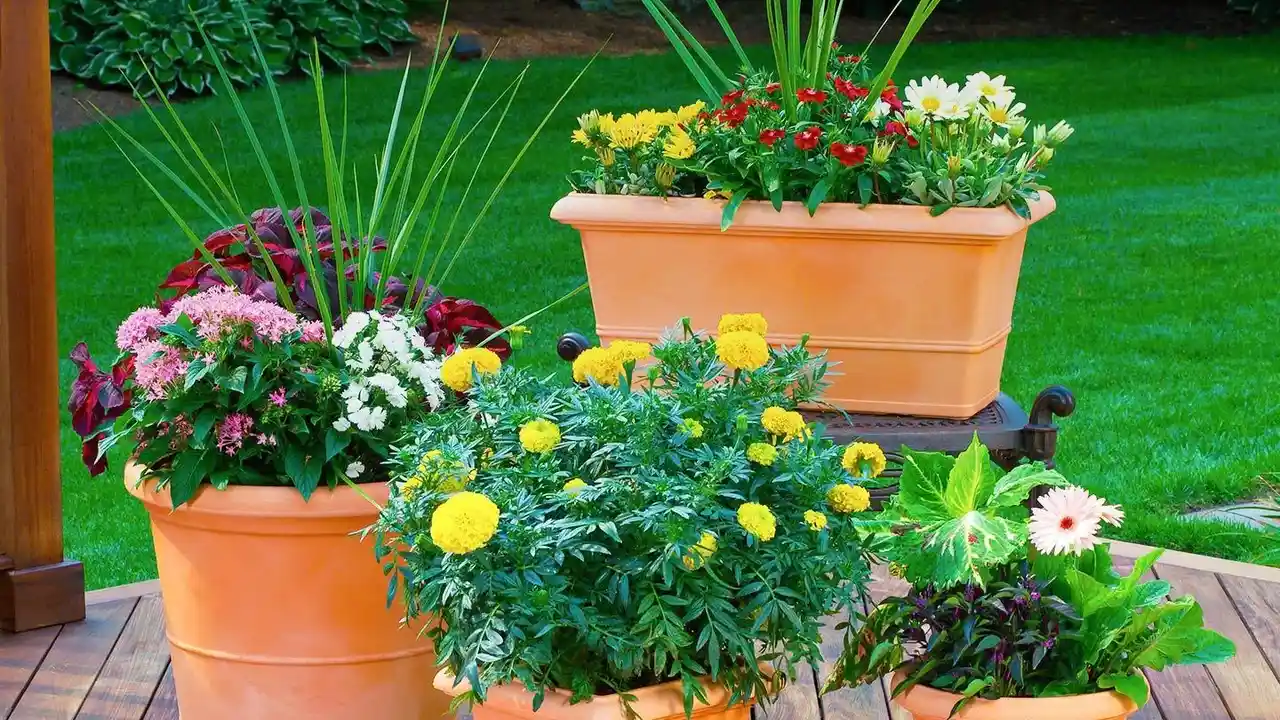
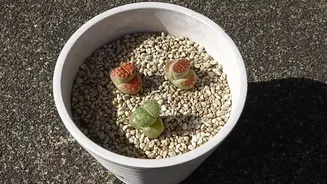
Setting yourself up for success means choosing plants that are naturally suited to drier, hotter conditions. Drought-tolerant plants are an excellent choice for small, sunny containers. Succulents like Sempervivum (houseleeks), Echeveria, and Sedum are famously resilient and store water in their leaves. Many herbs, particularly those of Mediterranean origin like rosemary and lavender, thrive in the sun and don't mind drying out a bit between waterings. For flowers, consider tough bloomers like geraniums, marigolds, and salvia that can handle the heat.
Simple Tricks to Keep Roots Cool
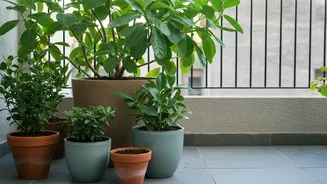
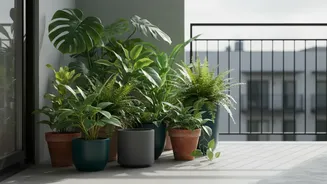
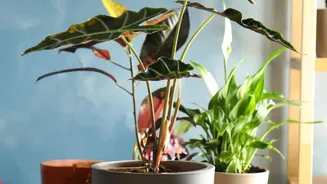
Beyond watering and plant choice, you can alter the pot's environment to reduce stress. One of the most effective strategies is placement. Position your shell pot where it will receive gentle morning sun but be shielded from the intense heat of the afternoon. You can also group several pots together. This creates a more humid microclimate around the plants, which slows down moisture loss from the leaves. Applying a layer of mulch—like shredded bark or even soaked moss—on top of the soil can dramatically slow evaporation and insulate the roots from the sun's direct rays.