




The photo is perfect, but the memory is a blur of stress. This is the paradox of modern travel: a frantic rush through 'must-see' spots. It's time to trade the timed ticket and crowded queue for the quiet magic of a forest trail.
The Problem with 'Perfect' Places
We've all felt the pressure.
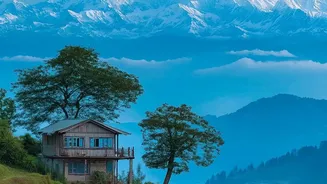
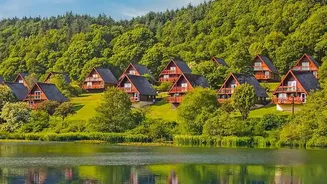
You have a 90-minute slot to see a waterfall, a specific time to enter a famous viewpoint, or a designated path you must follow with hundreds of other people. These systems, often born of necessity to manage overwhelming crowds, can turn a potential moment of awe into a logistical exercise. Instead of connecting with nature, you're checking your watch, navigating selfie sticks, and being herded along by staff. The experience becomes less about the place itself and more about the process of seeing it. You leave with a photo for social media but lack the genuine sense of peace and restoration that nature is supposed to provide. This is the signature of the overhyped destination: high expectations met with the disappointing reality of a manufactured, impersonal encounter.
The Joy of an Unscripted Journey
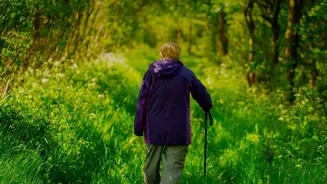
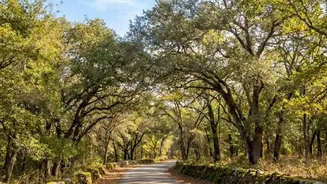
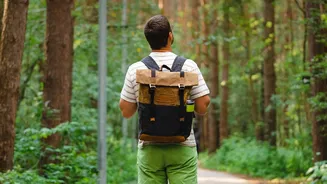
Now, imagine the alternative. A quiet forest trail, perhaps just a short drive from the city. There is no entry gate, no time limit, and no prescribed route. Your only guide is your own curiosity. The goal is not to 'conquer' a viewpoint but to simply be present. You can stop to admire the way sunlight filters through the canopy, listen to the orchestra of bird calls, or notice the intricate patterns on a fallen leaf. This practice, inspired by the Japanese concept of 'shinrin-yoku' or forest bathing, is backed by science. Studies show that spending unstructured time in a natural environment can significantly lower stress hormones, reduce blood pressure, and improve your mood and focus. It replaces the anxiety of a schedule with a feeling of profound calm and connection.
Finding Your Own Green Sanctuary
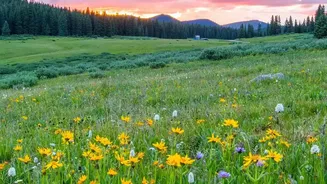
The beauty of a self-guided walk is that it doesn't require a trip to a world-famous national park. In fact, it's often better if it isn't. The best spots are the ones that aren't plastered all over travel blogs. Start by exploring local and state parks, reserve forests, or even large city parks with wooded areas that are often overlooked. Use trail apps that show lesser-known paths, or simply look at a map for green spaces near you. Ask friends who hike for their favourite quiet spots. The key is to shift your mindset from seeking a famous name to seeking an experience. A small, unassuming patch of woods can offer more tranquility and genuine discovery than a world-renowned but overcrowded landmark.
Shifting from Tourist to Explorer
Embracing self-guided walks requires a fundamental shift in how we approach travel. It means letting go of the checklist mentality—the need to tick off a list of famous sights. It asks you to value the quality of your experience over the quantity of attractions you visit. Instead of asking 'What did I see?', the question becomes 'How did I feel?'. This approach encourages you to engage all your senses. You are no longer a passive spectator being moved through a set; you are an active participant in your environment. You are an explorer charting your own small course, paying attention to the details that mass tourism forces you to ignore. This mindful engagement is where the real magic happens, creating memories that are deeply personal and far more lasting than a fleeting, crowded photo opportunity.