



Understanding Nasal Congestion
Contrary to popular belief, a stuffy nose isn't just about excess mucus. The discomfort primarily comes from inflamed and swollen blood vessels in your nasal passages. Irritants like viruses, allergens, or smoke trigger this inflammation, narrowing the
airways and trapping mucus, which makes breathing difficult. Most cases are caused by minor illnesses like the common cold or flu and tend to resolve within a week or two.
Hydration: The First Line of Defense
One of the simplest and most effective strategies for easing congestion is to stay well-hydrated. Drinking plenty of fluids, especially warm ones like tea or broth, helps thin the mucus in your nasal passages. When mucus is thinner, it's easier for your sinuses to drain, which can relieve pressure and reduce that stuffy feeling. While it might not feel like a powerful remedy, proper hydration is a foundational step that supports all other efforts to find relief.
The Soothing Power of Steam and Humidity
Moist air is your friend when dealing with congestion. Inhaling steam can soothe irritated nasal tissues and help loosen thick mucus. A hot shower is one of the easiest ways to achieve this. Alternatively, you can lean over a bowl of hot water with a towel draped over your head to trap the steam. Using a cool-mist humidifier or vaporizer in your room, especially while you sleep, can also help by keeping the air moist, which reduces swelling in the nose. Just be sure to keep the unit clean to prevent bacteria growth.
Saline Rinses and Sprays
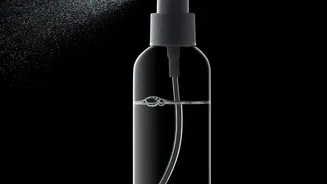
Using a saline (salt water) solution is a safe and effective way to flush out mucus and allergens from your nasal passages. You can use a gentle saline nasal spray, a squeeze bottle, or a neti pot. This process, known as nasal irrigation, helps reduce inflammation and clears blockages so you can breathe more freely. It is crucial to use only distilled, sterile, or previously boiled water to avoid introducing harmful bacteria into your sinuses. These rinses can be used daily when symptoms are present.
Simple Comfort Measures
A few small adjustments can make a big difference. Applying a warm, moist washcloth to your face can help ease sinus pressure and provide temporary comfort. When it's time to sleep, try elevating your head with an extra pillow. Lying flat can often make congestion feel worse, while a more upright position helps promote drainage.
A Cautious Approach to Decongestants
Over-the-counter decongestant nasal sprays can offer fast, temporary relief by shrinking swollen blood vessels. However, they should be used with caution. Using these sprays for more than three to five consecutive days can lead to a phenomenon called rebound congestion, where your nasal passages become more swollen once the medication wears off, creating a cycle of dependency. If you choose to use one, follow the package directions precisely and for the shortest duration possible.
When to Consult a Doctor
While most nasal congestion can be managed at home, it's important to know when to seek medical advice. You should see a doctor if your symptoms persist for more than 10 days, are accompanied by a high fever, or if you have thick, yellow or green nasal discharge along with severe facial pain or pressure. These could be signs of a bacterial infection that requires medical treatment. If congestion makes it difficult for a baby to nurse or breathe, seek care immediately.