






What is the 'Crackdown' All About?
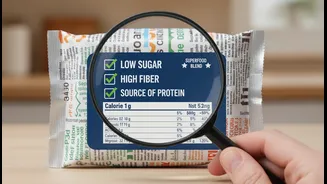
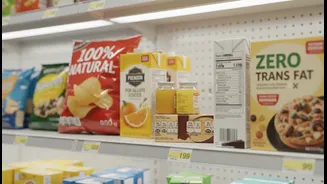
The term 'crackdown' refers to FSSAI's recent, intensified actions against companies using misleading labels. In early July 2026, the food authority issued show-cause notices to several well-known companies for questionable front-of-pack claims. Examples
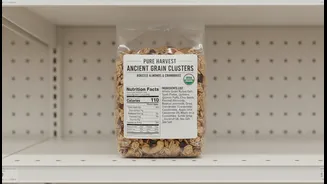
included a cream bun marketed as "100% Natural" despite containing preservatives, a "Premium Chocolate" made with vegetable fat instead of cocoa butter, and fruit-flavoured candies with no actual fruit. These actions are part of a broader push for transparency and accuracy, forcing brands to ensure that what's on the front of the box matches what's on the back. Consumers are being urged by experts to read the full ingredient list, not just the marketing claims.
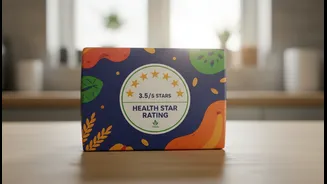
Introducing the Health Star Rating
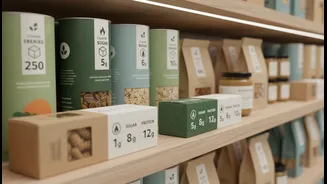
The most significant change for consumers is the introduction of a Front-of-Pack Labelling (FoPL) system called the Health Star Rating (HSR). This system, which has been in the works for several years, rates packaged foods on a scale from half a star to five stars. The rating is based on the product's overall nutritional profile, specifically its content of salt, sugar, and saturated fat, calculated per 100 grams or 100 ml. More stars indicate a healthier product, designed to give shoppers a quick, at-a-glance understanding of a food's nutritional value without having to decode a complex ingredient panel. The goal is to nudge consumers towards making healthier choices and to encourage manufacturers to reformulate their products to be healthier.
Why is This Happening Now?
This regulatory push is a direct response to a growing public health crisis in India. The country has seen a dramatic rise in non-communicable diseases (NCDs) like obesity, diabetes, and hypertension, which are strongly linked to diets high in processed foods. Studies show that NCDs are responsible for over 60% of all deaths in India. While India has had back-of-pack nutrition information for years, global evidence and a large-scale survey by IIM-Ahmedabad suggest that front-of-pack labels are far more effective at influencing consumer behaviour. The Supreme Court has also intervened, pushing for faster implementation to empower consumers and improve public health.
How to Use the New Labels at the Supermarket
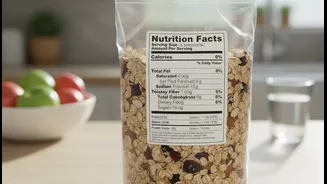
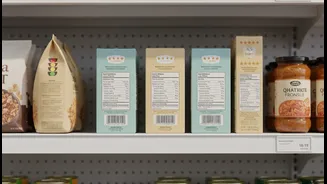
When you see the new star ratings, the message is simple: 'go for more stars'. A product with more stars is, in general, a healthier choice within its category compared to one with fewer stars. However, this doesn't mean a 5-star snack food is healthier than fresh fruit and vegetables. The system is best used for comparing similar products, for instance, choosing between two brands of biscuits or breakfast cereals. It’s also crucial to remember that the star rating is a summary. For those with specific health concerns, like diabetes or high blood pressure, it's still vital to read the full nutritional panel on the back to check specific amounts of sugar, sodium, and fat.
What Foods Will Be Most Affected?
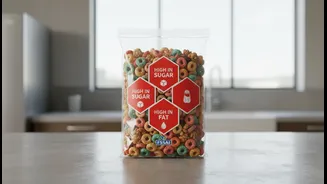
Consumers can expect to see the biggest impact on the labels of ultra-processed foods. This includes items typically high in fat, sugar, and salt, such as instant noodles, chips and other savoury snacks, cookies and biscuits, and sugary drinks. Many of these products are likely to receive low Health Star Ratings. The regulations also come with stricter rules about using terms like "health drink," which is now banned for beverages, and other unsupported claims like "natural" or "fresh". Conversely, some products, such as certain dairy items, have been exempted from the FoPL requirements for now.