

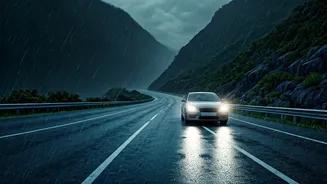


The Double Danger of Rain and Night
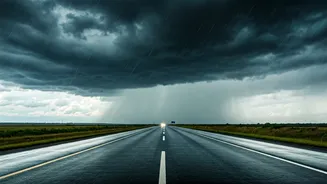
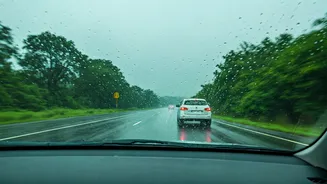
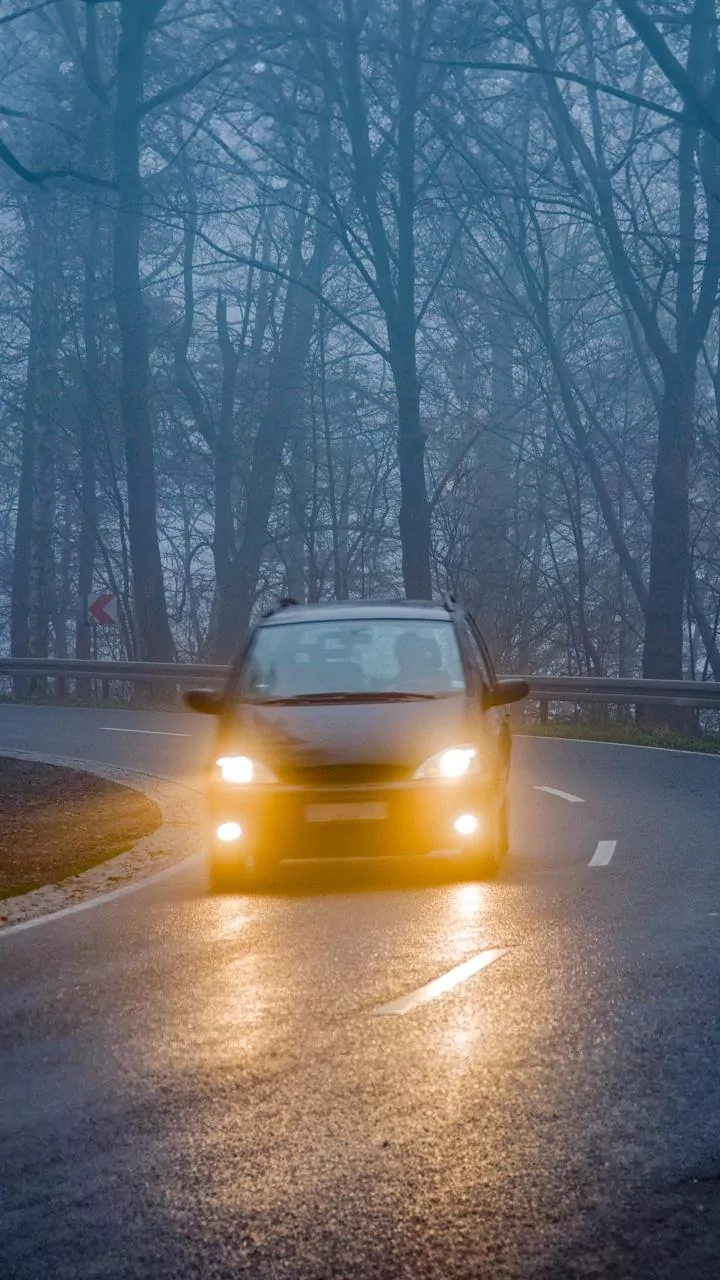
Driving in heavy rain is challenging enough. It reduces visibility, increases braking distances, and makes road markings disappear. At night, these problems are compounded. A driver's vision is already limited to the reach of their headlights, which is about
250 feet on a normal setting. Rain scatters this light, creating glare and further obscuring your view of the road, pedestrians, and potential hazards. This combination drastically reduces reaction times and makes it harder to judge speed and distance, turning a routine drive into a high-risk situation.
Before You Turn the Key: Vehicle Prep
Your first line of defence is a well-maintained vehicle. Before the monsoon gets into full swing, conduct a thorough check. Tyres are critical; ensure they have adequate tread depth (at least 2-3 mm) to channel water away and prevent skidding. Worn tyres are a primary cause of aquaplaning. Also, check that your brakes are in top condition, as stopping distances can double or even triple on wet roads. Finally, test all your lights—headlights, taillights, and indicators—and replace worn wiper blades to ensure you can see and be seen. A clean windshield, inside and out, also helps prevent fogging and improves visibility.
Mastering Wet and Dark Roads
The single most important adjustment is to slow down. Reducing your speed gives you more time to react and significantly lowers the risk of hydroplaning. Maintain at least double the usual following distance from the vehicle ahead. Use your low-beam headlights, even during the day, to improve your visibility to others, but avoid high beams in heavy rain as they reflect off the water droplets and can blind oncoming drivers. Be gentle and smooth with your steering, acceleration, and braking. Sudden manoeuvres can easily lead to a loss of traction on slick surfaces. Be especially cautious on concrete roads, flyovers, and painted road markings like zebra crossings, which can become extremely slippery.
The Invisible Threat: Hydroplaning
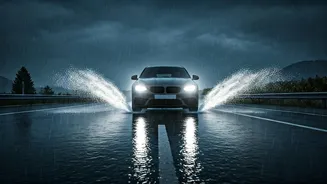
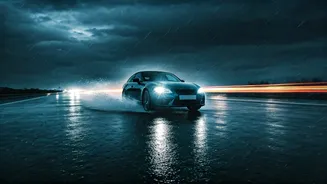
Hydroplaning happens when a layer of water builds up between your tyres and the road surface, causing a complete loss of traction. It feels as if you're floating, and you can't steer or brake. It often occurs at higher speeds or when driving through standing water. If it happens, do not panic and do not slam on the brakes. Instead, calmly ease your foot off the accelerator. Gently steer in the direction you want the car to go and wait for the tyres to regain contact with the road. The best way to deal with hydroplaning is to prevent it by slowing down and ensuring your tyres are properly inflated and have deep treads.
Navigating India's Unique Monsoon Challenges
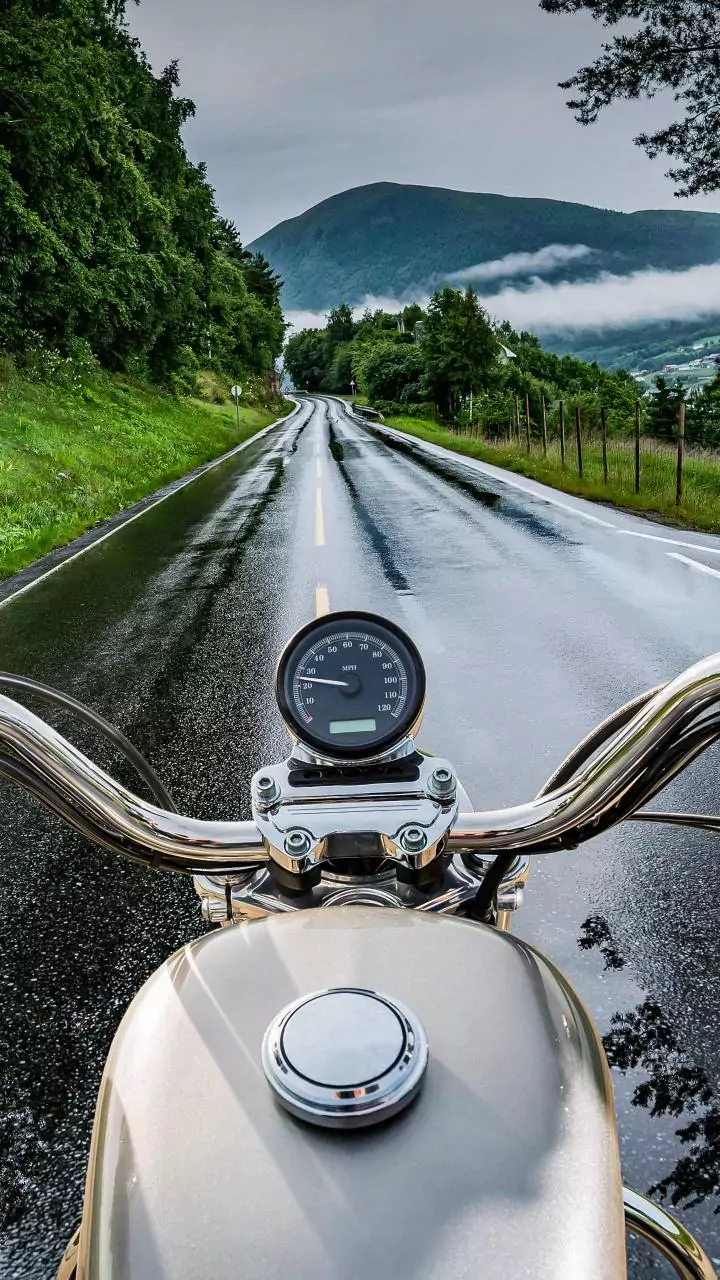
Indian roads present specific monsoon hazards. Potholes and open manholes, often invisible under waterlogged streets, can cause severe damage to your vehicle or lead to an accident. It's best to avoid driving through large puddles if you cannot gauge their depth. If you must pass through a waterlogged area, drive slowly and steadily in a low gear. If your car stalls in deep water, do not try to restart the engine, as this can cause a 'hydrostatic lock' and lead to permanent engine damage. Also, be extra considerate of two-wheeler riders and pedestrians, who are more vulnerable and harder to spot in the rain.