




Redefining the 'Healthy Home'
For decades, the ideal home has been framed by its interior assets: the state-of-the-art kitchen, the spa-like bathroom, the spacious living area. While these elements contribute to comfort, a truly healthy home does more than shelter us. It should actively
encourage a lifestyle of routine movement, which often means pushing us gently out the front door. The environment surrounding your home—its walkability, access to green spaces, and community hubs—plays a powerful role in your daily activity levels and overall well-being. Thinking of your home not as a final destination but as a starting point for daily exploration is a fundamental shift that can have profound health benefits.
The Underrated Power of Walkability
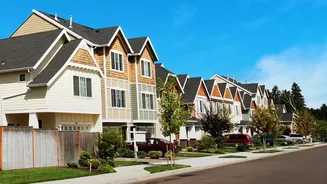
Walkability is a simple concept: it’s the ease with which you can accomplish daily tasks on foot. When grocery stores, cafes, parks, and public transport are a short walk away, movement becomes a natural part of your routine rather than a scheduled activity. Studies have shown that residents of highly walkable neighbourhoods are more likely to meet recommended physical activity levels. For many urban Indians, this is not a new concept, as cities like Delhi and Kolkata have long had areas with mixed commercial and residential spaces. The key benefit is 'health without effort'. A short walk to buy vegetables or an evening stroll to a nearby park seamlessly integrates physical activity into your day, improving both physical and mental health without requiring intense discipline. Research shows that people are more physically active in the areas right around their homes compared to staying indoors.
Designing for an Indoor-Outdoor Flow
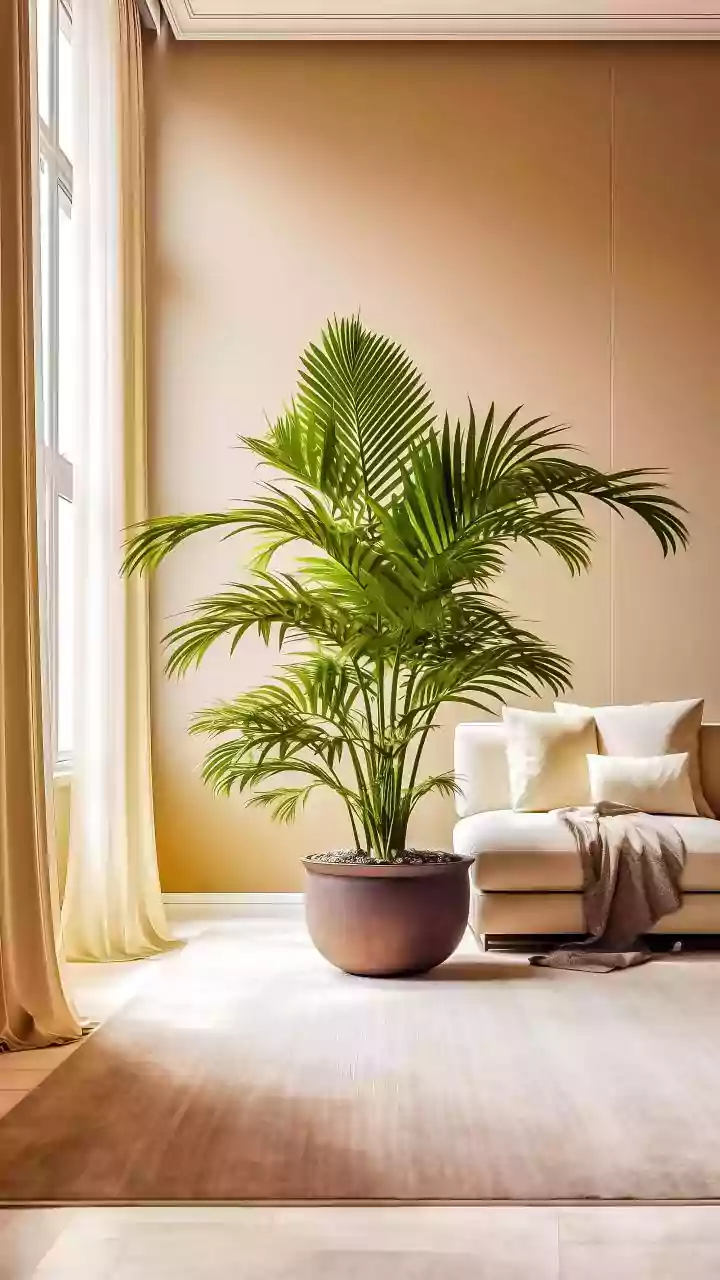
Beyond the neighbourhood, the design of your home itself can either create barriers or invitations to the outdoors. This is where principles of 'biophilic design'—the practice of connecting people with nature in built environments—become crucial. This doesn't necessarily mean you need a massive garden. Simple features like large windows with views of greenery, a small but accessible balcony or patio, or even an entryway designed to easily store shoes and outdoor gear can reduce the friction of stepping outside. The goal is to make the transition from indoor comfort to outdoor activity as seamless as possible. Incorporating natural materials, shapes, and patterns inside the home can also subconsciously strengthen our connection to the natural world.
Finding Your 'Third Place'
Sociologist Ray Oldenburg coined the term 'third place' to describe the crucial social environments outside of our home (the 'first place') and our work (the 'second place'). These are the cafes, parks, libraries, and community centres where we can relax, socialise, and build relationships. A healthy home is ideally located within easy reach of such places. Third places are vital for combating the loneliness and isolation that have become more pronounced in modern life. They foster a sense of community, break down social barriers, and provide a low-pressure environment to simply exist alongside others. Access to these spaces encourages us to get out and move, often leading to spontaneous social interactions and a stronger sense of belonging.
Making It Work Where You Are
Whether you are looking to move or want to make the most of your current residence, you can actively cultivate a lifestyle of movement. If you're house-hunting, look beyond the property line. Explore the neighbourhood on foot at different times of day. Are the footpaths well-maintained? Are there green spaces nearby? Studies consistently link residential green space to better health outcomes, including reduced stress and lower mortality. If you are staying put, identify the walkable destinations you may have overlooked. Perhaps there’s a park a 15-minute walk away or a local shop you could visit on foot instead of by car. Creating new routines, like a daily walk to a nearby 'third place', can help you rediscover your environment and unlock the hidden health potential of your home’s location.