







Which States Are on High Alert?
An active monsoon spell is set to continue across northwest India. The IMD has issued warnings for Jammu and Kashmir, Himachal Pradesh, Uttarakhand, Punjab, Haryana, Chandigarh, and Delhi. Widespread rainfall is expected to continue until at least mid-July
in these regions. The hilly states of Himachal Pradesh and Uttarakhand are particularly vulnerable, with forecasts predicting fairly widespread to widespread rainfall from July 11 to 16. For the plains, isolated heavy showers are expected in Punjab, Haryana, Chandigarh, and Delhi between July 11 and 13. East Uttar Pradesh is also expected to receive heavy rainfall.
Understanding the Intensity
The IMD uses a colour-coded system to denote the intensity of weather warnings. While the specific alerts can vary by district, residents in the affected states should be prepared for conditions ranging from isolated showers to heavy and very heavy rainfall. For example, some areas in Himachal Pradesh and Uttarakhand are under alert for very heavy rainfall, which increases the risk of associated hazards. In the plains, the primary concern is heavy showers leading to urban challenges. These alerts are dynamic, so it is crucial to follow the latest bulletins from the IMD for your specific location.
Potential Impact on Daily Life
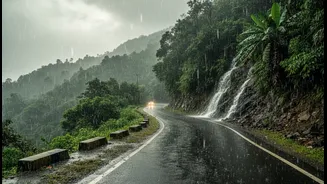
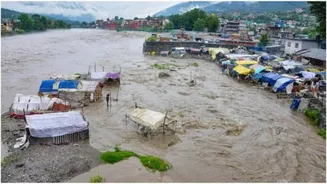
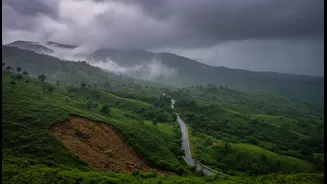
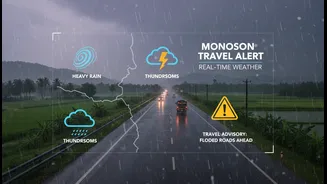
Heavy rainfall often brings significant disruption to daily life. In urban centres like Delhi, Chandigarh, and cities across Punjab and Haryana, waterlogging in low-lying areas and traffic congestion are common concerns. In the mountainous terrain of Himachal Pradesh and Uttarakhand, the risks are more severe, including landslides, flash floods, and road blockages. Several roads, including national highways, have already been affected by landslides in Uttarakhand. Authorities have advised travellers, especially pilgrims on the Char Dham Yatra routes, to exercise extreme caution and check road conditions before starting their journey.
Essential Safety Precautions
During heavy rainfall, safety should be the top priority. Avoid travelling unless absolutely necessary. Do not walk or drive through flooded areas, as even shallow moving water can be dangerous. Stay away from downed power lines and avoid sheltering under isolated trees during thunderstorms. In urban areas, check that storm drains near your home are not clogged with debris. Prepare an emergency kit with essentials like a flashlight, first aid supplies, and clean drinking water. For those in hilly regions, be aware of your surroundings and be prepared to move to higher ground if local authorities issue an evacuation notice.
What to Expect Next
The current monsoon spell is expected to remain active over northwest India for the next few days, with rainfall likely to continue in many states until July 16 or 17. While rainfall might ease in some areas like Jammu and Kashmir after July 12, it is expected to persist in Himachal Pradesh and Uttarakhand. The IMD continues to monitor the situation closely and will issue updated forecasts. Residents are strongly advised to keep up with the latest weather bulletins from official sources to stay informed about the evolving conditions in their locality and plan their activities accordingly.