
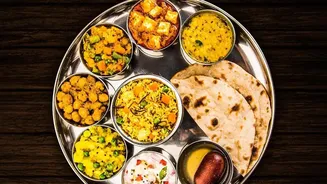

Sabudana: The Fasting Staple
No Sawan fast feels complete without Sabudana, or tapioca pearls. This versatile ingredient is a powerhouse of carbohydrates, providing a quick and efficient energy boost that is perfect for fasting days when energy levels might dip. Because it is a pure
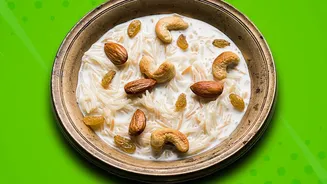
source of starch and easy to digest, it's gentle on the stomach, making it ideal for meals after long hours of fasting. While sabudana khichdi, tossed with peanuts and potatoes, is a classic, you can also enjoy it as a creamy kheer or a crispy vada. To make it more nutritious, combine it with other ingredients like peanuts and vegetables.
Vrat Flours for Sustained Energy
Since regular wheat flour is avoided, vrat-friendly flours like Kuttu (buckwheat), Singhara (water chestnut), and Rajgira (amaranth) are excellent alternatives. These flours are not only permitted during fasting but are also packed with nutrients. Rajgira, for instance, is naturally gluten-free and contains more protein than many other grains, offering sustained energy. Kuttu is another great source of energy. You can use these flours to make pooris, parathas, cheelas, or pakoras to accompany your sabzis.
Dairy for Protein and Fullness
Milk and dairy products hold special significance during Sawan and are a crucial part of the fasting diet. Items like paneer, curd (yogurt), and buttermilk are encouraged. Paneer is one of the best vegetarian protein sources, helping you stay full and preventing the muscle weakness that can sometimes accompany fasting. A bowl of curd or a glass of lassi can be refreshing and aids digestion, while grilled paneer or paneer cubes added to a fruit salad can make for a substantial, energy-giving meal.
Fruits for Natural Sugars and Hydration
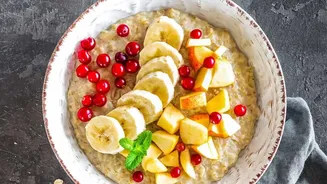
Fruits are one of the best things to consume during a fast. They are light, hydrating, and provide a natural source of sugar for an instant energy lift. Bananas, apples, papayas, and pomegranates are popular choices. A simple fruit chaat, perhaps sprinkled with rock salt (sendha namak) and roasted cumin powder, can be a refreshing and revitalizing meal or snack. Staying hydrated is crucial, and fruits contribute significantly to your fluid intake.
Potatoes and Sweet Potatoes
Potatoes and sweet potatoes are staple vegetables during Sawan fasting for a good reason. They are filling, versatile, and a good source of complex carbohydrates, which release energy slowly and keep you feeling full for longer. You can prepare a simple jeera aloo sabzi using sendha namak, have boiled sweet potato chaat, or add potatoes to your sabudana khichdi. These root vegetables form the base of many satisfying vrat meals.
Nuts and Makhana for Healthy Snacking
When hunger pangs strike between meals, nuts and makhana (fox nuts) are your best friends. A handful of almonds, walnuts, and cashews provides healthy fats, protein, and sustained energy. Roasted makhana is a fantastic fasting snack; it's light, crunchy, and rich in nutrients like calcium and protein. You can roast them in a little ghee and sprinkle with rock salt for a simple, satisfying, and energy-boosting snack that won't weigh you down.
Samak Ke Chawal (Barnyard Millet)
For those who miss rice during their fast, Samak ke Chawal, or barnyard millet, is the perfect substitute. It can be cooked into a savory pulao with vegetables and peanuts or prepared as a sweet kheer. This millet is light on the stomach, easy to digest, and provides the comforting feeling of a grain-based meal while adhering to fasting rules. It's a great way to create a fulfilling main course that provides steady energy.