





Start With a Thorough Cleanup
The monsoon often leaves a mess of fallen leaves, broken stems, and general debris. This clutter not only looks untidy but can also harbour pests and fungal diseases. Begin by clearing out all dead and decaying organic matter from your pots and around
the balcony floor. Pay close attention to the base of your plants and any corners where leaves might have collected. Wiping down the leaves of your plants can also help remove any dust or grime, allowing them to breathe and photosynthesise more efficiently. Disinfect your gardening tools before and after this process to prevent the spread of any pathogens.
Prune for Healthy Growth
After a season of rapid, rain-fuelled growth, many plants will look leggy and overgrown. The post-monsoon season, or autumn, is the perfect time for strategic pruning. Trim away any dead, damaged, or diseased branches to improve air circulation and shape your plants. For flowering plants like hibiscus or jasmine, this encourages new, healthier blooms. Don't be too aggressive, especially with spring-flowering varieties, but removing spent flowers and weak stems will redirect the plant's energy into stronger growth. This simple step helps create a fuller, more compact plant that is better prepared for the coming winter.
Revitalise the Soil
Heavy rains can do a number on your potting soil. They often wash away essential nutrients and compact the soil, which can suffocate plant roots. Now is the time to rejuvenate it. Gently loosen the top layer of soil with a small fork to improve aeration. This is also the ideal moment to replenish lost nutrients. Add a layer of organic matter like well-rotted manure, vermicompost, or compost to your pots. These organic options release nutrients slowly and improve soil structure. If your soil feels heavy and waterlogged, mixing in some sand or cocopeat can help improve drainage.
Adjust Your Watering Schedule
With the monsoon over, you can no longer rely on the rain to water your plants. However, the weather is also cooler, meaning less evaporation. This is where many gardeners go wrong. Do not revert to a summer watering schedule. Overwatering is a major risk as the season changes. The best method is to check the soil manually. Water your plants only when the top inch or two of soil feels dry to the touch. When you do water, do it deeply until water runs out of the drainage holes, but do it less frequently. Morning is the best time to water, as it allows excess moisture on the leaves to evaporate during the day, reducing the risk of fungal growth.
Manage Pests and Diseases
The shift in humidity and temperature can trigger a new wave of pests and diseases. Pests like aphids, whiteflies, and mealybugs may become more active. Fungal issues like powdery mildew and rust are also common in the cooler, sometimes-damp conditions of autumn. Regularly inspect your plants, paying close attention to the undersides of leaves, for any signs of trouble. A preventative weekly spray of neem oil solution can be an effective organic deterrent. If you spot any diseased leaves, remove them immediately to stop the problem from spreading. Good air circulation, achieved through proper spacing and pruning, is one of the best defences against fungal diseases.
Prepare for Winter Blooms
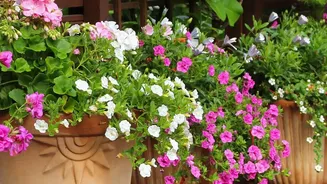
The post-monsoon season is the perfect time to introduce cool-season flowering plants to your balcony. This is your window to clear out any summer annuals that have completed their life cycle and make space for winter favourites. Consider sowing seeds or buying saplings of plants like petunias, pansies, calendula, and chrysanthemums, which thrive in India's mild winters. This is also the last chance to give your existing plants a dose of phosphorus-rich fertilizer to encourage root development and flowering before they enter a slower growth period in peak winter.