



Why Your Cutting Technique Matters
When you cut a vegetable, you expose its surfaces to oxygen, which begins a process of oxidation and moisture loss. This is why a whole carrot lasts longer than a bag of pre-shredded ones. Different cuts create different amounts of surface area. A fine
dice will degrade faster than a large chunk. The goal of meal prep is to do the work upfront without sacrificing the texture and flavour of your vegetables by midweek. A sharp knife is crucial; a dull one can bruise vegetables, releasing more moisture and accelerating spoilage. Uniform cuts also ensure that your vegetables cook evenly, whether you're roasting, sautéing, or adding them to a curry.
Hard and Root Vegetables: The Meal-Prep Staples
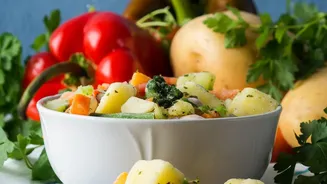
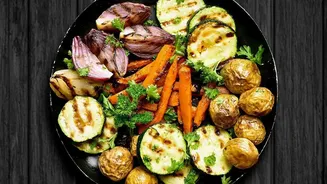
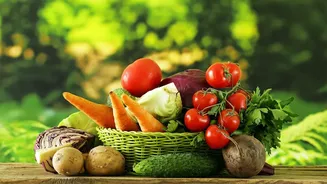
Root vegetables like carrots, potatoes, beets, and sweet potatoes are ideal for meal prepping because of their sturdy nature. For dishes like roasts or stews, larger, inch-sized cubes are perfect. They hold their shape well and have less exposed surface area, meaning they'll store better. For snacking, carrot and celery sticks can be stored submerged in a container of water in the fridge, which keeps them exceptionally crisp. For a base for curries or stir-fries, dicing onions, carrots, and celery (a mirepoix) is a huge time-saver. Store this mix in an airtight container for up to five days. For potatoes and sweet potatoes, cut them into your desired shape and store them in a covered container of water to prevent browning, though they are best used within 3-4 days.
Cruciferous Vegetables: Broccoli, Cauliflower, and Cabbage
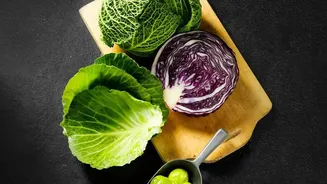
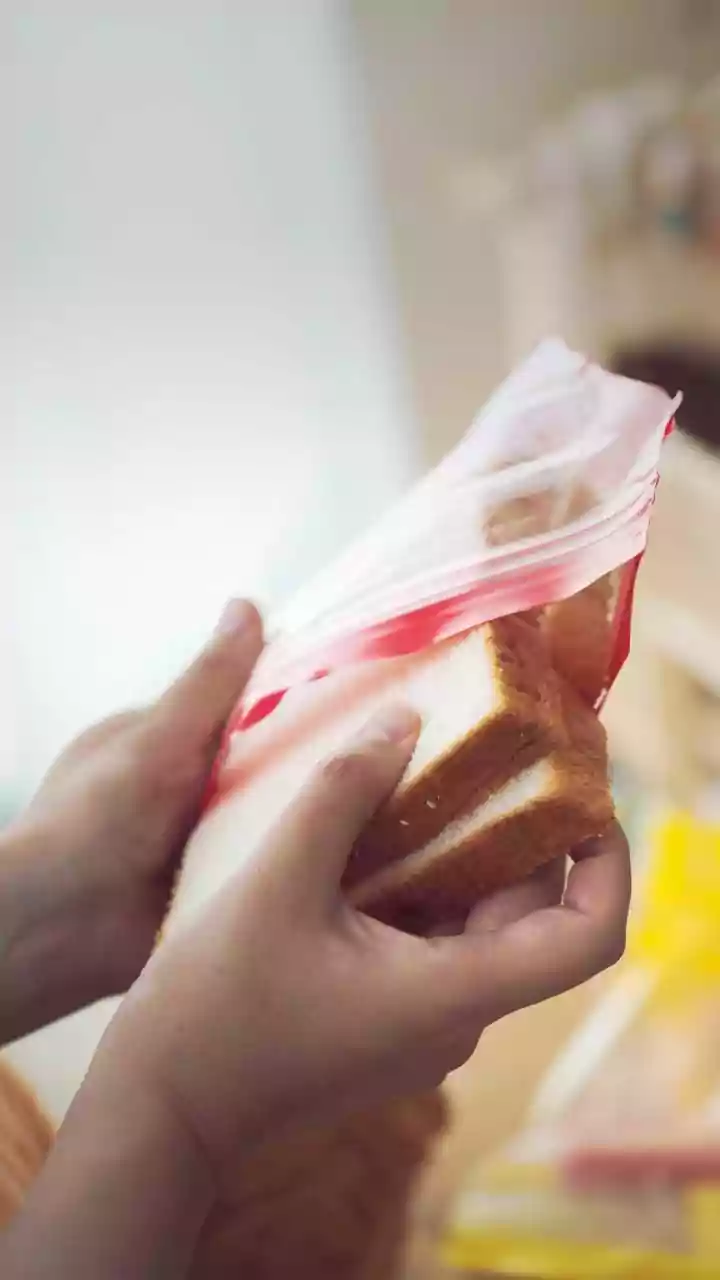
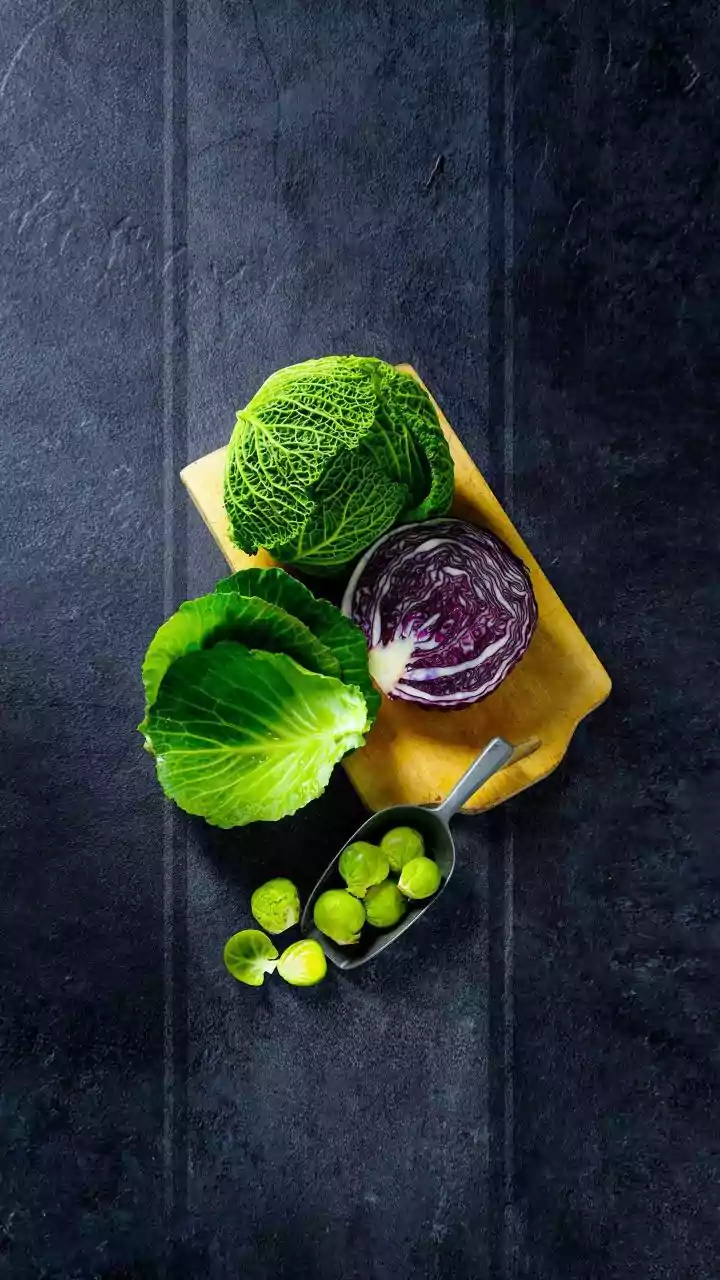
Broccoli and cauliflower are versatile and hold up well when prepped correctly. First, ensure they are completely dry after washing, as moisture is their enemy. Cut them into bite-sized florets for roasting or steaming. Storing them in a container with a slightly vented lid or loosely covered allows a little airflow, which helps keep them fresh for about four days. For cabbage, shredding it for salads or slaws is a common prep task. The clean cuts from a sharp knife or a food processor prevent the shreds from becoming watery too quickly. Store shredded cabbage in a dry, airtight bag or container, where it can last for several days.
Softer Vegetables: Peppers, Zucchini, and Bhindi
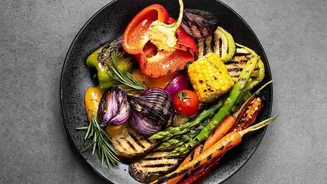
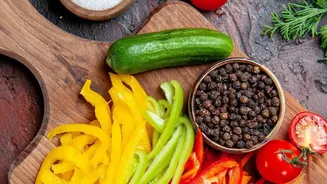
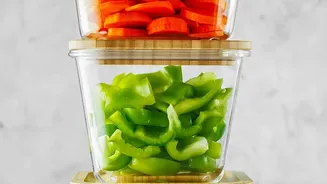
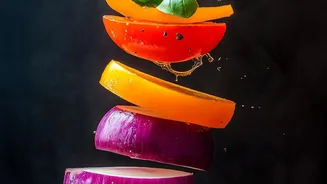
Vegetables with higher water content require more careful handling. For bell peppers (capsicum), slicing them into strips for fajitas or dicing them for salads works well. The key is to ensure they are thoroughly dry before storing. Placing a paper towel in the bottom of an airtight container can absorb any excess moisture and prevent them from becoming slimy. The same principle applies to zucchini and other gourds. For bhindi (okra), it's best to wash and thoroughly dry it before chopping it into rounds; any lingering moisture can make it mucilaginous during storage and cooking. These softer vegetables are generally best used within the first three days of your meal-prep week.
A Note on Leafy Greens and Herbs
When it comes to leafy greens like spinach or kale, it's often best to store the leaves whole after washing and thoroughly drying them. A salad spinner is an excellent tool for this. Storing them in a container lined with a paper towel absorbs extra moisture and can keep them from wilting for up to a week. Tearing or chopping them just before use will give you the best texture. For fresh herbs like coriander and mint, you can prep them by washing, drying, and chopping them, then storing them in a dry, airtight container in the fridge, ready to be sprinkled over your finished dishes.
Smart Storage is the Final Step
Once your vegetables are cut, proper storage is non-negotiable. Airtight glass or BPA-free plastic containers are your best friends, as they lock in moisture and prevent fridge odours from seeping in. For most chopped vegetables, ensuring they are dry and have a paper towel to absorb condensation is a game-changer. Labeling containers with the date helps you use the oldest items first, minimizing waste. Remember to keep ethylene-producing fruits like apples separate from your prepped veggies, as the gas can cause them to spoil faster.