




The Power of the Porridge
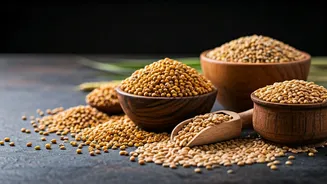
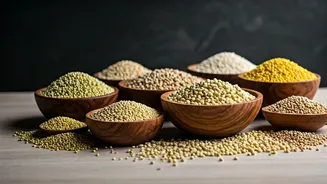
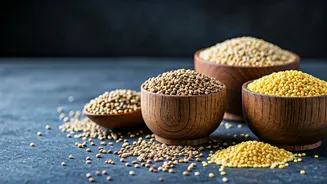
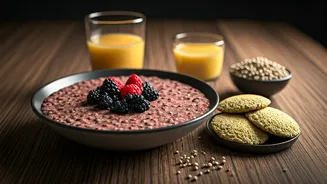
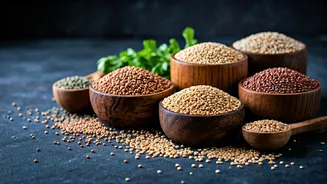
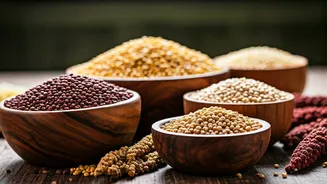
The simplest entry into millet breakfasts is the humble porridge, or kanji. Millets like ragi (finger millet), bajra (pearl millet), and jowar (sorghum) are nutritional powerhouses. Ragi is famously high in calcium, making it great for bone health, while
bajra is a champion of iron, helping to fight fatigue. To make a morning porridge, you don't need much. You can use millet flour or whole grains. For a quick start, dry roast ragi flour for a few minutes to get rid of the raw taste. Whisk it with water to avoid lumps, and cook on a low flame until it thickens. From there, you can go sweet with jaggery and cardamom or savoury by cooling the porridge and mixing it with buttermilk and a simple tadka of mustard seeds and curry leaves. This can be prepped the night before for an even faster morning.
The Weekend Batter Batch
Leverage your weekend to prepare for the week. Instead of your usual rice-based batter, try a millet version for idlis and dosas. You can substitute rice entirely or go half-and-half with grains like foxtail millet, barnyard millet, or kodo millet. The process is familiar: soak the millet and urad dal separately for a few hours (usually 3-4), grind them into a batter, mix, and let it ferment overnight. A common tip is to grind the urad dal first to a fluffy consistency, then grind the millets, which require less water. Once fermented, this single batter can give you soft, fluffy idlis for Monday's breakfast and crispy dosas for Tuesday.
The Upma & Poha Upgrade
Reimagine your favourite quick-fix breakfasts with millets. Millet flakes, particularly from little millet or barnyard millet, are a fantastic substitute for rice flakes in poha. The preparation is almost identical: a quick sauté of mustard seeds, curry leaves, and onions, followed by the millet flakes, turmeric, and a squeeze of lime. For upma, little millet or foxtail millet can replace semolina for a gluten-free, fibre-rich option. The key is to get the water ratio right; a common mistake is using too much water, which can make millets mushy. A good starting point is a 1:2 millet-to-water ratio, but always check the packaging.
The Savoury Pancake Solution
For a quick and protein-packed breakfast, turn to millet flours to make cheelas or savoury pancakes. Ragi and jowar flours work wonderfully here. Simply mix the flour with water or yoghurt, add finely chopped onions, green chillies, coriander, and spices like cumin. The batter can be made instantly, with no fermentation required. Cook on a non-stick pan until golden, and you have a nutritious breakfast in under 15 minutes. These are not only quick but also a great way to incorporate vegetables into your first meal of the day.
The Meal-Prep Bake
For those who prefer a sweet start, a millet breakfast bake is a game-changer. Think of it as a hearty, baked porridge that you can make on a Sunday and enjoy all week. In a baking dish, combine rinsed millet (proso or foxtail work well), milk, a natural sweetener like maple syrup or jaggery, and spices like cinnamon. Add fruits like berries or chopped apples, top with nuts, and bake for about an hour. The result is a delicious, sliceable breakfast that can be eaten warm or cold. It stores well in the refrigerator and can be a lifesaver on particularly chaotic mornings.