







From 'Where To?' to 'What To?'
A fundamental change is reshaping how people in Asia plan their travels. Increasingly, the primary question is not “Where should I go?” but “What experience do I want to have?”. This is the core of “experience-first” or “passion-led” tourism: building
an entire trip around a specific activity or event. Instead of a destination being a checklist of sights, it becomes the setting for a desired experience. This could mean booking a trip to Thailand for a yoga retreat, flying to South Korea for a K-pop concert, or choosing Vietnam for an immersive culinary tour. Recent industry reports from 2026 confirm that travellers are now planning entire holidays around singular passions like sporting events, music festivals, and wellness programs. This marks a departure from traditional, landmark-focused itineraries toward more personalised and meaningful journeys.
The New Generation of Travellers
This trend is largely powered by Millennial and Gen Z travellers, who are now the key drivers of the tourism industry. Younger travellers from across the Asia-Pacific region are more likely to seek out authentic local experiences, discover hidden gems, and prioritise activities that offer a deeper connection to a place. According to a 2026 travel trends study by Simon-Kucher, Gen Z and Millennials travel more frequently and internationally than older generations. Reports from booking platforms like Klook and Agoda highlight that these demographics prioritise spending on richer experiences over shopping. They are not just chasing photo opportunities; they are seeking personal growth, unique stories, and emotional connections on their travels. This desire for authenticity is also leading them away from crowded hotspots and toward lesser-known secondary cities and regions.
Technology Makes It Possible
The rise of experience-first travel would not be possible without technology. The Asia-Pacific region now commands the largest share of the global tours and activities booking market, with mobile phones accounting for the vast majority of transactions. Platforms like Klook, Pelago, and GetYourGuide have made it incredibly easy to discover, compare, and book activities—from scuba diving courses to cooking classes—often with just a few taps. Social media has also become a powerful discovery tool, with videos and creator recommendations inspiring travel plans. Furthermore, Artificial Intelligence (AI) is playing an increasingly vital role, helping travellers build personalised itineraries and discover experiences aligned with their interests, making planning faster and more seamless.
What's on the Itinerary?
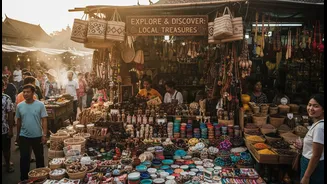
So, what are these experience-hungry travellers booking? The range is vast. For Indian travellers, theme parks like Universal Studios Singapore and island tours in Pattaya are hugely popular. Across the region, there is strong demand for cultural exploration, outdoor adventures, and culinary discoveries. Specific examples include trekking through rice terraces in Vietnam, learning to dive in the Philippines, rock climbing in Thailand, or attending a local festival in a lesser-known Japanese city like Hiroshima or Nagoya. Even within cities, unique activities are a major draw, such as an open-air giant swing in Bangkok or visiting a world-class aquarium in Kuala Lumpur. This focus on doing rather than just seeing has meant that for many, a major concert or a specific food tour is now the primary motivation for an international trip.
How the Industry is Adapting
The travel industry is taking note and adapting quickly. Tourism boards and operators are no longer just marketing their beaches and monuments; they are curating and promoting unique events and immersive offerings. Destinations with strong entertainment calendars or specialised wellness infrastructure are gaining a competitive edge. Hotels are shifting strategies to appeal to this market, and tour companies are designing more flexible and culturally rich itineraries. The growth of the “experience economy” is seen as a major driver for the entire tourism sector, turning niche interests into significant economic opportunities. As operators move from selling services to staging memorable experiences, they are fostering a more resilient and dynamic travel ecosystem.