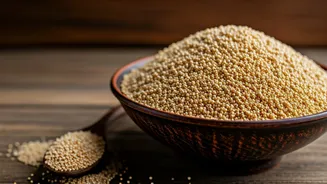


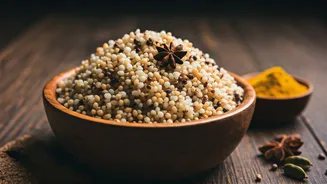
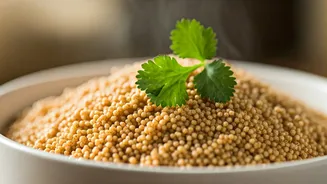



What Exactly Is Amaranth?
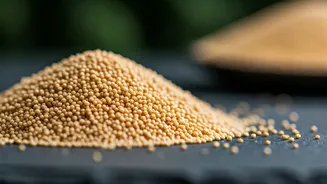
Before you can crown it your go-to superfood, let's get acquainted. Amaranth isn't technically a grain like wheat or oats; it's a 'pseudocereal.' This means its seeds are consumed like cereal grains, but the plant itself belongs to a different family.
This tiny, gluten-free seed has a history stretching back 8,000 years, where it was a staple food for the Aztec, Mayan, and Incan civilizations. They revered it not just for sustenance but for its supposed supernatural powers, calling it the 'food of the gods.' After falling into obscurity for centuries, this ancient powerhouse is making a well-deserved comeback in modern kitchens, celebrated for its unique texture and impressive health benefits.
A True Nutritional Powerhouse
So, what’s behind the 'superfood' claim? Amaranth’s nutritional resume is genuinely impressive. Unlike many plant-based foods, it’s a complete protein, meaning it contains all nine essential amino acids, including lysine, which is often lacking in other grains. A single cup of cooked amaranth provides about 9 grams of protein and 5 grams of fibre, helping you feel full and supporting digestive health. But it doesn't stop there. It's exceptionally rich in minerals, particularly manganese, which is crucial for brain function, as well as magnesium, phosphorus, and iron. This makes it an excellent choice for vegetarians, vegans, and anyone looking to boost their nutrient intake without relying on supplements.
Beyond Quinoa and Oats
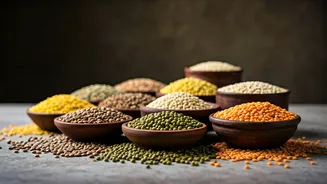
Many of us already have pantries stocked with quinoa, brown rice, or oats. So why make room for amaranth? While all whole grains have their merits, amaranth brings something unique to the table. Its protein content is comparable to quinoa, but it boasts a significantly higher concentration of minerals like calcium and iron. Compared to oats, it offers a more complex, earthy, and nutty flavour profile. Its texture is also distinct. When cooked, it can range from a creamy, porridge-like consistency to a fluffy, couscous-like grain, depending on the preparation method. This versatility allows it to star in both sweet and savoury dishes, setting it apart from its more common counterparts.
Why Steaming Is the Secret
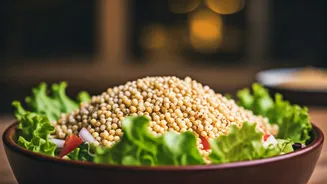
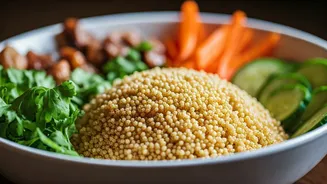
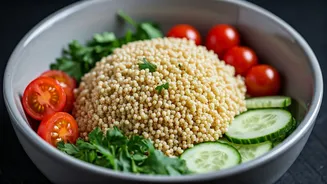
While you can boil amaranth, steaming is the game-changing technique that unlocks its best self. Boiling can sometimes lead to a gummy, overly sticky texture that puts some people off. Steaming, however, allows the tiny grains to absorb water more gently and evenly. This results in a light, fluffy texture that’s perfect for salads, side dishes, or grain bowls. The individual grains remain distinct instead of clumping into a dense mass. Furthermore, steaming is a gentler cooking method that may help preserve more of the water-soluble vitamins and delicate nutrients that can be lost when boiled and drained. If you want to experience amaranth at its finest, the steamer is your best friend.
How to Steam Amaranth Perfectly
Ready to try it? Steaming amaranth is simple. All you need is a pot with a tight-fitting lid and a fine-mesh steamer basket. 1. **Rinse Your Grains:** Start by rinsing 1 cup of amaranth under cold water in a fine-mesh sieve. This removes any natural saponins that can cause a bitter taste. 2. **Set Up Your Steamer:** Add about an inch of water to your pot and bring it to a boil. Place the rinsed amaranth in the steamer basket and set it inside the pot, ensuring the water doesn't touch the grains. 3. **Steam and Wait:** Cover the pot, reduce the heat to a medium-low simmer, and let it steam for about 20-25 minutes. The grains are done when they are tender and have absorbed the moisture. 4. **Fluff and Serve:** Remove the steamer basket from the pot. Let the amaranth sit for a few minutes, then fluff it with a fork. Season as desired and serve.
Ways to Enjoy Your Grains
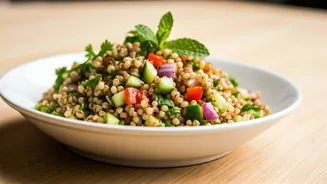
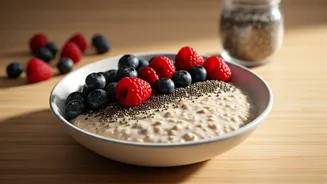
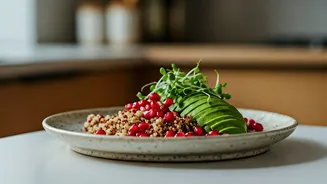
Once you've mastered the steaming process, the possibilities are endless. Use the fluffy grains as a base for a vibrant vegetable salad, drizzled with a lemon-tahini dressing. Serve it as a nutritious side dish alongside grilled chicken or fish, replacing rice or potatoes. For breakfast, simmer it with a bit more liquid (like milk or a plant-based alternative) until it becomes a creamy porridge, then top with berries, nuts, and a drizzle of honey. You can even 'pop' the dry grains in a hot, dry skillet to create a crunchy topping for yoghurt or desserts.