




An Adventure Beyond the Beaten Path
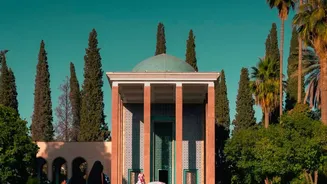
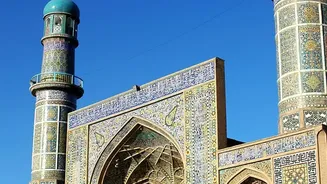
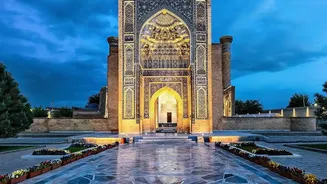
For a generation raised on social media, the appeal of a destination is often measured by its uniqueness. While Paris and Rome are timeless, Uzbekistan offers something different: a story. It’s a country where ancient history feels alive, from the turquoise
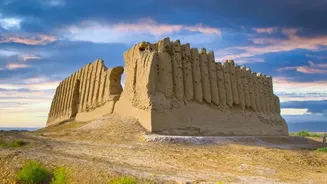
domes of Samarkand to the sand-coloured walls of Khiva’s old city. For young travellers, it represents a chance to explore a culture that is both deeply historic and rapidly modernising. Surveys indicate a growing trend among Millennials and Gen Z to choose such 'off-the-beaten-path' destinations, which they feel provide more meaningful experiences. The country is also widely considered safe for tourists, with a low crime rate and a government actively investing in tourism infrastructure, including a dedicated tourist police force in major cities.
The Overland Journey by Modern Train
A key part of the appeal is the overland journey itself. Uzbekistan has invested heavily in its railway network, making it one of the best ways to see the country. Modern, high-speed trains like the 'Afrosiyob' connect the capital, Tashkent, with the legendary cities of Samarkand and Bukhara in just a few hours. This allows travellers to glide through the desert landscapes in comfort, turning a simple transfer into a scenic experience. For longer stretches, such as the journey to the remote city of Khiva, comfortable and affordable sleeper trains offer an overnight adventure. This mode of travel is not only budget-friendly but also allows for a deeper connection with the country, watching the landscape change and sharing compartments with local families.
Where Your Rupee Goes Further
Perhaps the biggest draw for student and young professional backpackers is the incredible value for money. Uzbekistan is one of Asia's most affordable destinations, where a daily budget can be managed without sacrificing comfort or experience. A bed in a well-regarded hostel can cost between ₹600-₹1000, and a hearty meal of plov, the national dish, can be found for under ₹200. Entrance fees to the magnificent madrasas and mausoleums are also modest. For Indian travellers, a 10-day trip, including flights, can be comfortably managed within a budget of ₹55,000-₹65,000. This affordability means travellers can stay longer, see more, and immerse themselves fully in the culture without the financial stress associated with many other international destinations.
The Silk Road's Most Famous Cities
The itinerary almost writes itself, following the ancient Silk Road route. Most journeys begin in the modern capital, Tashkent, with its unique blend of Soviet-era architecture and Islamic heritage. From there, the high-speed train whisks you to Samarkand, the stunning home of the Registan Square—a breathtaking plaza of three grand madrasas. Next is Bukhara, a city whose historic centre is a UNESCO World Heritage site, filled with mosques, caravanserais, and a labyrinth of old alleyways. For those with more time, the journey continues to Khiva, a perfectly preserved walled city that feels like an open-air museum. Each city offers a distinct flavour of Uzbekistan's rich past, a history intertwined with conquerors like Genghis Khan and Tamerlane.
Logistics for the Indian Traveller
Getting to Uzbekistan has become increasingly straightforward for Indian citizens. The country offers an e-visa that can be applied for entirely online, with a typical processing time of just a few business days. The single-entry tourist visa generally costs around ₹2,000-₹2,500 and allows for a stay of up to 30 days. There is no visa-on-arrival facility without prior arrangements, so securing the e-visa in advance is essential. Upon arrival, getting a local SIM card is easy at the airport, and while English is not widely spoken outside of tourist centres, the hospitality is renowned, and many locals in markets and hotels are eager to communicate, sometimes even using Hindi learned from Bollywood films.