




Rethink Your Watering Schedule
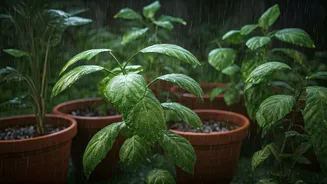
The most common mistake during the rainy season is overwatering. While the downpours seem like a blessing, they can quickly lead to root rot, the number one killer of potted plants in wet weather. Before you even think about picking up that watering can,
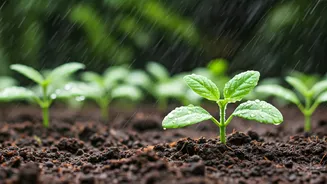
do the finger test: push your finger an inch or two into the soil. If it feels moist, leave it alone. The rain and high humidity are likely providing all the moisture your plants need. On days without rain, check the soil again. If it's dry, water lightly, preferably in the morning to allow any excess to evaporate. Remember, it's far easier for a plant to recover from being slightly thirsty than from drowning in a soggy pot.
Prioritise Drainage Above All Else
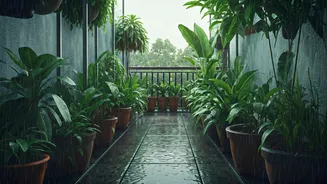
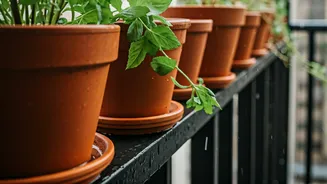
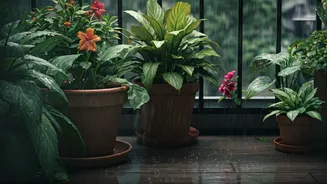
Excellent drainage is non-negotiable during the monsoon. Ensure every pot has multiple drainage holes to let excess water escape freely. If you suspect a pot's holes are blocked, clear them with a sharp object. A simple but highly effective trick is to elevate your pots using bricks, small stones, or pot feet. This small gap between the pot and the balcony floor prevents the container from sitting in a puddle and improves airflow, which is crucial for root health. It’s also wise to remove any saucers or drip trays from under your pots, as they can quickly fill with rainwater and create a breeding ground for mosquitoes and root disease.
Combat Pests and Fungal Diseases
The damp, humid conditions of the monsoon are an open invitation for pests like slugs, snails, and aphids, as well as fungal diseases like powdery mildew. Prevention is your best strategy. Prune any dead or yellowing leaves to improve air circulation around your plants, which helps keep foliage dry and less welcoming to fungi. Regularly inspect your plants, especially the undersides of leaves, for any signs of trouble. A preventative spray of organic neem oil can work wonders, acting as both a natural pest repellent and a fungicide. Avoid overcrowding your plants to ensure there is enough space for air to move freely between them.
Adjust Your Soil and Feeding Routine
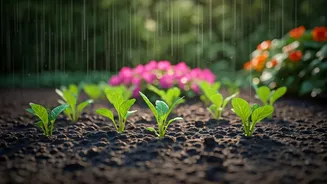
Heavy rains can compact soil, making it dense and airless. Periodically, gently loosen the top layer of soil with a small tool to improve aeration and help it dry out faster. The monsoon is also a time when nutrients can be washed out of the soil by frequent rains. However, avoid aggressive fertilizing, as it can burn roots in wet soil. Instead, opt for a light top dressing of organic compost or vermicompost every few weeks. Plants can absorb these nutrients readily in the cool, moist conditions without the risk of chemical burn. If you are repotting, use a light, well-draining soil mix that includes components like cocopeat or coarse sand to prevent waterlogging.
Choose Monsoon-Happy Plants
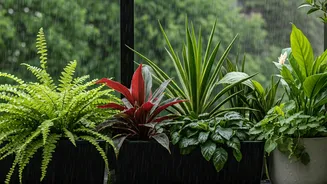
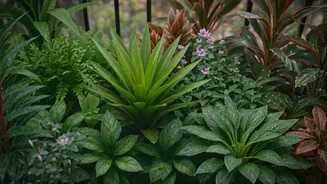
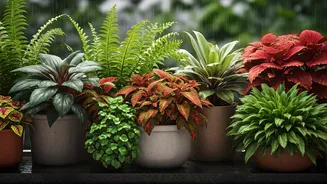
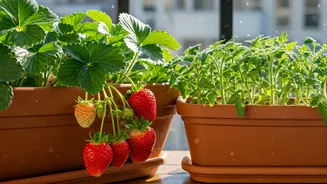
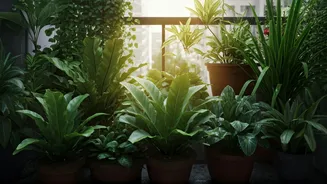
While you care for your existing plants, consider adding some that truly thrive in the rainy season. Many tropical plants adore the high humidity and moisture. Flowering plants like hibiscus, jasmine, periwinkle, and balsam bloom profusely during this time. This is also an excellent season for growing lush ferns and vibrant foliage plants like coleus and caladiums, which add a splash of colour on cloudy days. For those who enjoy practical gardening, herbs like mint and lemongrass, and vegetables such as chillies and spinach, also grow vigorously during the monsoon.