








A Return to Simple Wisdom
For a while, it seemed like fruit was getting complicated. Some low-carb diets warned against its sugars, while the wellness industry pushed expensive cold-pressed juices and concentrated supplements as superior alternatives. But the pendulum of nutritional
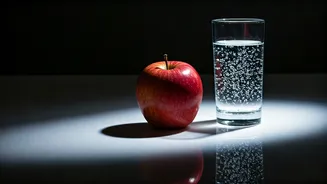
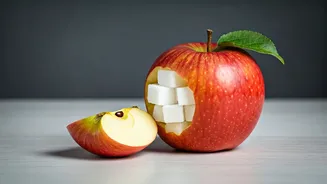
science is swinging back towards a time-tested principle: food is best consumed in the form nature intended. Experts are increasingly vocal in reminding us that an apple is not the same as apple juice, and a handful of berries provides benefits that a supplement pill cannot replicate. This renewed focus isn't about a new discovery but a reaffirmation of foundational knowledge, cutting through the marketing noise to highlight what has always been true.
The Underrated Power of Fibre
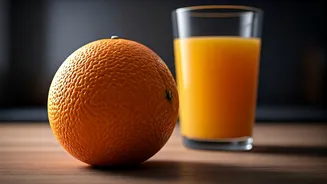
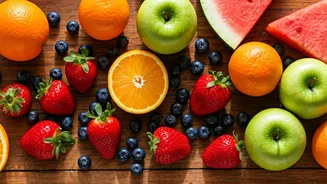
The single biggest hero in the whole fruit story is dietary fibre. When you eat a whole fruit like an orange or a guava, you consume not just its juice and vitamins but also its fibrous pulp and skin. This fibre is a game-changer for your body. It slows down the absorption of fructose (fruit sugar) into your bloodstream, preventing the sharp sugar spikes and subsequent crashes associated with sugary drinks. This slow release provides sustained energy. Furthermore, fibre adds bulk, making you feel fuller for longer, which can help with weight management by reducing overall calorie intake. It’s also crucial for a healthy gut, feeding the beneficial bacteria in your digestive system and ensuring smooth digestion.
Why Juicing Just Can't Compete
Juicing has been marketed as a health hack—a way to consume a massive amount of nutrients quickly. However, the process of juicing typically strips away most of the essential fibre. What you’re left with is essentially sugar water, albeit with some vitamins. Drinking a glass of fruit juice can send a rapid flood of sugar into your system, much like a sweetened soft drink. This can overwhelm the liver and contribute to blood sugar instability. Even smoothies, which are arguably better because they blend the whole fruit, can be problematic. They break down the fibrous structures, making the sugars more readily available. You can also consume far more fruit in a smoothie than you would ever eat whole, leading to an unintentional sugar and calorie overload.
The Magic of the 'Food Matrix'
Beyond just fibre, scientists talk about the 'food matrix'—the intricate physical and chemical structure that houses nutrients within a whole food. In a fruit, vitamins, minerals, antioxidants, and phytonutrients are all bound together within this matrix. This structure affects how we digest the food and how its nutrients are released and absorbed. The act of chewing and digesting the whole fruit unlocks these components gradually and synergistically. Processing, like juicing or creating extracts, shatters this delicate matrix, fundamentally altering the food and how your body interacts with it. This is why the benefits of a whole fruit are always greater than the sum of its isolated parts.
Making It a Daily Habit
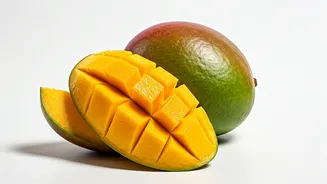
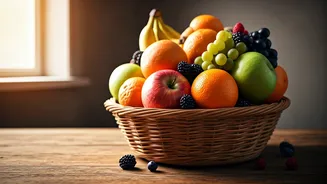
Incorporating whole fruits into your diet doesn't require a radical overhaul. Start by swapping your morning juice for a whole banana or a bowl of papaya. Add chopped apples or pomegranate seeds to your oatmeal or dahi. For a midday snack, reach for a seasonal fruit like a mango in summer or a pear in winter instead of a packaged biscuit. Keeping a fruit bowl on your desk or dining table serves as a visual reminder. The goal is simple: see fruit not as a complex dietary component to be managed, but as a simple, delicious, and essential part of your daily meals.