
More Flavour, Less Waste
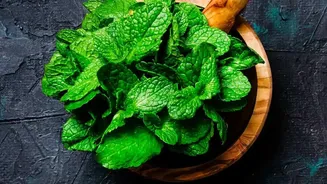
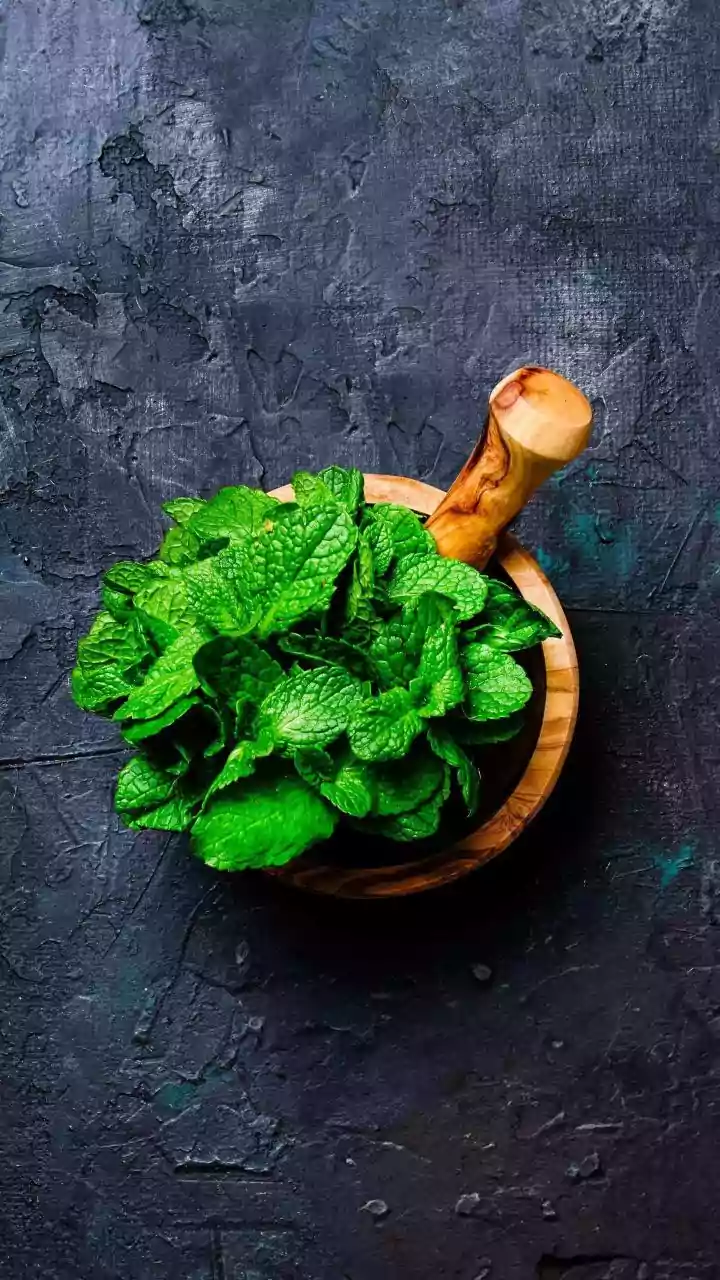
Every time you pick the leaves from a fresh bunch of coriander or mint, you're likely left with a pile of stems. While it's tempting to bin them, these stems are a hidden culinary treasure. They possess a potent concentration of the herb's essential oils,
offering a flavour that is often brighter and more intense than the leaves themselves. Using them to create an infused oil is a cornerstone of zero-waste cooking. It's a simple, cost-effective way to extract every last bit of value from your fresh produce, turning what was once waste into a gourmet pantry staple. This practice not only elevates your cooking with nuanced flavours but also reduces your kitchen's environmental footprint.
Choosing Your Ingredients
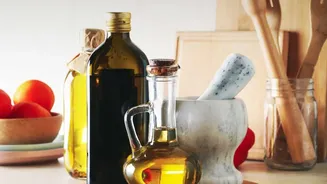
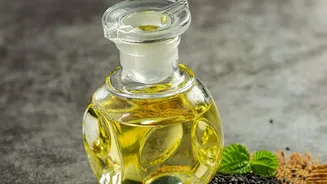
The process is incredibly simple and requires only two main ingredients: your leftover stems and a carrier oil. For the herbs, make sure your mint and coriander stems are thoroughly washed and, most importantly, completely dry. Any water introduced into the oil can encourage spoilage. For the oil, choose a neutral-flavoured variety that won't overpower the delicate herbal notes. Good options include sunflower, grapeseed, or a light olive oil. While a robust extra-virgin olive oil can be used, its strong flavour might compete with the herbs, so a milder choice is often better to let the mint and coriander truly shine.
The Gentle Heat Method
A quick and effective way to infuse your oil is with gentle heat. This method works well for both mint and coriander stems. Start by roughly chopping the clean, dry stems to help release their aromatic compounds. Place one cup of stems in a small saucepan and cover them with about one-and-a-half cups of your chosen oil. Heat the mixture over the lowest possible setting on your stove. The goal is to warm the oil, not fry the herbs. Let it heat gently for about 5 to 10 minutes, until the oil becomes fragrant. You should see tiny bubbles, but it should not be simmering or smoking. Once you can smell the rich aroma of the herbs, turn off the heat and let the mixture cool down to room temperature completely. This steeping process allows the flavours to fully meld.
Straining and Storing Safely
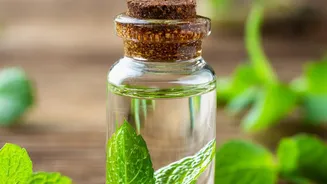
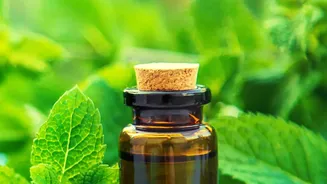
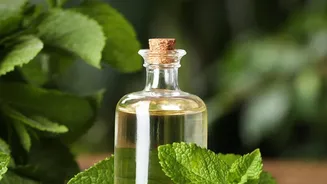
Once the oil is completely cool, it's time to strain out the stems. Line a fine-mesh sieve with a piece of cheesecloth or a coffee filter and place it over a clean, dry glass bottle or jar. Pour the oil through the filter. Resist the urge to press down on the stems, as this can make the oil cloudy. Let it drip through naturally. For homemade infused oils made with fresh (even if dried on the surface) ingredients, safety is paramount due to the risk of botulism, a serious illness caused by bacteria that thrives in low-oxygen, low-acid environments like oil. To be safe, your finished oil must be stored in the refrigerator and used within four days. For longer storage, you can freeze the oil in an ice cube tray. Always store the oil in a dark-coloured bottle to protect it from light, which can cause it to degrade faster.
How to Use Your Creations
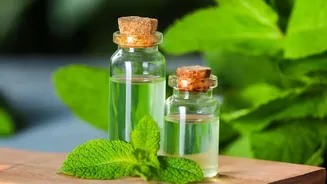
Your new homemade oils are versatile finishing touches that can elevate a wide range of dishes. Drizzle the coriander stem oil over roasted vegetables, grilled fish, or chicken for a zesty, peppery flavour. It’s also a fantastic base for a vibrant salad dressing or a marinade. The mint oil, with its cool and refreshing character, is wonderful drizzled over fruit salads, yogurt, or grilled lamb. Try adding a splash to soups just before serving or whisking it into a vinaigrette for a surprising burst of freshness. These oils are best used as a finishing touch rather than for high-heat cooking, which can destroy their delicate flavours.