
The Modern Breakfast Dilemma
Walk down any supermarket aisle, and you'll see the breakfast dilemma in full display. Colourful boxes of processed cereals promise a quick and easy start to the day, appealing to busy urban families juggling work, school, and hectic schedules. Yet, growing
awareness about nutrition has cast a shadow on these convenient options, which are often high in sugar and refined carbohydrates. This has left many searching for healthier alternatives that don't demand hours in the kitchen. Enter millets, the ancient grains once dismissed as “poor man’s food.” These nutritional powerhouses are making a remarkable comeback, finding their way back onto Indian plates in modern, accessible forms.
What's Driving the Millet Comeback?
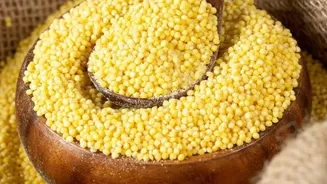
The resurgence of millets isn't a fleeting trend; it's a movement supported by several factors. Government initiatives, such as promoting millets as 'Shree Anna' and celebrating the International Year of Millets in 2023, have significantly raised their profile. These grains, including varieties like ragi (finger millet), jowar (sorghum), and bajra (pearl millet), are not only nutritious but also climate-resilient, requiring far less water than rice and wheat. This makes them a sustainable choice for farmers and the environment. For consumers, the appeal lies in their impressive health benefits. Millets are naturally gluten-free, rich in protein, and packed with dietary fibre and essential minerals like iron and calcium. Their low glycemic index helps manage blood sugar levels, making them an excellent choice for everyone, from growing children to adults managing lifestyle diseases.
The Humble Idli's Superfood Makeover
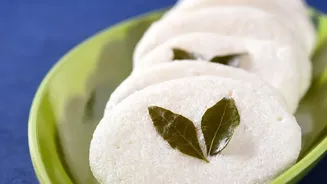
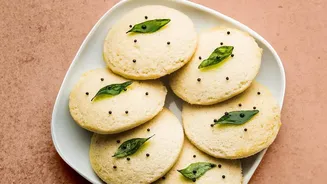
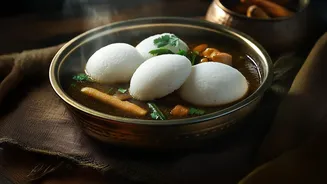
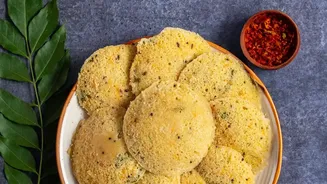
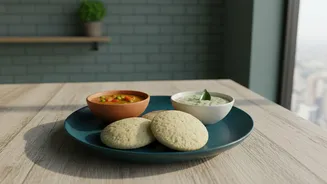
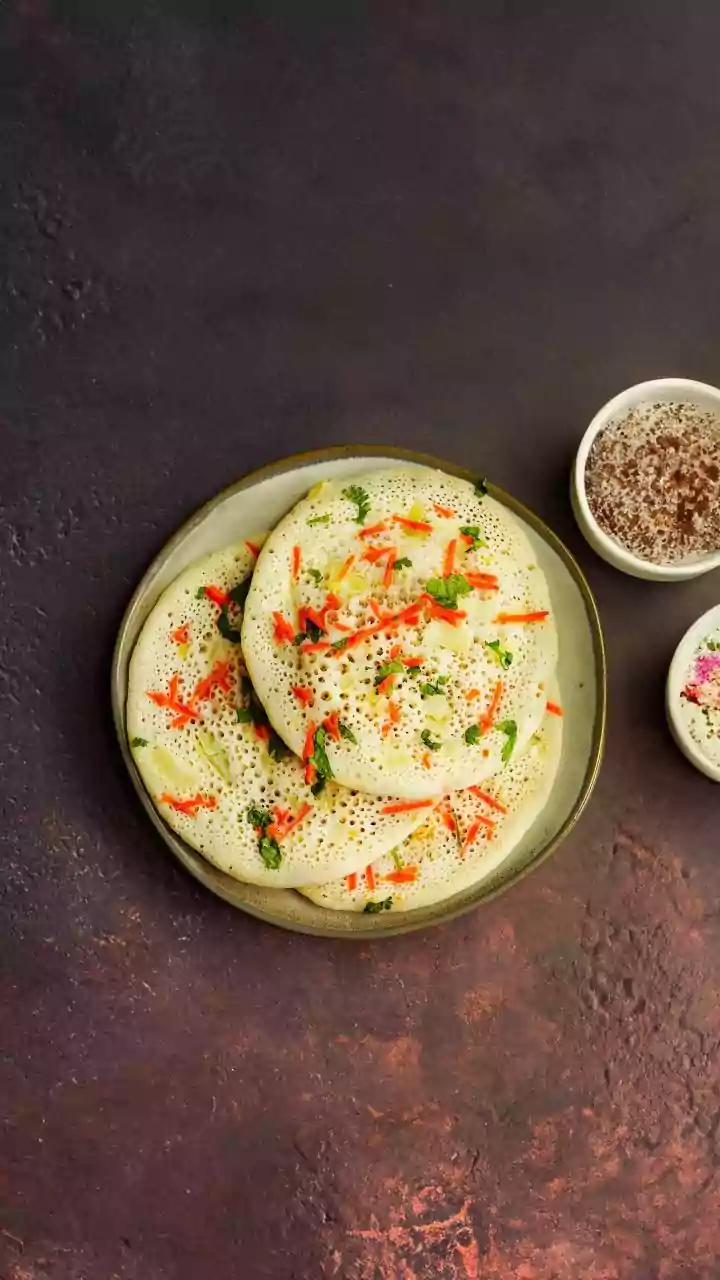
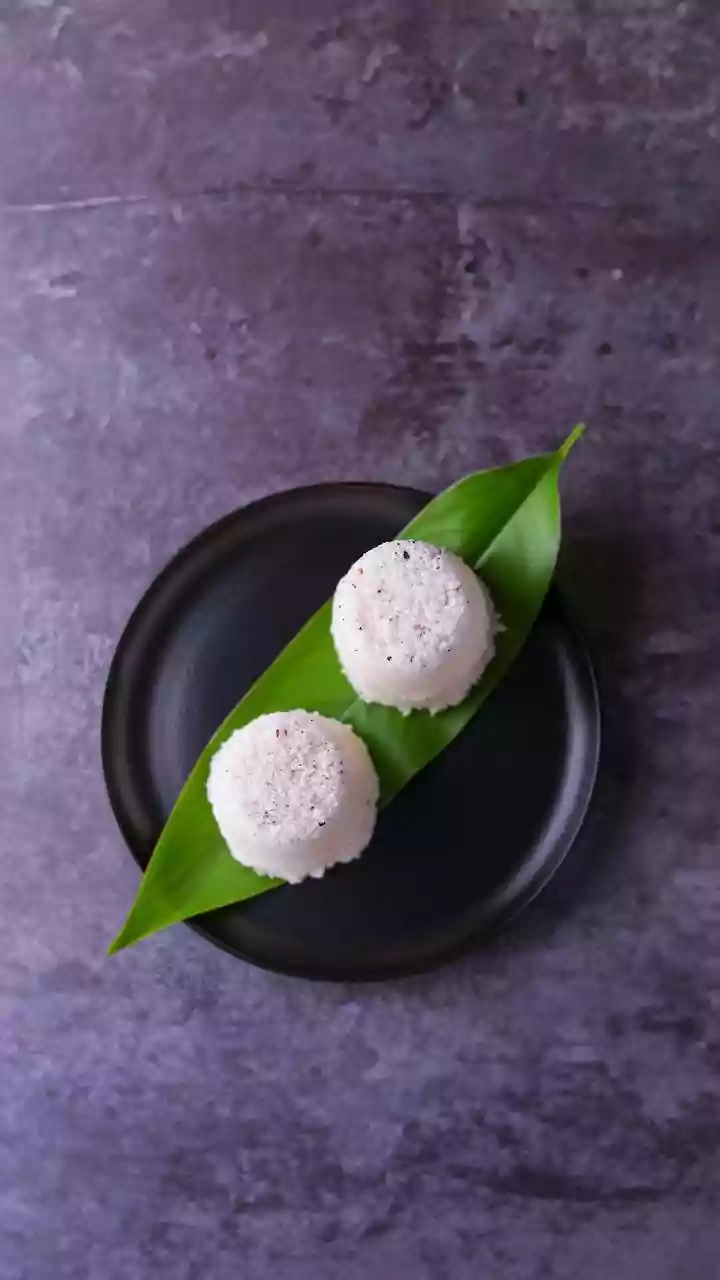
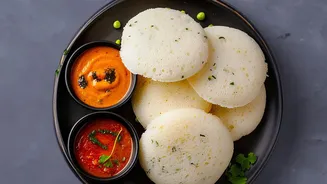
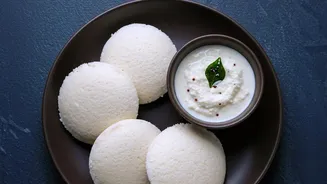
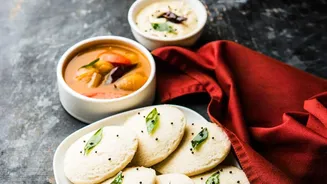
Among the many ways to enjoy millets, the idli has emerged as a favourite canvas. The soft, steamed cake is a beloved breakfast across India, known for being light and easy to digest. By replacing or supplementing rice with millets, this traditional dish gets a significant nutritional upgrade. Millet idlis, made from grains like foxtail, kodo, or barnyard millet, offer more fibre and protein than their rice-based counterparts. This switch not only enhances the meal's nutritional value but also keeps you feeling full and energetic for longer. Many enthusiasts claim that with the right preparation, millet idlis are just as soft and fluffy as the original, making the switch almost seamless for families. In fact, ready-to-cook millet idli batters are now increasingly available in urban stores, bridging the gap between health and convenience.
More Than Just Health: Taste and Tradition
For any food to become a staple, it must be enjoyable. Fortunately, millet idlis deliver on taste as well as nutrition. Different millets lend subtle, earthy flavours that add a new dimension to the familiar breakfast. For instance, foxtail millet and little millet create a light texture, while ragi gives the idlis a distinctive colour and a richer flavour. This revival is also a return to ancestral food wisdom. For generations, millets were a dietary staple in various parts of India, forming the basis of dishes like ragi mudde and bajra roti. By incorporating millets into a modern favourite like idli, urban families are not just making a healthy choice but also reconnecting with a rich culinary heritage that was almost lost.
Making the Switch at Home
Adopting millet idlis doesn't have to be complicated. For beginners, a good start is to replace a portion of the rice in your regular idli batter with a mild-flavoured millet like little millet (samai) or kodo millet (varagu). Many recipes combine several types of millet for a broader nutritional profile. The process is similar to making traditional idli batter, involving soaking, grinding, and fermenting. Some find that millet batter ferments faster and is easier to grind. For those short on time, the growing market for pre-made millet batters offers a simple way to introduce this superfood into your family's diet without the prep work. Start small, experiment with different millets, and discover a new, healthier version of a breakfast classic.