








Inspect Your Roof and Terrace
This is your home's first line of defence. Even a tiny, unnoticed crack in the roof or terrace can allow water to seep in, leading to major structural damage, ruined ceilings, and damp patches that are a nightmare to fix. Before the first heavy downpour,
get on your roof (safely!) and look for cracks, broken tiles, or gaps in the waterproofing. The cost of a professional waterproofing treatment can seem high, but it’s a fraction of what you’d spend on repairing a compromised ceiling or dealing with persistent leaks, which can easily run into tens of thousands of rupees for materials and labour.
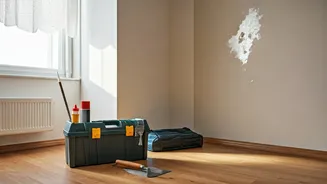
Seal Walls and Windows
Water doesn’t just come from above. Rain driven by strong winds can easily penetrate gaps around window frames and cracks in exterior walls. This leads to peeling paint, unsightly mould growth, and a musty smell that’s hard to get rid of. Mould is not just ugly; it can also cause respiratory issues. Take a walk around your house and inspect all window frames. Fill any visible gaps with a good quality silicone sealant. For exterior walls, apply a fresh coat of waterproof paint. A few hundred rupees spent on sealant and paint now can save you the ₹15,000-₹20,000 cost of repainting an entire wall later.
Check Your Electricals
Water and electricity are a deadly combination. High humidity and damp walls can lead to short circuits, which can damage expensive appliances like your TV, fridge, or AC. In the worst-case scenario, it can even cause a fire. Have an electrician check for any exposed wires, especially outdoors (like for a gate light or water pump). Ensure your main electrical panel has a functional Earth Leakage Circuit Breaker (ELCB), which cuts off power automatically if it detects a current leak. Using surge protectors for your expensive electronics is another small investment that can save you from having to replace a gadget worth ₹50,000 or more.
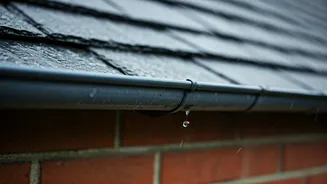
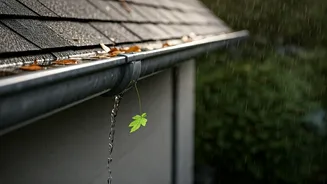
Clear Drains and Gutters
It’s a simple, grimy job that people often forget. Clogged drains, gutters, and balconies are a primary cause of waterlogging around your home. When water has nowhere to go, it pools against your foundation or seeps back into your house, potentially causing severe damage to your property's base and flooding lower floors. A choked rooftop gutter can send water cascading down your walls, undoing all your waterproofing efforts. Before the monsoon hits its peak, make sure all drainage pipes and outlets are completely clear of leaves, plastic, and other debris. This 30-minute task can prevent thousands in foundation repair costs.
Protect Your Wooden Furniture
Wood's worst enemy is moisture. During the monsoon, the high humidity in the air can cause wooden doors, windows, and furniture to swell. This makes them difficult to close and can lead to permanent warping or damage. Your expensive wardrobes and wooden cabinets are particularly vulnerable. To protect them, keep furniture a few inches away from damp walls. You can place moisture absorbers like silica gel pouches or even bowls of salt inside wardrobes. Applying a coat of varnish or wax polish before the season starts provides a protective barrier against moisture absorption.
Prepare for Pests
As the rain pours down, insects and other pests look for dry, warm shelter—and your home is the perfect candidate. Cockroaches, termites, and rodents become more active during the monsoon. A small infestation can quickly become a major problem, damaging clothes, furniture, and wiring. Before the season, seal any cracks or holes in your walls and floors, especially around pipes. Ensure your kitchen is clean and food is stored in airtight containers. A pre-monsoon pest control treatment can be a wise investment, saving you the stress and cost of dealing with a full-blown infestation later.