






Decoding the New Label Plan
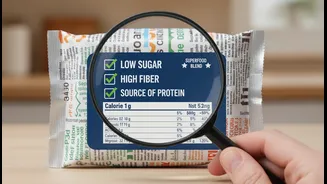
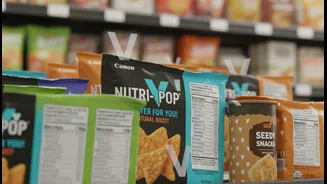
The Food Safety and Standards Authority of India (FSSAI) is pushing for a system called Front-of-Pack Labelling (FoPL). Instead of flipping a package over to find a tiny table of numbers, key nutritional information will be displayed prominently on the
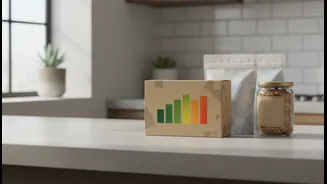
front. The leading proposal is the Indian Nutrition Rating (INR), a system that will assign a star rating to packaged food products, likely from a half-star (least healthy) to five stars (healthiest). The rating would be calculated based on the product's overall nutritional profile, considering calories, saturated fat, total sugar, sodium, and positive nutrients like protein and fibre. The idea is simple: the more stars a product has, the better its nutritional value.
Why Your Food Needs a Report Card
This move isn't happening in a vacuum. India is facing a rising tide of non-communicable diseases (NCDs) like obesity, diabetes, and heart disease, many of which are linked to diets high in processed foods. Health experts argue that current food labels are often confusing, misleading, or simply ignored by busy consumers. By providing a simple, visual cue like a star rating, the FSSAI hopes to empower people to make healthier choices in a split second. The goal is to create a public health intervention that nudges the entire population towards better eating habits without being overly restrictive. It’s about making the healthy choice the easy choice.
The Star System vs. Warning Signs
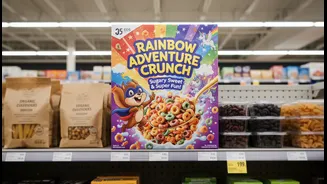
While the idea of simpler labels is widely supported, the proposed star rating system is not without its critics. Several public health experts and consumer advocacy groups are campaigning against it. They argue that a star rating can be confusing and even create a misleading 'health halo'. For example, a product high in sugar might still receive 1.5 or 2 stars, making consumers think it's a relatively healthy option. These groups advocate for a different approach: clear warning labels. These are typically black or red symbols, like an octagon, that explicitly state when a product is 'High in Sugar,' 'High in Salt,' or 'High in Fat.' Countries like Chile and Mexico have seen success with this model, as it clearly flags unhealthy products rather than ranking them on a potentially confusing scale.
What This Means for Your Groceries
Regardless of whether India adopts stars or warnings, your grocery shopping experience is set to change. Recent directives from the Supreme Court have urged FSSAI to finalize and implement clear front-of-pack labelling rules. Once implemented, you will see these new labels appear on everything from biscuits and instant noodles to juices and cereals. Food manufacturers will be under pressure to comply. For consumers, this means a new tool for comparison. You might find yourself choosing a 4-star breakfast cereal over a 2-star option. It could also drive change from the industry side. Food companies may be incentivised to reformulate their products—reducing salt, sugar, and fat—to achieve a better star rating or avoid a warning label. This could lead to a gradual improvement in the nutritional quality of packaged foods available in the market.