




The Soul of the Snack
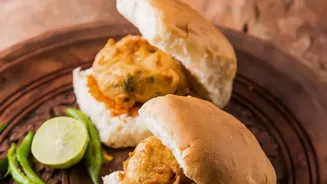
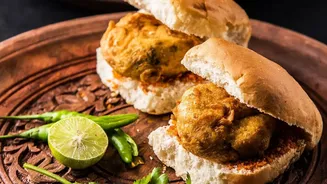
At its core, the vada pav is a simple concept: a spiced potato fritter (batata vada) tucked inside a bread roll (pav). Yet, anyone who has eaten their fair share knows that no two vada pavs are exactly alike. The secret to a truly memorable vada pav often
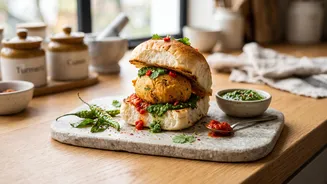
lies not in the vada itself, but in its accompanying chutneys. While the dry garlic chutney provides a fiery, nutty crunch, it is the wet green chutney, or 'hari chutney', that brings the entire package to life. This sharp, herbaceous, and spicy condiment cuts through the richness of the deep-fried vada and prevents the bread from being too dry, creating a perfectly balanced bite every single time. Without it, many would argue, you have a 'Zombie Vada Pav'—lifeless and missing its soul.
Anatomy of the Perfect Green Chutney
The standard green chutney is a masterful blend of simple, fresh ingredients. The base is almost always fresh coriander (dhania), which provides a bright, citrusy foundation. Many vendors add mint leaves (pudina) for a cooling counterpoint to the heat. The spice kick comes from green chillies, the quantity of which determines the chutney's fire level. Garlic and sometimes ginger are added for pungency and depth. Finally, lemon juice or another souring agent like amchur (dry mango powder) provides the essential tangy finish that makes the flavours pop. These components are blended, often with a little water, into a paste that can range from smooth and pourable to coarse and rustic.
The Vendor's Signature Touch
What makes exploring vada pav so exciting is the sheer variety from one street corner to the next, and much of that variation is in the chutney. An amazing food stall is often defined by the unique taste of its chutney. Some vendors in Pune add both a wet green chutney and the classic dry one for a mix of textures. Others might add roasted peanuts or chana dal to their green chutney for a thicker consistency and nuttier flavour. In Kolhapur, known for its fiery cuisine, the green chutney might take the form of 'thecha', a coarsely pounded mixture of green chillies and garlic that delivers an explosive level of heat. These subtle (and sometimes not-so-subtle) tweaks are a vendor’s signature, a secret recipe that builds a loyal following.
Adapting to New Vada Pav Avatars
As the classic vada pav has evolved, so has its chutney. The rise of fusion vada pavs has led to new condiment combinations. For a cheese vada pav, the classic spicy green chutney helps cut through the richness of the melted cheese. In some places offering Schezwan vada pav, the green chutney might be omitted entirely in favour of the Indo-Chinese sauce. In parts of South India, you might find a green chutney that incorporates coconut and curry leaves, creating a flavour profile that bridges regional tastes. Even in Delhi, the vada pav experience can be different, often served with a trio of chutneys including the green, the dry garlic, and a sweet tamarind (imli) chutney for a multi-layered flavour explosion.
More Than Just a Condiment
Ultimately, the green chutney is far more than a simple side. It is an integral component that moistens the pav, balances the fat of the vada, and delivers a fresh, spicy kick that elevates the entire snack. It works in harmony with its partners—the fiery dry garlic chutney and the occasional sweet tamarind chutney—to create a trifecta of taste that has made vada pav an enduring icon of Indian street food. Some vendors even add chopped onions for an extra layer of crunch and pungency that complements the chutney perfectly. The care and creativity that go into a vendor's green chutney recipe is a testament to the culinary artistry found on the streets of India.