







What is E20 Fuel?
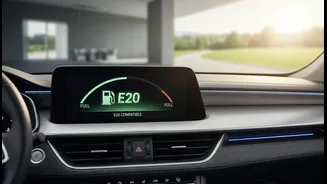
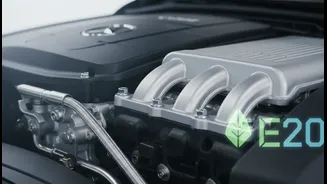
E20 fuel is a blend of 80% petrol and 20% ethanol. Ethanol is a biofuel, primarily derived from agricultural sources like sugarcane and maize in India. The Indian government has been promoting its use as part of the Ethanol Blended Petrol (EBP) Programme,
with the goal of making E20 the standard petrol across the country. This initiative aims to reduce the nation's reliance on imported crude oil, lower carbon emissions, and support the agricultural sector. The push for a 20% blend is the result of a policy that has evolved over two decades, with the target year advanced to 2025.
The Price Question and Total Savings
A key attraction for budget-focused buyers is the potential for lower running costs. However, the price at the pump isn't straightforward. The government has clarified that E20 is not necessarily cheaper per litre than conventional petrol, as the procurement price for domestically produced ethanol can be high. The primary financial benefit is long-term price stability. By reducing dependence on volatile global oil markets, E20 helps cushion consumers from sharp price hikes. There is a trade-off to consider: E20 fuel has a slightly lower energy density, which can lead to a minor drop in fuel efficiency, estimated at around 3-5% in compatible vehicles. However, for many drivers, the stability and potential for long-term savings outweigh the slight decrease in mileage, especially as the network of E20 fuel stations expands nationwide.
Affordable Hatchbacks Lead the Charge
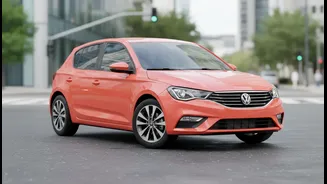
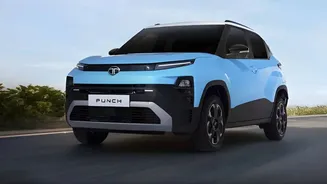
Automakers have responded swiftly to the government's mandate, and the hatchback segment—the heart of the Indian car market—has seen the most significant changes. Major manufacturers like Maruti Suzuki, Hyundai, and Tata Motors have made their entire range of popular hatchbacks E20-compliant since 2023. This means models like the Maruti Suzuki Swift, Baleno, and WagonR, the Hyundai Grand i10 Nios and i20, and the Tata Tiago and Altroz are all designed to run smoothly on the new fuel blend. These vehicles feature engines and fuel systems with materials and calibration optimized for E20, ensuring reliability and performance without the risk of corrosion or damage that could affect older, non-compliant cars.
Performance, Reliability, and Peace of Mind
Concerns about engine health and performance are top of mind for any car buyer. Manufacturers have assured the public that vehicles produced from 2023 onwards are fully E20 compatible, with no adverse effects on engine life or components. In fact, E20 fuel has a higher octane rating, which can lead to cleaner combustion and smoother performance in engines designed for it. Car companies have conducted extensive testing to ensure that E20-compliant vehicles meet all performance and durability standards. For buyers of new hatchbacks, this means they can embrace the new fuel standard with confidence, knowing their vehicle's warranty and reliability remain intact.