





Nature's Rules, Not Ours
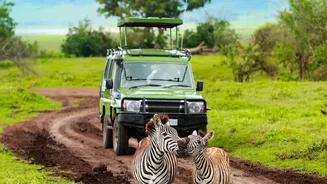
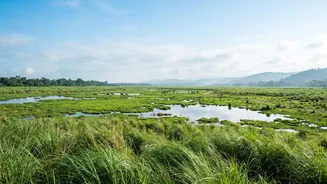
The most important thing to remember is that Kaziranga National Park is a vast, natural habitat, not a zoo. This UNESCO World Heritage Site, spanning over 430 square kilometres, is a complex ecosystem of grasslands, wetlands, and forests. The animals
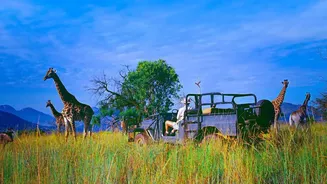
that live here—from the famous Indian rhinoceros to elephants, tigers, and wild water buffalo—are truly wild. They roam freely, driven by their own instincts for food, water, safety, and rest. Their movements are governed by the seasons, the time of day, and their own intricate social structures, not by the route of a safari jeep. This unpredictability is the very essence of a safari; every sighting is a genuine, unstaged moment of luck and perfect timing.
The Behaviour of the 'Big Five'
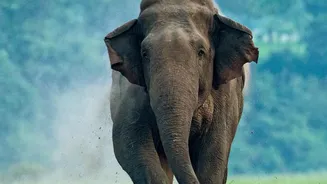
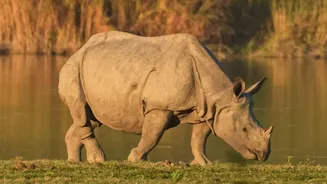
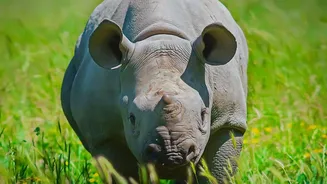
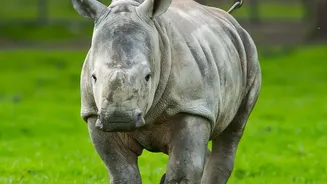
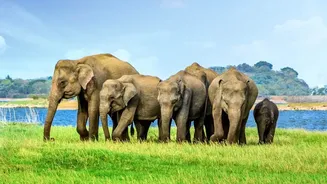
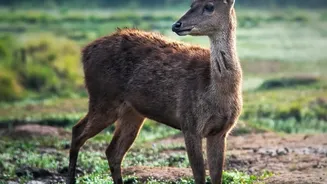
Kaziranga is celebrated for its 'Big Five': the one-horned rhinoceros, Royal Bengal tiger, Asiatic elephant, wild water buffalo, and the eastern swamp deer. While the park boasts the world's largest population of one-horned rhinos, making sightings highly probable, their behaviour is still subject to nature's whims. They might be grazing in open grasslands in the morning but retreat into dense, tall elephant grass to rest during the midday heat, making them much harder to spot. Tigers, despite their high density here, are solitary, largely nocturnal, and masters of camouflage. Spotting one often comes down to sheer luck, like finding one crossing a track or near a water body in the drier months. Elephants travel in herds and are often seen, but their migration patterns can take them across vast areas of the park.
Weather, Seasons, and Terrain
The time of year you visit plays a huge role. The park is typically open from November to April, closing during the monsoon season due to extensive flooding from the Brahmaputra River. The best visibility is often from December to March, when the weather is cool and the tall grasses have either been controlled by burning or have dried out, making it easier to see animals from a distance. Even day-to-day weather matters. On very hot days, most animals seek shelter and rest in the shade, reducing activity. Heavy rain or wind can also send animals into cover. Furthermore, Kaziranga is divided into different zones—Central (Kohora), Western (Bagori), Eastern (Agaratoli), and Burapahar—each with a unique landscape and varying animal densities. The Western Zone, for instance, has a high density of rhinos, while the Eastern Zone is a paradise for birdwatchers.
The Human Factor: Patience and a Good Guide
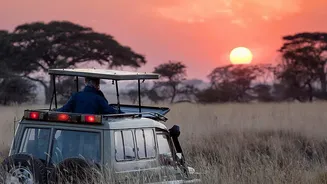
Your experience is also shaped by the human element. A knowledgeable local guide and a skilled driver are invaluable. They can read the signs of the forest—fresh tracks, alarm calls from deer or birds, and a knowledge of where certain animals were last seen. They know which water bodies are popular and which trails are favoured by tigers. But even the best guide cannot summon wildlife on command. Your own behaviour as a visitor is equally important. Maintaining silence and patience significantly increases your chances of a rewarding encounter. Loud noises can startle animals, causing them to flee before you even get a proper look. Human presence can alter animal behaviour; studies have shown that rhinos react with alertness or even flee depending on how close people get.