





The Scroll That Sparks the Journey
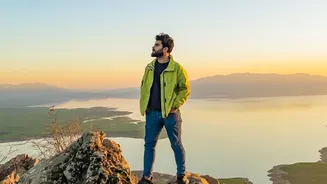
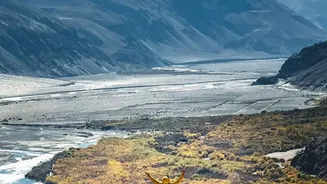
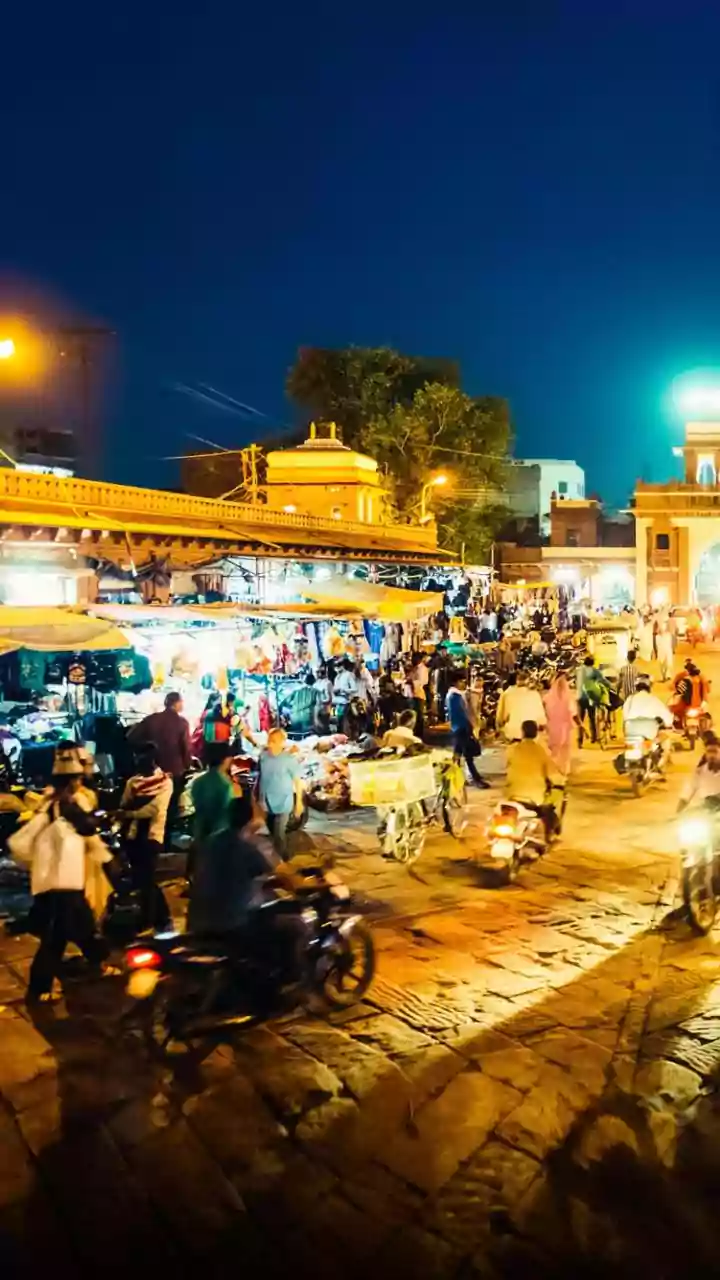
It often starts with a 30-second video: a breathtaking drone shot of a misty valley, a montage of vibrant local market stalls, or a first-person view of a trek to a serene, unknown lake. For India's Gen Z, born between the mid-90s and early 2010s, this
is the new travel brochure. Studies show that a significant majority of young Indian travellers turn to social media for trip ideas. Unlike glossy magazine spreads of the past, travel vlogs offer a sense of immediacy and relatability. They are not just selling a destination; they are selling an experience, narrated by a peer. This shift from passive consumption to active inspiration has turned platforms like Instagram and YouTube into powerful engines of discovery, capable of making a remote village the next must-visit destination.
A Quest for the 'Authentic' and Unseen
The pull towards these underrated towns is driven by a deeper generational desire for authenticity and unique experiences. Gen Z travellers are increasingly rejecting the packaged, one-size-fits-all tours that defined previous generations' holidays. A recent Airbnb report highlighted that 95% of young Indian travellers want trips to feel personal and unique. They are looking for stories, not just sights. An 'underrated' town offers a narrative of discovery and a chance to experience a place before it becomes mainstream. It is a rebellion against the commercialised and overcrowded. This generation values the small, personal moments—finding a hidden café, interacting with locals, or simply enjoying an unplanned day—over standing in line at a famous monument.
From Digital Feed to Domestic Footfall
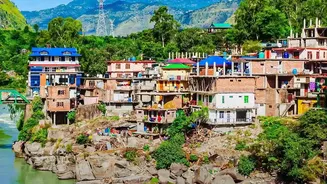
This trend has put a new set of locations on India's tourism map. While destinations like Goa, Manali, and Udaipur remain popular, they are now joined by places that were once far off the beaten path. Think of the serene backwaters of Ashtamudi in Kerala, the quiet hills of Naldehra in Himachal, or the tea plantations of Valparai in Tamil Nadu. These locations gain traction when a travel vlogger showcases their untouched beauty. The visual appeal is paramount; a place has to be 'Instagrammable' but in a way that feels genuine, not generic. Towns in states like Arunachal Pradesh, Sikkim, and Uttarakhand have seen a surge in interest, fuelled by creator-led content that provides a ready-made itinerary of homestays, local eateries, and scenic spots.
The Influencer-Curated Itinerary
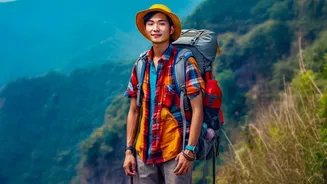
Travel creators do more than just inspire; they provide a practical roadmap. Their vlogs often include crucial details that empower spontaneous travel: the best way to get there, where to stay on a budget, and what to eat. This makes solo or small-group trips feel more accessible and less daunting. By documenting their journeys, influencers offer a template that viewers can follow, reducing the planning friction that once limited travel. This has been further amplified by government initiatives like #DekhoApnaDesh, which encourages domestic travel, creating a perfect storm where local influencers are helping to channel tourist flows towards regional destinations. For many Gen Z travellers, an influencer's recommendation carries more weight than a traditional travel agency's suggestion because it comes with a personal story.
The Double-Edged Sword of Discovery
However, this newfound popularity is not without its challenges. The very thing that makes these towns attractive—their quiet, untouched nature—is threatened when a viral Reel leads to a sudden influx of tourists. Overtourism can strain local resources, from water supply to waste management, and disrupt the local way of life. The challenge for these emerging destinations is to manage this growth sustainably. While the economic benefits are undeniable, there is a growing conversation around responsible tourism. This includes educating visitors, promoting eco-friendly practices, and ensuring that the local community is a primary beneficiary of the tourism boom, not just a backdrop for someone else's content.