







The High Cost of Food Waste
In India, household food waste is a significant issue. According to the UN's Food Waste Index Report 2024, Indian households generate an estimated 78.2 million tonnes of food waste annually, which translates to about 55 kg per person. This isn't just
about the food that ends up in the bin; it represents wasted water, energy, labour, and money. A major contributor to this problem at home is produce that spoils before it can be used. Off-season produce often has a shorter shelf-life as it may be harvested early and transported over long distances, making it more prone to spoilage.
The Flavour and Nutrition Advantage
Eating seasonally is a core principle of traditional Indian dietary wisdom, and modern science agrees. Fruits and vegetables harvested at their natural peak are fresher, more flavourful, and packed with higher nutritional value. Produce that is grown out of season or in artificial conditions simply cannot match the taste and nutrient density. For example, the vitamin C content in a tomato grown and eaten in its season can be significantly higher than one purchased in winter. This peak freshness means better-tasting curries, salads, and snacks for your family.
A Guide to India’s Seasonal Bounty
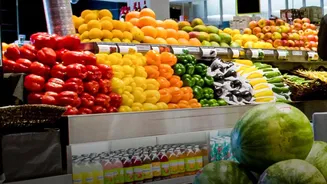
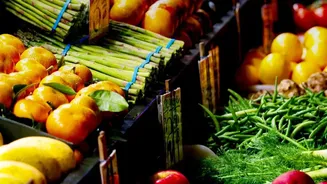
Understanding what grows when is the first step. While availability varies by region, India's distinct seasons offer a vibrant palette of produce. Summer (March-June): This season is for hydrating and cooling produce. Look for mango, watermelon, muskmelon, litchi, and jamun. Vegetables like cucumber, bottle gourd (lauki), bitter gourd (karela), and pumpkin thrive in the heat. Monsoon (July-September): The rains bring a unique variety of vegetables. This is the time for corn, okra (bhindi), cluster beans (gawar), and leafy greens like amaranth (chawli). Fruits like peaches, plums, cherries, and custard apples are also at their best. Winter (October-February): Winter offers a rich harvest of robust vegetables. This is the peak season for carrots, spinach (palak), fenugreek (methi), mustard greens (sarson), peas, cauliflower, and beetroot. Immunity-boosting fruits like oranges, sweet lime (mosambi), pomegranate, and guava are abundant.
How Seasonal Buying Reduces Waste
When produce is in season, it is abundant. This abundance leads to several waste-reducing benefits. Firstly, seasonal produce is often hardier and lasts longer because it hasn't spent days or weeks in transit and cold storage. Buying from local sources further cuts down the time from farm to plate, ensuring maximum freshness. Secondly, because the supply is plentiful, prices are generally lower, allowing you to buy what you need without stretching your budget. This prevents over-purchasing of expensive, delicate items that might go bad. Finally, eating what's fresh and available encourages quicker consumption, meaning less food languishes in the back of your fridge.
Smart Storage for a Longer Shelf Life
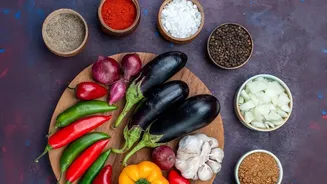
How you store your produce is as important as how you buy it. Do not wash most vegetables before storing, as excess moisture encourages spoilage. Leafy Greens: Wrap spinach, coriander, and methi in a damp cloth or paper towel and place them in the fridge. Room Temperature Heroes: Tomatoes, onions, garlic, and potatoes should be kept in a cool, dark, and dry place, but not together. Refrigeration can harm the texture and flavour of tomatoes. Fridge Storage: Use the crisper drawers for vegetables like carrots, bell peppers, and cucumbers. Keep fruits and vegetables in separate compartments. Ethylene Emitters: Fruits like apples and bananas release ethylene gas, which can cause other produce to ripen and spoil faster. Store them separately.