






What Are Natural Sweeteners?
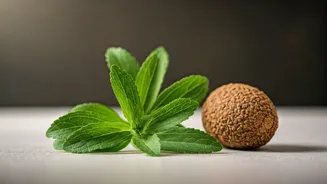
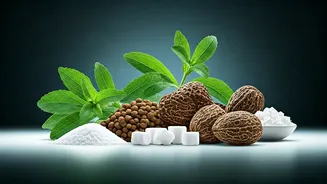
Natural sweeteners are sugar substitutes derived from plants or other natural sources. They provide a sweet taste with fewer calories and carbohydrates than regular table sugar. Unlike artificial sweeteners, which are synthesized in a lab, natural sweeteners like stevia
(from the stevia plant leaf) and monk fruit (from a small green melon) start with a natural base. They are often intensely sweet, so a little goes a long way. The category also includes sugar alcohols like erythritol and xylitol, which are found in some fruits and vegetables but are typically produced commercially through fermentation.
Why the Sudden Buzz?
The turn towards natural sweeteners is driven by a growing awareness of the health risks associated with excessive sugar intake, such as weight gain and an increased risk for conditions like type 2 diabetes and heart disease. Consumers in India and worldwide are seeking healthier alternatives that align with wellness goals. This has fueled a significant market for sugar alternatives, with companies increasingly using them in products to meet the demand for low-sugar and 'clean label' options. The availability of better-tasting and more versatile forms of these sweeteners has also made them more appealing for everyday use.
Meet the Key Players
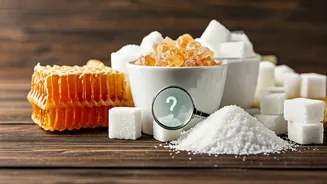
Stevia, monk fruit, and allulose are three of the most talked-about natural sweeteners. Stevia, extracted from the leaves of the Stevia rebaudiana plant, is 200-300 times sweeter than sugar and has zero calories. Monk fruit extract is also calorie-free and has a clean taste that many people prefer, though it can be more expensive. Allulose, a 'rare sugar' found in figs and dates, has about 70% of sugar's sweetness but with a fraction of the calories. It's gaining popularity in baking because it behaves very much like real sugar. Other options available in India include erythritol, coconut sugar, and traditional choices like jaggery.
The Good, The Bad, and The Nuanced
The primary benefit of many natural sweeteners is their minimal impact on blood sugar and insulin levels, making them a suitable option for people managing diabetes or on low-carb diets. However, they aren't without potential downsides. Some people find that stevia has a bitter or metallic aftertaste. Certain sugar alcohols, like erythritol, can cause bloating and digestive discomfort in some individuals when consumed in large amounts. Furthermore, recent research has raised concerns about a potential link between high levels of erythritol in the blood and an increased risk of heart attack and stroke, though more studies are needed to understand this relationship fully.
Are They Truly 'Natural'?
The term 'natural' can be misleading. While these sweeteners originate from natural sources, they often undergo significant processing to be extracted, purified, and stabilized for commercial use. For example, the sweet compounds from stevia leaves are extracted and purified to create the powdered or liquid sweetener you find in stores. Similarly, erythritol is commercially produced by fermenting corn. So, while the starting material is natural, the final product is a highly refined ingredient. This is a key distinction from simply eating a piece of fruit.