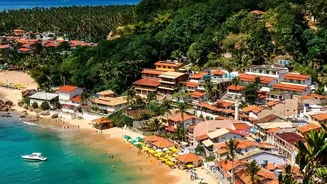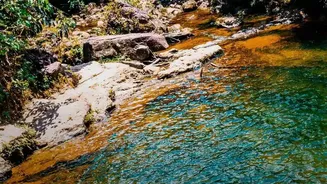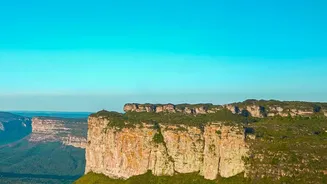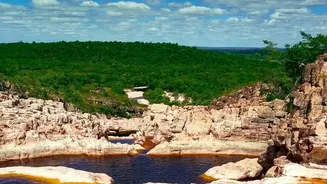



Chapada Diamantina: A World of Plateaus and Waterfalls
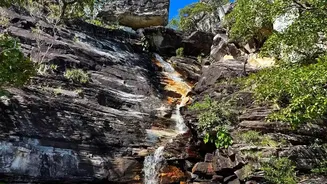
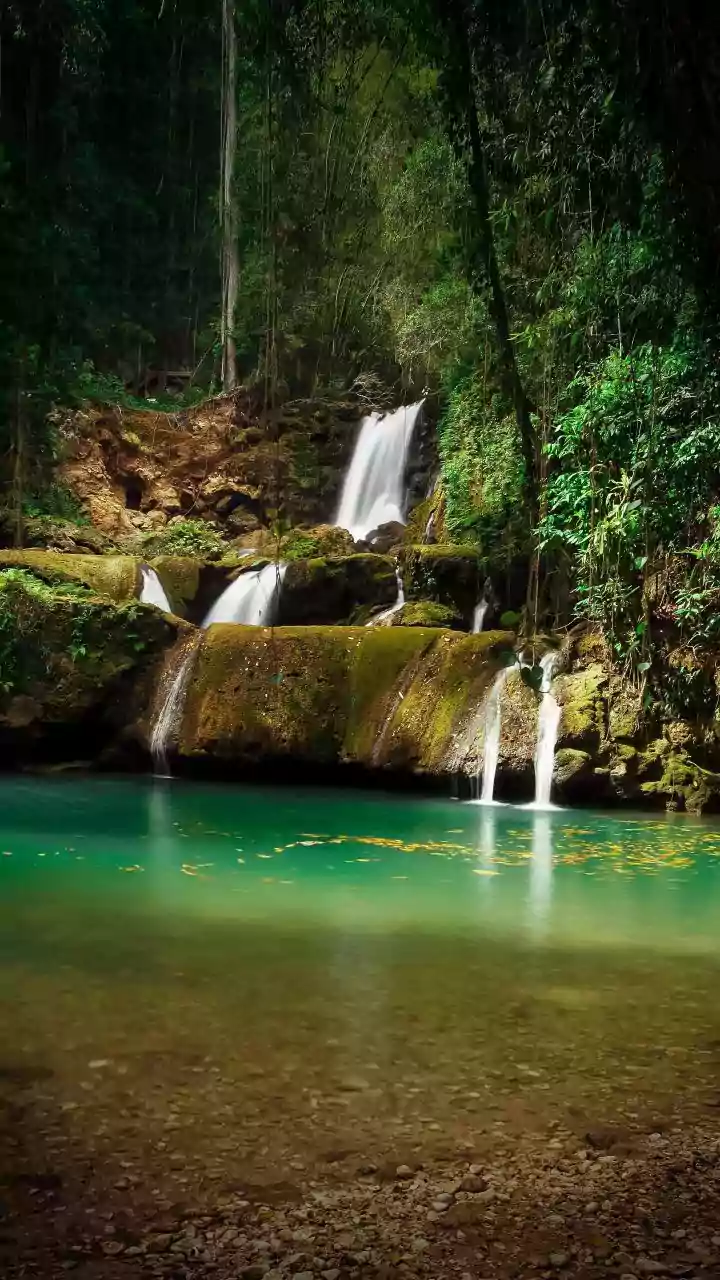
Chapada Diamantina National Park, located in the heart of Bahia state, is a vast expanse of dramatic table-top mountains, deep canyons, hidden caves, and some of Brazil's most impressive waterfalls. Often described as a 'lost world', its rugged beauty
and extensive network of trails make it a paradise for hikers, adventurers, and nature lovers. The main gateway to the park is the charming colonial town of Lençóis, a former diamond-mining hub with cobblestone streets and colourful buildings that serves as the perfect base for explorations. From here, you can arrange tours and treks to the park's most iconic sights, from multi-day hikes through the remote and stunning Vale do Pati to day trips to thundering waterfalls.
Must-See Sights in Chapada Diamantina
The park's attractions are as diverse as its landscape. A classic experience is the short but steep climb up Morro do Pai Inácio to watch the sunset cast a golden glow over the panoramic plateau views. Another highlight is Cachoeira da Fumaça, or 'Smoke Waterfall', one of Brazil's tallest, where the water plummets over 340 meters and often evaporates into a fine mist before reaching the bottom. For a truly unique experience, visit the park's famous underground pools. Poço Encantado ('Enchanted Well') is a massive subterranean cave pool with water so clear it’s almost invisible. Nearby, at Poço Azul ('Blue Well'), you can float in the crystalline blue waters inside a cave, an unforgettable experience.
Planning Your Chapada Diamantina Trip
Getting to Chapada Diamantina typically involves flying into Salvador (SSA) and then taking a six-hour bus or car ride to Lençóis. The best time to visit depends on your priorities. The dry season, from May to September, offers ideal conditions for hiking with safer trails and clearer skies. The rainy season, from October to April, is when the waterfalls are at their most powerful and the landscape is at its most lush and green. No matter when you go, pack sturdy hiking boots, swimwear, light layers, and sunscreen.
Lençóis Maranhenses: An Ocean of Sand and Water
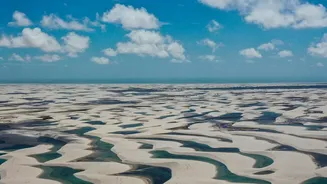
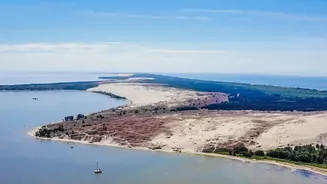
In northeastern Brazil, in the state of Maranhão, lies a landscape unlike any other on Earth: Lençóis Maranhenses National Park. This protected area features vast expanses of sweeping white sand dunes that stretch for miles. But this is no ordinary desert. For half the year, seasonal rains fill the valleys between the dunes, creating thousands of crystal-clear, freshwater lagoons in brilliant shades of blue and green. Exploring this surreal, dream-like environment involves riding in 4x4 vehicles across the sandy terrain and then hiking over the dunes to swim in the pristine, temporary pools.
Exploring the Dunes and Lagoons
The experience of visiting Lençóis Maranhenses is highly dependent on the season. The absolute best time to go is from June to September, right after the rainy season, when the lagoons are at their fullest and most spectacular. Outside of this window, from November to January, many of the lagoons dry up completely. The main gateway towns are Barreirinhas, Atins, and Santo Amaro, each offering a different vibe. Barreirinhas has the most infrastructure, while Atins offers a rustic-chic beach feel and Santo Amaro is known for being close to some of the most beautiful lagoons. Tours typically visit circuits named after the main lagoons, such as Lagoa Azul and Lagoa Bonita, both of which are breathtaking. For a truly unique perspective, scenic flights over the park reveal the incredible scale and beauty of the dune-and-lagoon patchwork.
How to Visit Lençóis Maranhenses
To reach this remote paradise, most travellers fly into São Luís (SLZ) and then take a 4-5 hour transfer by bus or private vehicle to Barreirinhas. From there, all excursions into the park must be with a registered guide and a 4x4 vehicle, as navigating the unmarked dunes is impossible for visitors. Life in the gateway towns is simple, and it's wise to bring cash, as ATMs can be scarce and card connectivity unreliable. Packing should include swimwear, high-SPF sunscreen, a hat, sunglasses, and light clothing to protect from the intense sun.