




India is on the cusp of a digital infrastructure revolution, with over Rs 3 lakh crore in investments expected to flow into its data centre industry by 2030. This boom is set to redefine the nation's digital backbone. But can it succeed?
The Digital Tsunami
Behind every video
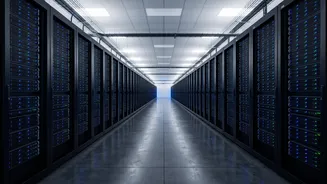
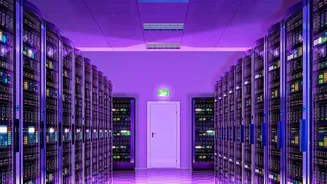
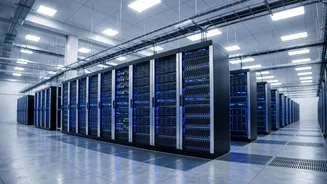
stream, online payment, and cloud-saved file is a data centre—a vast, power-hungry warehouse of servers that forms the physical backbone of the internet. India's digital appetite is growing at an exponential rate, fuelled by widespread enterprise digitalisation, the rollout of 5G, and a surge in data consumption. This has triggered an unprecedented 'gold rush' for data centre capacity. Projections from credit rating agency Crisil suggest India's installed capacity could surge five-fold to around 7.5 gigawatts (GW) by 2030, a massive leap from current levels. This expansion is driven by 'hyperscalers'—tech giants that require enormous computing power—and the burgeoning field of generative artificial intelligence (GenAI), which demands intensive data processing.
Unpacking the Rs 3 Lakh Crore Boom
The headline figure of Rs 3 lakh crore is not just a speculative number; it represents a tidal wave of capital expenditure planned over the next several financial years. This investment is flowing into building new facilities, upgrading existing ones, and acquiring the expensive IT hardware needed to run them. Encouragingly, this isn't just speculative building. Reports indicate that nearly half of the upcoming capacity is already pre-booked under long-term contracts, some extending up to 15-20 years. This provides revenue certainty for developers and de-risks these capital-intensive projects. India's competitive advantages, such as development costs that are roughly 20% lower than in other Asia-Pacific markets and 30-35% lower rental rates, make it an attractive destination for global capital.
The Power Conundrum
However, this digital dream runs on electricity—lots of it. A data centre's biggest operational challenge and cost is securing a stable, uninterrupted power supply. As capacity grows, so does the strain on local and national power grids. Data centres could account for 1-2% of India's total electricity consumption within the next decade, a significant jump from the current 0.5%. In some of the densest data centre hubs, the power demand from these facilities alone could equal a substantial fraction of the city's entire peak electricity demand. This makes timely power connectivity the single most critical bottleneck for the industry's growth. The challenge isn't just about availability, but also the speed of delivery and the complex regulatory approvals needed to connect a new facility to the grid. This has led to local opposition in some areas over concerns about the strain on public resources like power and water.
Mapping India's Data Hubs
The investment is not spread evenly across the country. Instead, it is concentrated in strategic clusters. Mumbai, with its robust power infrastructure and as a landing point for numerous international submarine cables, remains India's undisputed data centre capital. However, other cities are rapidly emerging as major hubs. Chennai, a key gateway for connectivity to Southeast Asia, is a preferred destination for hyperscalers. Meanwhile, Hyderabad and Visakhapatnam are also attracting significant investment, with nearly threendfourths of the upcoming 6 GW of capacity expected to be concentrated in these key cities along with Mumbai. The growth of these hubs is crucial for reducing latency and bringing data processing closer to users across the country, but it also intensifies the regional challenges related to power and other resources.