

The EV Commuter’s Dilemma
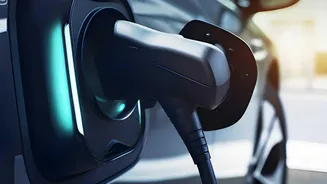
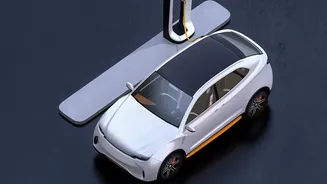
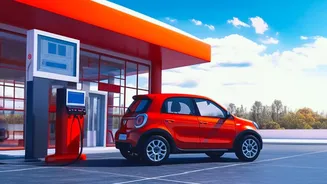
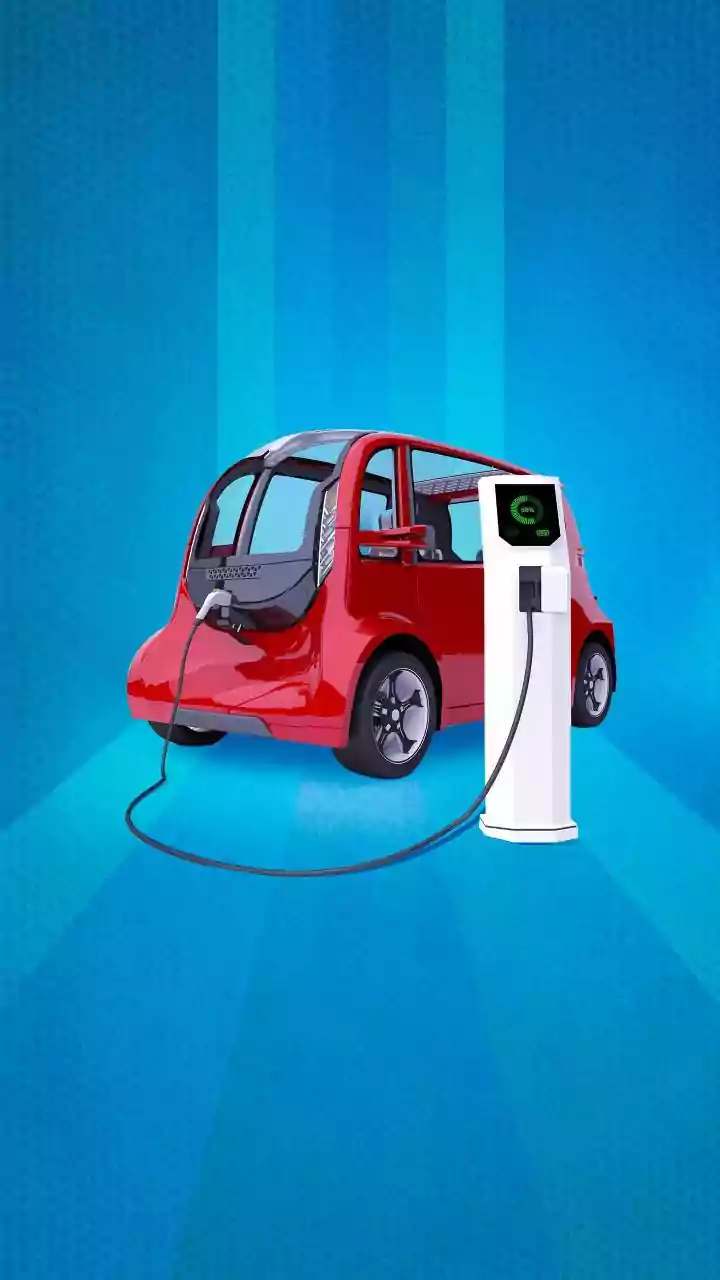
For anyone considering an electric vehicle in India, two questions loom large: “How far can I go?” and “How long will it take to charge?” While home charging works for overnight top-ups, the 30-to-60-minute wait at a public fast-charger can feel like
a lifetime, especially on a busy day. This is known as range anxiety, and it's a significant barrier to mass EV adoption. Current electric cars almost exclusively use lithium-ion batteries, which have served us well but have their limits. The liquid electrolyte inside them can be flammable, can degrade over time, and fundamentally limits how quickly they can safely absorb power without overheating. This chemical bottleneck is why even the fastest chargers today still require a significant stopover.
Enter the Solid-State Solution
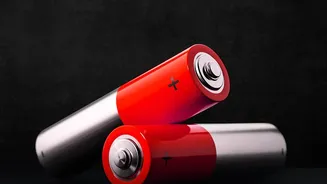
Imagine replacing the liquid core of a battery with a stable, solid material. That’s the core innovation behind solid-state batteries. These next-generation power cells swap the flammable liquid electrolyte for a solid one, often made of ceramic, polymer, or sulfide-based materials. This simple-sounding change has massive implications. Without a liquid that can overheat or cause short circuits, the entire battery becomes safer and more stable, especially in India's demanding hot climate. More importantly, this solid structure is like replacing a winding country road with a multi-lane expressway for electricity. It allows energy to flow in and out much more efficiently.
Unlocking Superfast Charging Speeds
The true magic of a solid electrolyte is its ability to handle immense electrical currents without breaking down. Because there's no liquid to boil or decompose, a solid-state battery can be charged at incredibly high speeds. While today's fastest EVs might take 30 minutes for an 80% charge, companies developing solid-state technology are reporting lab results of 80% charge in just 10 to 15 minutes. Some have even claimed a full charge in under 10 minutes. This is possible because the solid structure prevents the growth of 'dendrites'—tiny metallic whiskers that can cause short circuits in lithium-ion batteries during fast charging. For a daily commuter, this transforms the charging experience from a lengthy planned stop into a quick pit-stop, similar to filling a tank with petrol.
More Than Just Speed
The benefits of solid-state chemistry don't stop at charging. Because they are more stable, these batteries can use more advanced materials, like pure lithium metal anodes, to store significantly more energy in the same amount of space. This is measured in energy density. While current lithium-ion batteries offer around 250-300 Watt-hours per kilogram (Wh/kg), commercial solid-state batteries are targeting 400-500 Wh/kg. This could mean an EV that currently gets 400 km of range could travel 600 km or more with a battery of the same size and weight, effectively eliminating range anxiety for all but the longest of journeys. They are also fundamentally safer, with a much lower risk of fire, and perform better in extreme temperatures.
The Road to Indian Showrooms
So, when can you expect to buy a car with this technology? The transition is already beginning. While early versions are appearing in smaller applications like drones, major automotive players like Toyota, Samsung SDI, and CATL are racing to commercialise them for cars. Most industry forecasts suggest small-scale production will begin around 2027-2028, with mass-market availability closer to 2030. The initial hurdles are high manufacturing costs and the complexity of scaling up production from the lab to the factory floor. In India, the government's push for local battery manufacturing through initiatives like the PLI scheme for Advanced Chemistry Cells is expected to help domesticate this technology. It's likely we'll see solid-state batteries appear in luxury EVs first before the costs come down enough for mass-market models.