

Choose an Earth-Friendly Idol
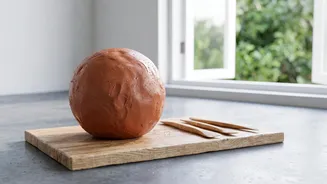
The heart of the festival is the Ganesha idol, and making a sustainable choice here is the most significant step. Traditionally, idols were made of river clay, returning to the earth upon immersion. However, the widespread use of Plaster of Paris (PoP)
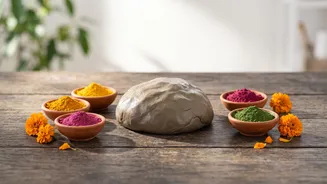
idols has led to significant water pollution. PoP is non-biodegradable and takes months to dissolve, releasing chemical paints and heavy metals like lead and mercury that harm aquatic life. For Ganesh Chaturthi 2026, opt for an idol made from natural clay (shadu mati). These idols dissolve cleanly in water. You can also find creative options like idols made from turmeric, paper mache, or even ones embedded with seeds that can be planted after the festival, allowing Bappa to bless your garden.
Decorate with Natural Materials
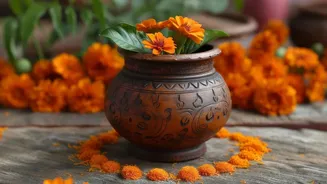
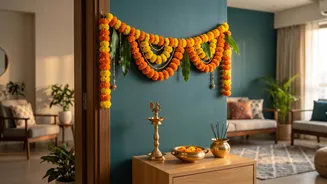
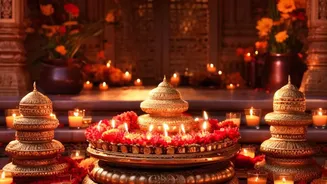
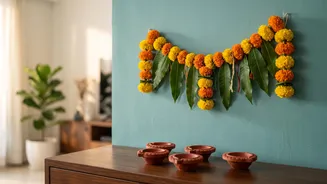
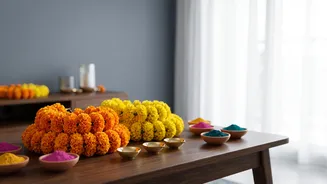
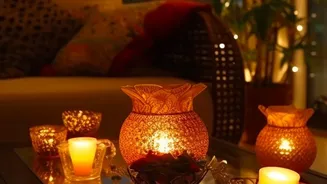
Festive decorations bring joy and colour, but often at the cost of using single-use plastics and thermocol. This year, embrace natural decor that is both beautiful and biodegradable. Use fresh flower garlands, especially marigolds and jasmine, and create a traditional backdrop (makhar) with mango or banana leaves. Instead of plastic streamers, consider creating torans from cloth scraps, jute, or paper. For rangoli, use natural powders like rice flour for white, turmeric for yellow, and kumkum for red, or arrange colourful flower petals. Lighting can also be sustainable. Prioritise traditional earthen diyas over electric string lights, or use energy-efficient LED lights and remember to switch them off when not needed.
Serve Prasad Mindfully
Hospitality is central to Ganesh Chaturthi, with prasad and meals shared among family and community. This often generates a large amount of waste from disposable cutlery and plates. To minimise this, serve food on reusable steel or ceramic plates. For a more traditional and completely biodegradable option, use banana leaves. Avoid single-use plastic cups and bottles by serving water in steel tumblers. When preparing food, plan portions to reduce food waste, and consider donating any excess sweets or bhog to local shelters or neighbours. This act of sharing extends the spirit of the festival beyond your home.
Plan a Gentle Visarjan (Immersion)
The visarjan ritual symbolises Lord Ganesha's return journey, representing the cycle of life. However, immersing PoP idols in lakes, rivers, and seas causes significant pollution. An eco-friendly idol allows for a gentle and personal visarjan at home. You can immerse your clay idol in a bucket or tub of water. The clay will dissolve within a few hours, and this nutrient-rich water can then be poured into your garden or potted plants, completing a beautiful natural cycle. Some communities also set up artificial tanks for immersion, which is another great way to prevent the pollution of natural water bodies. If you have a permanent metal idol, you can perform a symbolic immersion by submerging a betel nut in its place.
Manage Nirmalya and Other Waste
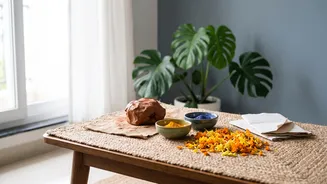
After the festivities, the final act of a low-waste celebration is responsible waste management. The offerings of flowers, garlands, and other organic materials, known as nirmalya, should not be mixed with general waste. These can be composted at home. Create a small compost pit in your garden or use a dedicated composting bin. This turns the sacred offerings into nutrient-rich manure for your plants. For other waste, ensure you segregate it properly into dry and wet categories as per your local municipality's guidelines. By managing this final step thoughtfully, you ensure your celebration leaves behind only blessings, not pollutants.