






Just How Weak Was the 2026 Monsoon?
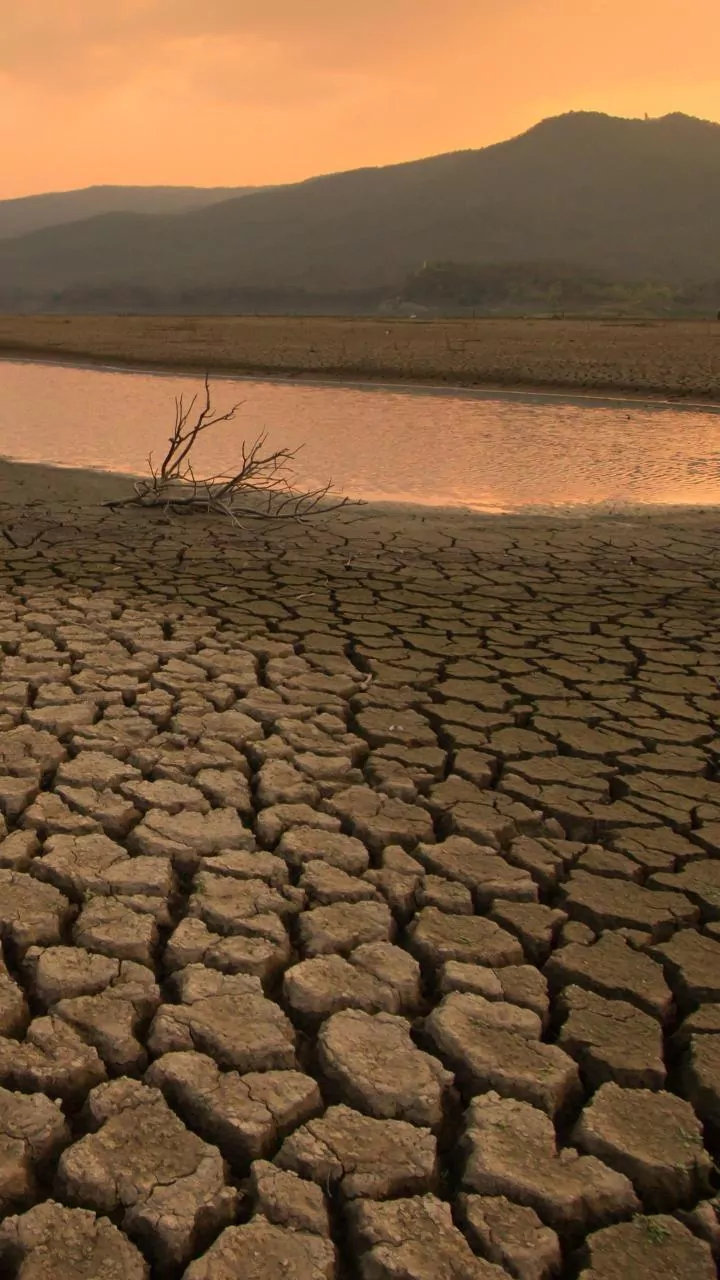
India's southwest monsoon for 2026 concluded with a significant rainfall deficit of around 12.6% to 13% below the long-period average, marking it as the weakest monsoon season since 2015. This shortfall, largely attributed to strengthening El Niño conditions,
was not uniform across the country. While Central India received relatively normal rainfall, other key agricultural regions faced much larger deficits. Southern Peninsular India and the East & Northeast regions were severely affected, with shortfalls around 24-25%. Several states, including Karnataka, Maharashtra, Andhra Pradesh, Telangana, and Rajasthan, experienced extended dry spells, with some areas facing deficits as high as 35-40%. This uneven distribution is critical because it directly impacts regions vital for crop production.
From Fields to Your Plate: The Inflation Link
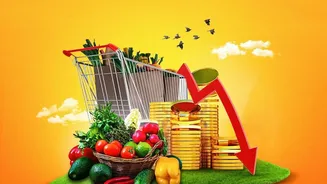
The connection between a poor monsoon and your grocery bill is straightforward: a lack of rain stresses crops, reduces yields, and shrinks the overall supply of food. When supply dwindles and demand remains steady, prices naturally rise. More than half of India's cultivated land is rain-fed, making the monsoon the lifeblood of its agricultural sector. The 2026 deficit is particularly concerning as dry spells in September hit many Kharif (monsoon) crops during their crucial reproductive and yield-forming stages. While overall sowing of Kharif crops was only slightly below normal levels, good sowing does not guarantee good output when moisture is scarce. This sets the stage for a potential spike in food inflation, a worry that has already been flagged by economists and the Reserve Bank of India.
Which Staples Are Most at Risk?
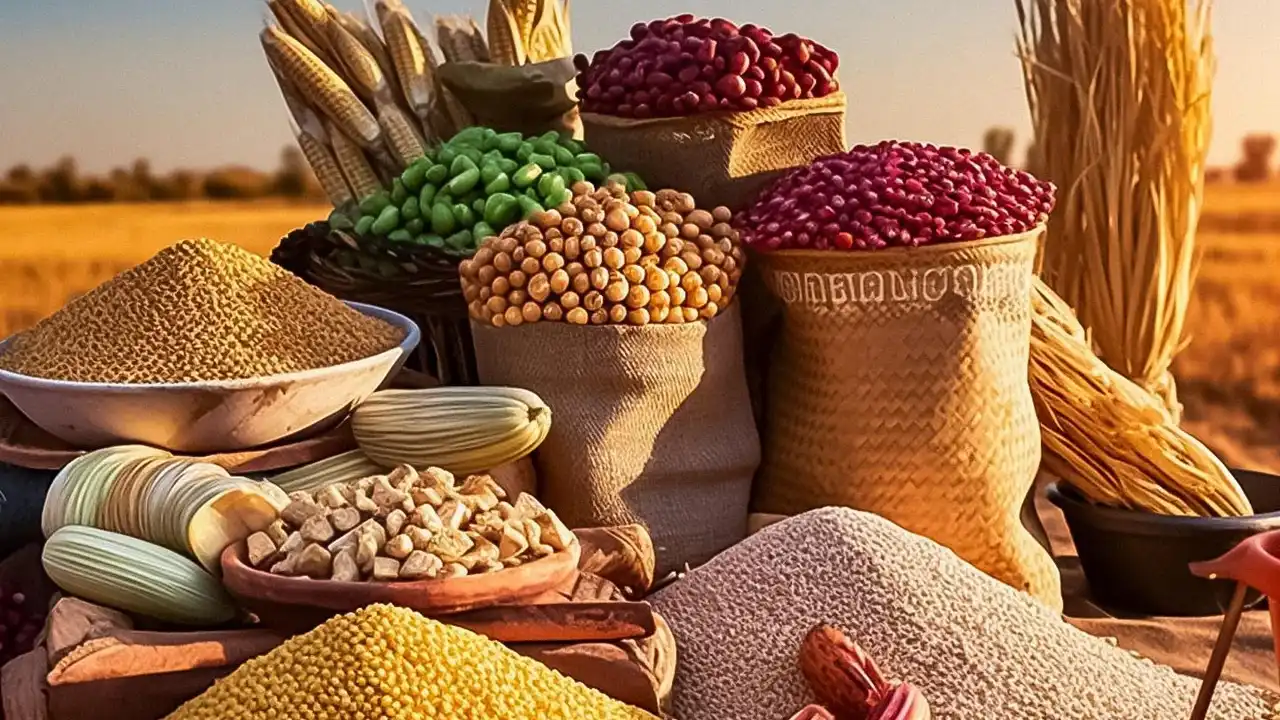
The impact will likely be felt across several essential food items. Pulses, which are predominantly grown in rain-fed areas, are highly vulnerable. Key staples like paddy (rice), cotton, and soybean have also faced significant moisture stress, especially in water-stressed southern and eastern agricultural belts. The national area sown for rice saw a notable decline, with sharp drops in states like Karnataka. Experts have warned that rice output could be significantly lower than the previous year. Similarly, pulses like arhar (pigeon pea) and moong have seen a drop in acreage. As a result, consumers may see higher prices for dal, rice, and edible oils in the coming months. Concerns are also rising for the upcoming Rabi (winter) crop season, as the monsoon deficit affects soil moisture and reservoir levels needed for planting crops like wheat and mustard.
What Can the Government Do?
New Delhi is on high alert to manage the economic fallout. The government has a number of tools at its disposal to curb price rises and ensure food security. These include releasing buffer stocks of grains like wheat and rice to increase market supply, placing restrictions on exports of key commodities to keep them within the country, and cracking down on hoarding by traders looking to profit from shortages. In response to the expected drop in pulse production, the government is already contemplating reducing import tariffs on items like yellow peas and lentils to make them cheaper to bring in from overseas. Such measures are crucial to stabilise domestic supplies, especially with heightened demand during the festive season.