





The Obvious Connection: Transport and Packaging
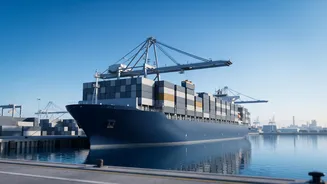
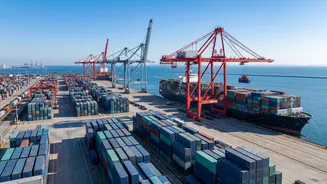
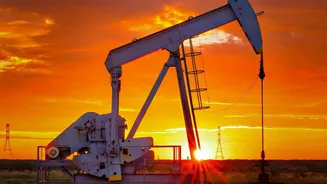
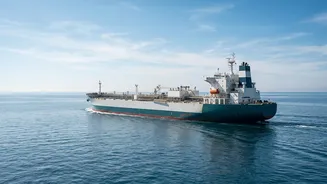
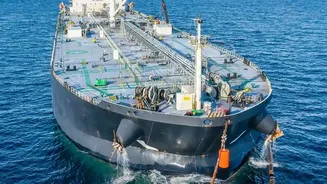
The most direct link between crude oil and your kitchen staples is logistics. India imports a vast majority of its crude oil and over half of its edible oils. These commodities travel thousands of kilometres across oceans and land to reach our refineries
and, eventually, our local stores. When global crude oil prices rise, the cost of bunker fuel for ships and diesel for trucks increases. This makes transportation more expensive at every step. Consequently, the landed cost of imported palm, sunflower, or soybean oil goes up, and companies pass this extra expense on to consumers. Furthermore, most cooking oil is sold in plastic bottles or pouches, and plastic is a direct byproduct of petroleum. Higher crude prices translate to more expensive packaging materials, adding another layer to the final retail price.
The Farming Factor: Fertilizers and Fuel
The impact of crude oil starts long before the oil is shipped; it begins in the farmer's field. Modern agriculture is energy-intensive. The production of nitrogen-based fertilizers, crucial for growing oilseed crops like mustard and soybean, heavily relies on natural gas, whose price is often linked to crude oil. When energy prices are high, fertilizer becomes more expensive for farmers, increasing their input costs. This either squeezes farmers' margins or leads to higher prices for their harvested oilseeds. Additionally, farm equipment, from tractors to irrigation pumps, runs on diesel. A spike in fuel prices directly inflates the cost of cultivation, contributing to a higher base price for the raw materials that will eventually become cooking oil.
The Biofuel Bridge: Fuel vs. Food
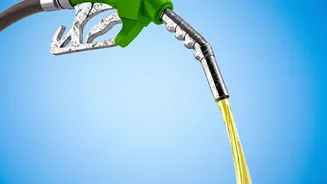
A crucial, and increasingly significant, link is the growing demand for biofuels. When crude oil becomes expensive, producing biodiesel from vegetable oils like palm and soybean becomes more economically attractive for countries looking to reduce their reliance on fossil fuels. Major palm oil producers like Indonesia and Malaysia, for example, have mandates to blend a certain percentage of palm oil into their diesel. When these mandates are increased or when high crude prices make biofuel more profitable, a larger portion of the global vegetable oil supply is diverted from food to fuel production. This reduces the amount of edible oil available for export, tightening the global market and driving up prices for food importers like India. Essentially, your cooking oil ends up competing with diesel tanks for the same raw material.
Geopolitics and Government's Hand
Global conflicts and political decisions play a massive role. A war in a major oil-producing region can send crude prices soaring overnight, triggering all the effects mentioned above. For instance, conflicts in the Middle East or Eastern Europe can disrupt shipping routes, increase insurance costs, and create supply uncertainty for both crude and sunflower oil. In response to price volatility, the Indian government often steps in. To protect consumers from sharp price rises, it may lower import duties on edible oils. Conversely, to support domestic farmers, it might raise these duties when international prices fall too low. These policy decisions, while intended to create stability, mean that the final price you pay is constantly influenced by a delicate balance between global market forces and domestic policy priorities.