



The Lure of Treetop Living
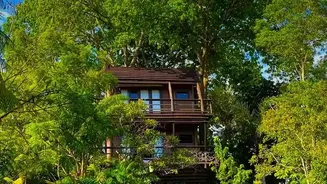
Wayanad, with its dense rainforests, rolling hills, and sprawling plantations, offers the perfect backdrop for accommodations that immerse you in the environment. Treehouses have become an iconic part of this experience, allowing travellers to disconnect
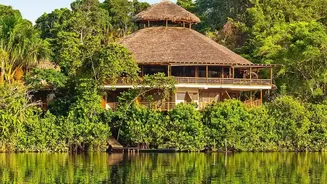
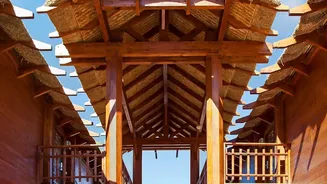
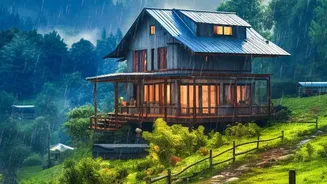
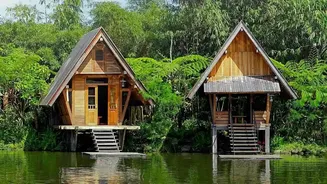
from the world below and live, even if briefly, among the birds and branches. Resorts have elevated this rustic concept into a form of eco-luxury. At properties like Vythiri Resort, these aren't just simple shacks; they are thoughtfully designed structures. Often built by indigenous artisans using locally sourced materials like bamboo, they are constructed to blend seamlessly into the forest. The architecture frequently minimizes its footprint, sometimes rising on stilts to leave the forest floor and its natural drainage patterns undisturbed. This approach prioritizes the guest’s experience of nature by first prioritizing the health of the ecosystem itself.
The Paradox of Water in a Land of Rain
It might seem strange to talk about water conservation in Kerala, a state blessed with two powerful monsoon seasons. Wayanad receives an average annual rainfall of over 2,300 mm. Yet, like many parts of the region, it can face water stress during the hot, dry summer months. The issue isn’t the volume of rain, but what happens to it. Much of the intense monsoon rainfall becomes surface runoff, quickly flowing away into streams and rivers before it can adequately replenish the groundwater table. For resorts catering to guests year-round, ensuring a stable water supply without depleting local sources is a major operational and ethical challenge. This is where traditional wisdom and modern engineering converge, turning a problem into a resource.
Harvesting the Monsoon
Eco-conscious resorts in Wayanad tackle this water paradox with a simple yet effective solution: rainwater harvesting. The process is straightforward but impactful. The large roofs of villas, restaurants, and other buildings act as catchments. During a downpour, gutters and pipes channel this water, which is then filtered to remove leaves and sediment. From there, it’s directed into large underground storage tanks or sumps. This stored water can be used for a variety of non-potable purposes, such as flushing toilets, gardening, and laundry, significantly reducing the resort’s reliance on groundwater or municipal supplies. Some systems also focus on recharging groundwater by directing the filtered rainwater into open wells or specially designed recharge pits, helping to restore the local aquifer. It’s a closed-loop system that respects the natural water cycle.
A Blueprint for Green Hospitality
Several Wayanad resorts serve as living examples of this synergy. At AfterTheRains, villas perched on stilts feature rainwater harvesting systems that feed underground reservoirs, with the water used for everything from showers to irrigating gardens. The resort also uses landscaped drainage channels called bioswales to slow runoff and improve groundwater absorption. Similarly, Wayanad Silverwoods has made rainwater harvesting a core part of its sustainable practices. Vythiri Resort, known for its treehouses, complements its eco-architecture with the use of natural spring water and solar energy, demonstrating a holistic approach. These establishments prove that providing a luxurious guest experience doesn't have to come at an environmental cost. Instead, the sustainable practices themselves become part of the unique, high-quality experience.
More Than Just Water and Wood
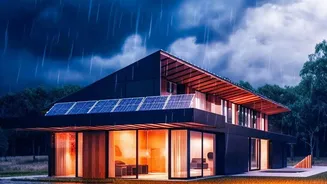
The commitment to sustainability in Wayanad extends far beyond just treehouses and water tanks. It's a comprehensive philosophy. Many resorts operate on a farm-to-table model, growing organic vegetables, fruits, and spices on their properties, which reduces food miles and ensures fresh, preservative-free meals. Solar panels are commonly used to heat water, reducing reliance on the power grid. Waste management is another crucial pillar, with strict protocols for segregating waste, composting organic matter, and eliminating single-use plastics in favour of reusable alternatives like glass, steel, and bamboo. Furthermore, these resorts often become partners in the local economy by providing employment to community members, including those from indigenous tribes, and supporting local producers.