
The New Festive Budget Reality
This year, the festive season coincides with a noticeable pinch in household budgets across India. Key ingredients that are staples of festive hampers have seen significant price hikes. According to recent data, essentials like sugar, edible oils, and
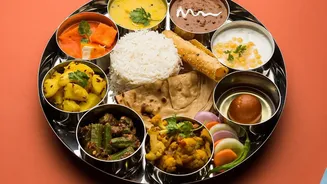
dry fruits have become costlier. For example, prices for pistachios have jumped as much as 60 to 70 percent compared to last Diwali, with almonds up around 25 percent. This is a result of a combination of factors, including supply chain disruptions and a weaker rupee making imports more expensive. Even the cost of preparing everyday meals has increased, with a standard vegetarian thali seeing a 10% year-on-year price rise in September. This economic pressure is forcing many to rethink how they approach the traditionally lavish expense of festive gifting.
The Shift to Smart and Savvy Swaps
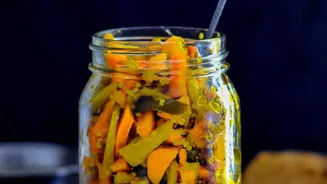
Instead of abandoning the tradition, families are adapting with intelligence and creativity. The focus is shifting from sheer quantity to thoughtful quality. A popular strategy is 'smart swapping'—exchanging expensive, commercially produced items for local, seasonal, and equally delightful alternatives. For instance, instead of imported chocolates and cookies, many are opting for regional specialities. Think beautifully packaged homemade sweets, namkeen, or pickles. These not only cut costs but also add a unique, personal touch that mass-produced items lack. The trend is moving towards smaller, more curated baskets that feel special rather than just being large and filled with generic items. This approach values the sentiment behind the gift more than its monetary worth.
The Rise of the DIY Gift Hamper
The Do-It-Yourself (DIY) movement has found a special place in festive gifting. Assembling a gift basket at home provides complete control over costs and contents. Families are creating hampers filled with homemade treats like ladoos, barfi, baked goods, or even spice mixes. This not only makes the gift deeply personal but also becomes a joyful pre-festive activity for the family. The beauty of a DIY hamper is its flexibility. It can be tailored to the recipient’s tastes, whether they are a tea lover, a health enthusiast, or have a sweet tooth. Many are also turning to eco-friendly packaging, using reusable cloth bags, bamboo baskets, or decorated cardboard boxes, adding another layer of thoughtfulness.
Thinking Beyond Edibles
Another growing trend is to look beyond food items. With gourmet food and gifting being a planned expense for about 39% of urban households this season, many are diversifying the contents of their baskets. Non-perishable, budget-friendly items are becoming popular additions. These can include decorative diyas, scented candles, small plants, handmade soaps, or artisanal stationery. These items have a longer life than food products and serve as a lasting reminder of the festive occasion. A mixed hamper, featuring a few select edible treats alongside a non-food gift, strikes a perfect balance between tradition and practicality, making the gift feel both generous and considered. This strategy allows for a beautiful presentation without relying solely on increasingly expensive food products.