







Jamun: The Indian Blackberry
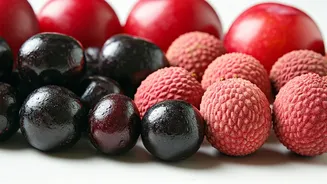
This deep-purple, glossy fruit is a true monsoon gem. With a unique sweet, sour, and slightly astringent taste, Jamun is a seasonal favourite across India. It’s not just delicious but also packed with nutrients that help boost immunity and aid digestion,
which can be particularly useful during the monsoon season. When buying Jamun, look for plump, dark, and firm fruits without any soft spots or blemishes. They are highly perishable, so it's best to consume them within a day or two. Store them in the refrigerator, but only wash them right before you plan to eat them to prevent them from becoming mushy. Enjoy them fresh with a sprinkle of black salt, or use them to make a refreshing juice or a tangy chutney.
Peaches and Plums: Stone Fruit Stars
July is a great month to enjoy stone fruits like peaches (Aadoo) and plums (Aloo Bukhara). Peaches, with their fuzzy skin and juicy, sweet flesh, are perfect for eating fresh or adding to desserts. Plums offer a tarter flavour and are excellent for making jams, sauces, or simply enjoying as a snack. When selecting, choose fruits that are fragrant and give slightly when gently pressed. Harder fruits will ripen at room temperature over a few days. Store ripe stone fruits in the refrigerator to keep them fresh for longer. Both are excellent sources of antioxidants and can help with detoxification and improving skin health.
Corn: The Ultimate Monsoon Snack
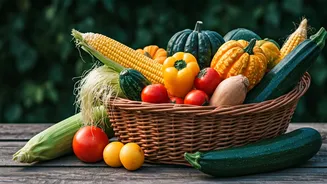
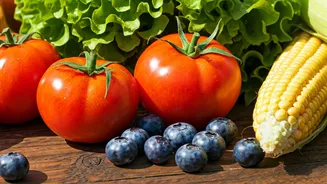
The sight and smell of roasted corn, or 'bhutta', is synonymous with the Indian monsoon. This versatile vegetable is at its sweetest and most tender during this season. When purchasing, look for cobs with bright green, moist-looking husks and plump, milky kernels. Peel back a small section of the husk to check. To store, keep the husks on and place the cobs in the refrigerator; this helps retain their sweetness. Use them within a couple of days for the best flavour. Besides roasting them over coals and rubbing them with lemon and masala, you can boil the kernels to use in salads, soups, or simple vegetable stir-fries.
Gourds Galore: Lauki, Turai, and Karela
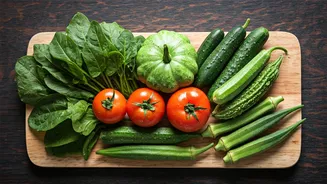
The rainy season brings a wonderful variety of gourds. Bottle gourd (Lauki), ridge gourd (Turai), and bitter gourd (Karela) are staples in Indian kitchens during this time. These vegetables thrive in the humid weather and are known for being light on the stomach and easy to digest. When buying gourds, choose ones that are firm, slender, and have unblemished skin. Avoid any that are soft or discoloured. They can be stored in the refrigerator's vegetable drawer for up to a week. Lauki and turai are perfect for simple curries and dals, while karela, despite its bitterness, is prized for its health benefits and can be made into a delicious stuffed or fried dish.
Cherries: A Fleeting Treat
While their season is brief, fresh cherries make an appearance in many markets during the monsoon. These small, vibrant red fruits have a delightful sweet and sour flavour profile. They are packed with antioxidants and can even help improve sleep quality. Look for cherries that are firm, plump, and have a deep, rich colour. Avoid any that are bruised or soft. Store them unwashed in a breathable bag in the refrigerator and they should last for a few days. Cherries are best enjoyed fresh on their own but also make a wonderful addition to yoghurt, cakes, and other desserts.
Late-Season Mangoes
Just when you think mango season is over, late-ripening varieties like Chausa and Langra make their appearance, especially in North India. These mangoes are incredibly sweet and fragrant, offering one last chance to enjoy the king of fruits. When picking these varieties, rely on your nose—a sweet, fruity aroma near the stem is a great sign of ripeness. The fruit should also yield slightly to gentle pressure. Mangoes are best stored at room temperature until ripe and can then be moved to the refrigerator for a few days. Enjoy them sliced, in a lassi, or as Aamras.