






Choose Your Fabrics Wisely
The foundation of a light monsoon bag is not packing less, but packing smarter materials. The enemy in the rainy season is dampness and humidity, which makes heavy fabrics like denim and thick cotton impractical as they take forever to dry. Instead, build
your wardrobe around lightweight, breathable, and quick-drying fabrics. Synthetic materials like polyester, nylon, and rayon are excellent choices because they repel water and dry quickly, preventing that perpetually damp feeling. Natural options like linen and lightweight cottons (think voile or mulmul) are also fantastic as they are breathable and allow moisture to escape, keeping you cool in the sticky weather. A wardrobe built on these materials is significantly lighter and more compact than one filled with traditional cottons.
Build a Mix-and-Match Capsule
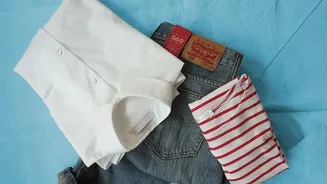
To pack for seven days, you don't need seven distinct outfits. You need a small collection of versatile pieces that can be combined in multiple ways. A good rule of thumb for a week is a small, curated selection. Consider packing three to four tops, such as quick-dry t-shirts or rayon blouses. For bottoms, two pairs are often sufficient. Opt for quick-dry trousers, capris, or a versatile skirt. Avoid jeans, which are heavy and hold moisture. Add one slightly more formal item, like a linen-blend dress or a smart kurta that can be dressed up or down. Sticking to a complementary colour palette ensures that every top works with every bottom, maximising your outfit combinations without adding weight.
Master the Art of the Roll
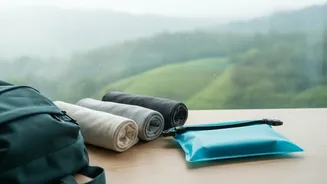
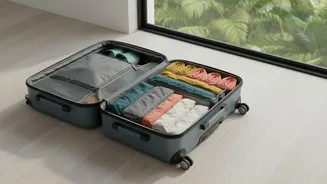
How you pack is as crucial as what you pack. Rolling your clothes instead of folding them is a classic space-saving technique for a reason: it works. Tightly rolled garments take up less volume and are less prone to hard creases than folded squares. For even better organisation and compression, invest in packing cubes. These zippered fabric containers allow you to categorise your clothing (e.g., tops in one, bottoms in another) and compress them down, freeing up significant space in your carry-on. This compartmentalisation not only saves space but also makes it easy to find what you need without unpacking your entire bag.
Rethink Your Outerwear and Footwear
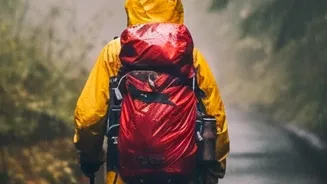
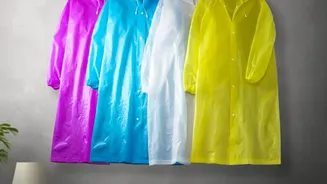
Footwear and jackets are often the heaviest items in a suitcase. For a monsoon trip, you only need two pairs of shoes: one pair of waterproof sandals or floaters with good grip for walking through wet streets, and another pair of comfortable, closed-toe shoes for travel days or drier moments. Wear your heaviest pair on the plane to save weight in your bag. Instead of a bulky jacket, opt for a lightweight, foldable, and fully waterproof raincoat or poncho. This can be easily stuffed into a side pocket and provides essential protection from downpours without sacrificing precious luggage space or weight.
Streamline Your Toiletries and Extras
Liquids are heavy and subject to carry-on restrictions. Decant your essential toiletries like shampoo and lotion into travel-sized (under 100ml) reusable bottles. Better yet, switch to solid toiletries. Shampoo bars, conditioner bars, and soap bars are lightweight, spill-proof, and last a long time. Many hotels provide basic toiletries, so check ahead and leave behind anything you can get at your destination. Beyond clothes, a few monsoon-specific extras are non-negotiable but pack small: a quick-dry microfibre towel, waterproof pouches or a dry bag to protect electronics, insect repellent, and a compact, sturdy umbrella.