








The Illusion of Savings
Walking out of a wholesale club with a trolley piled high feels like a victory against rising food prices. The logic is simple: buying larger quantities often means a lower price per unit. However, this equation only works if you actually use everything
you buy. Studies have shown that households that buy in bulk often end up throwing more food away. When items are pushed to the back of a crowded shelf, they are easily forgotten. Out of sight truly becomes out of mind, and by the time you rediscover that giant jar of sauce or bag of lentils, it's often past its best-before date. This cycle of overbuying and subsequent waste can quickly negate, and even exceed, the money you initially saved.
The Real Cost of Clutter
A disorganized pantry isn't just a minor inconvenience; it's a financial drain. Clutter makes it impossible to know what you actually have. This leads to accidentally buying duplicates of items you already own, further crowding your shelves and wasting your money. Think of the half-used bags of flour, the multiple open containers of spices, and the cans of beans you keep buying just in case. Each duplicate purchase is a small financial leak that adds up over time. Globally, households are a massive contributor to food waste, with one estimate suggesting they accounted for 60% of the 1.05 billion tons of food discarded in 2022. An organised system is your best defence against becoming part of that statistic.
Strategy 1: Audit Before You Shop
The single most effective way to make bulk buying work for you is to know what you need before you leave the house. Don't go to the store with a vague idea; go with a precise list based on a recent pantry audit. Before each big shopping trip, take a few minutes to scan your shelves, fridge, and freezer. What are you running low on? What do you have an excess of? This simple habit stops impulse buys and ensures you’re only stocking up on items your family genuinely uses and needs. It turns your shopping trip from a speculative spree into a strategic resupply mission.
Strategy 2: Become a Unit Price Expert
A bigger package isn't automatically a better deal. To be a truly savvy shopper, you must learn to compare unit prices. The unit price tells you the cost per ounce, per kilogram, or per item, and it's the only way to accurately compare different-sized products. Most stores display the unit price on the shelf tag, but you can easily calculate it yourself by dividing the total price by the quantity. A 5kg bag of rice might seem cheaper than a 1kg bag, but the unit price will reveal the truth. Sometimes, a smaller, on-sale item can be a better value than its bulk counterpart. Making this calculation a habit ensures you're guided by math, not just marketing.
Strategy 3: Smart Storage Is Everything
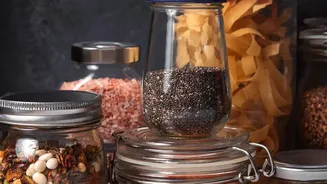
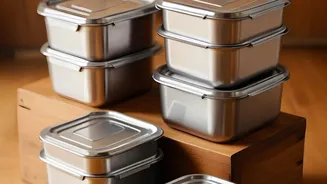
Once you bring your bulk purchases home, how you store them is critical. A well-organised pantry makes it easy to see what you have and use it efficiently. Invest in clear, stackable containers for items like grains, pasta, and snacks. This not only saves space but allows you to see your inventory at a glance. Group like items together—create zones for baking, breakfast, canned goods, and snacks. Implement the 'First In, First Out' (FIFO) rule: when you buy a new item, place it behind the older one. This ensures older stock gets used first, drastically reducing the risk of spoilage.
Know What to Buy and What to Skip
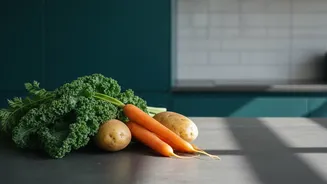
Not all items are created equal when it comes to bulk purchasing. Non-perishable staples with a long shelf life are generally safe bets. This includes things like rice, dried beans, pasta, and canned goods. However, be cautious with items that degrade over time. Spices and dried herbs lose their potency, oils can go rancid, and whole-grain flours have a shorter shelf life than white flour. Perishable items like fresh fruits and vegetables are among the most wasted foods in households, so be realistic about how much your family can consume before it spoils. Buying a giant bag of potatoes is only a good deal if you eat them all before they start to sprout.