



Why Fabric Is the Foundation
A repeatable wardrobe—a curated collection of items you can mix, match, and wear often—is built on longevity and versatility. While color and cut are important, fabric is the element that determines a garment's drape, comfort, durability, and lifespan.
High-quality fabrics hold their shape, resist wear, and feel better against the skin, making them pieces you’ll reach for consistently. Shifting your focus from what a garment looks like on the hanger to what it's made of is the first step toward more intentional and sustainable style. A cheap fabric can make an expensive design look worn after a few washes, while a quality material can make even the simplest t-shirt feel like a luxury.
Natural Fibres: The Wardrobe Backbone
Natural fibres are the workhorses of a durable wardrobe, prized for their comfort and breathability. Cotton is a versatile staple, perfect for everything from crisp button-down shirts to sturdy denim. It's breathable and soft, making it ideal for everyday wear. Linen, known for its exceptional coolness in warm weather, offers a relaxed elegance but wrinkles easily, a trait many consider part of its charm. Wool is a master of temperature regulation, providing warmth in winter without causing overheating. A well-made wool coat or tailored trouser can last for decades, forming the structural core of your collection. These fibres tend to age gracefully, often getting softer and better with time.
Semi-Synthetics: For Fluidity and Drape
Sitting between natural and synthetic, regenerated fibres like Tencel (lyocell), modal, and viscose offer unique benefits. Made from natural cellulose, usually wood pulp, these fabrics are known for their beautiful drape, silky feel, and breathability. They are excellent choices for blouses, dresses, and layering pieces that require a more fluid, less rigid silhouette. Tencel, in particular, is noted for its strength and sustainable production process. While these fabrics can bring a touch of luxury and softness to your wardrobe, they sometimes require more delicate care, as they can lose strength when wet.
Synthetics: A Strategic Approach
Synthetic fibres like polyester, nylon, and elastane (spandex) often get a bad reputation, but they serve crucial functions when used strategically. Their strengths lie in durability, wrinkle resistance, and stretch. Instead of forming the bulk of your closet, think of synthetics as performance enhancers. A small percentage of elastane in a pair of cotton jeans provides comfort and shape retention. Nylon adds significant durability to outerwear and bags, while polyester is common in activewear for its moisture-wicking properties. The key is to avoid 100% synthetic fabrics for everyday basics, as they lack breathability and can trap heat and odours. Instead, look for them in blends where they add function without sacrificing comfort.
How to Judge Quality by Touch and Sight
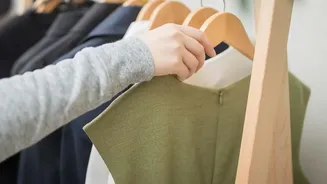
You don't need to be an expert to start assessing fabric quality. First, hold the garment up to a light source. Unless it's meant to be sheer, a quality fabric will have a dense, tight weave or knit, and you shouldn't see through it easily. Look for uniformity in the threads and consistency in the color. Rub the material between your fingers; it should feel substantial, not flimsy or plasticky. Pay attention to the fabric's recovery by gently stretching a small section and seeing if it snaps back into place. Finally, always check the care tag. This not only tells you the fibre composition but also gives you a realistic idea of the garment's upkeep.