



The New Weekend Ritual
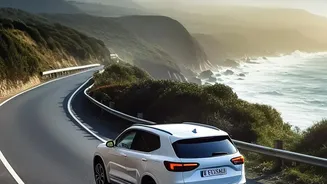
Forget waiting for that one big annual vacation. A new travel rhythm is taking hold across urban India, centered on short, frequent, and driveable getaways. This isn't just about escaping the city; it's a fundamental shift in how people approach leisure.
Data and reports from travel companies show a consistent rise in demand for trips within a 200-400 km radius of major metros. These mini-breaks, often planned around long weekends, are becoming a regular habit for families, groups of friends, and solo travellers alike, who are choosing to explore their own backyards over more complex travel plans. This trend points to a growing preference for experiences that are accessible, repeatable, and offer a quick reset from the pressures of urban life.
What's Fuelling the Drive?
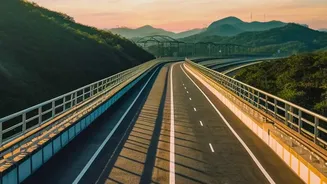
Several factors are converging to put Indians in the driver's seat of their holidays. The most significant is the dramatic improvement in the country's road infrastructure. India's national highway network has expanded by over 60% in the last decade, with new expressways making journeys faster, safer, and more comfortable. The post-pandemic era also created a lasting preference for the safety and control of personal vehicles over crowded public transport. Furthermore, the rise of flexible and remote work arrangements has untethered many professionals from the five-day office week, making it easier to extend a weekend and turn a getaway into a 'workation'. This blend of better roads, a desire for personal space, and greater flexibility is proving to be a powerful combination.
From Megacities to Hidden Gems
This road trip renaissance is most visible around India's major urban hubs. From Delhi, the smooth Yamuna Expressway has made Agra a perennial favourite, while the hills of Uttarakhand and the heritage forts of Rajasthan, like Neemrana, are just a few hours' drive away. For Mumbai residents, the classic twin hill stations of Lonavala and Khandala remain popular, but many are also exploring quieter destinations like Igatpuri or the coastal charms of Alibaug. Down south, the Bengaluru-Mysuru Expressway has significantly cut travel time, making the 'City of Palaces' an easy weekend jaunt. Beyond that, the lush coffee plantations of Coorg and Chikkamagaluru offer a complete change of scenery for those in Bengaluru willing to drive a bit further.
Beyond the Metro Axis
While metro-to-metro routes like Mumbai-Pune remain the busiest, the most significant growth is happening on routes connecting Tier-2 cities and leisure destinations. Corridors such as Ahmedabad-Vadodara, Chennai-Puducherry, and Kanpur-Lucknow are seeing a surge in traffic. This trend signifies that the appetite for road travel is spreading well beyond the country's largest urban centres. It's creating a virtuous cycle: as more people travel by road, it fuels the growth of local economies in smaller towns. This has led to a boom in boutique homestays, farm stays, and eco-resorts, offering travellers more authentic and varied accommodation choices. This dispersal of tourism is helping previously overlooked destinations find their place on the travel map.