



Why August Is a Great Month for Saturn
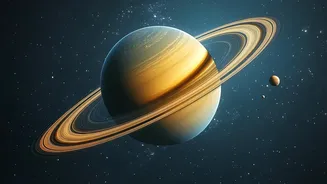
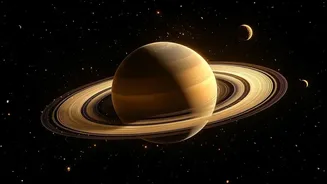
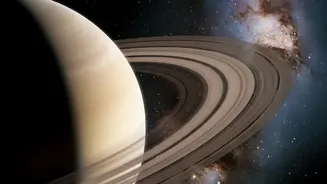
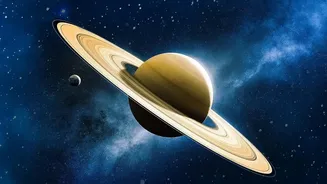
Throughout August, Saturn becomes a prominent feature of our night sky. The planet is moving towards its annual 'opposition' in early October, an event where Earth passes directly between Saturn and the Sun. This means that during August, the planet is relatively
close and growing brighter each night. It will be visible for many hours, rising in the evening and journeying across the sky until dawn. This extended visibility makes it a perfect, patient target for casual skywatchers and aspiring astronomers alike. Several sources confirm that Saturn will be an easy naked-eye object throughout the month.
When and Where to Look
Your best bet is to look towards the eastern sky a couple of hours after sunset. Early in August, Saturn will rise later in the evening, around 11:30 p.m., but by the end of the month, you can expect to see it rising as early as 10 p.m. As the night progresses, it will climb higher, reaching its highest point in the sky around midnight before slowly descending towards the west before sunrise. The planet will be situated in the constellation Pisces. For two easy-to-spot events, look for the Moon to pass near Saturn at the beginning of the month, around August 4, and again for a close approach on the nights of August 30-31.
How to Tell Saturn From a Star
In a sky filled with stars, picking out a planet can seem tricky, but there’s a simple secret: planets don't twinkle. While stars flicker and scintillate due to Earth's atmospheric turbulence, planets shine with a steady, constant light. Look for a bright, yellowish-white point of light that holds its glow without wavering. At a magnitude of around 0.5, Saturn will be as bright as some of the most prominent stars in the sky, making it a standout object once you know what to look for. If you find a bright 'star' in the east that isn't twinkling, you have likely found the ringed giant.
Tips for the Best Viewing Experience
While Saturn is bright enough to be seen from urban areas, your experience will be greatly enhanced by finding a darker location. If you can, get away from the glare of city lights in places like parks or open fields. Give your eyes about 20-30 minutes to fully adjust to the darkness; this will allow you to see much fainter objects, and Saturn will appear even more brilliant. Patience is key. Also, be sure to check the local weather forecast for a clear, cloudless night. While not essential, a stargazing app on your phone can be a helpful tool to confirm you're looking in the right direction.
What If I Have Binoculars?
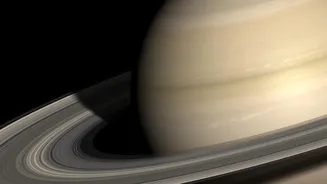
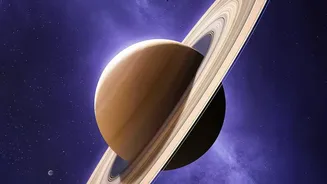
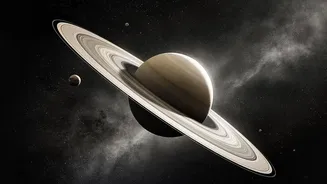
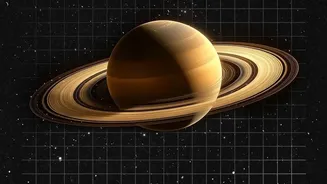
The promise of this guide is viewing without special equipment, and that holds true. You can easily see Saturn with just your eyes. However, if you happen to have a standard pair of binoculars, they can add a little extra to the experience. While you won't see the famous rings as separate structures—for that, you really do need a telescope—binoculars will gather more light and may reveal that Saturn is not a perfect point. You might just be able to discern a slightly oval or elongated shape, a subtle hint of the magnificent ring system that encircles the planet. It’s a rewarding bonus for those who have a pair handy.