




The Plastic Predicament
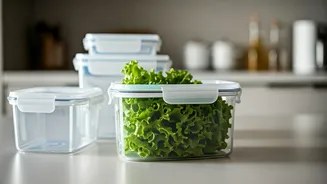
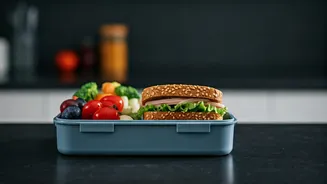
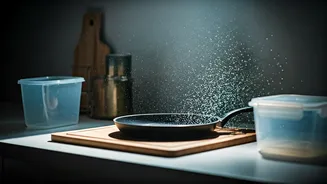
Colourful, lightweight, and cheap, plastic tiffins have flooded the market, appealing to our desire for convenience. But this convenience comes at a hidden cost. Many plastic containers, especially when heated, can leach harmful chemicals like Bisphenol-A
(BPA) and phthalates into our food. These chemicals are known endocrine disruptors, linked to a host of health issues, including hormonal imbalances, reproductive problems, and even certain types of cancer. Packing hot parathas or curries in a plastic box accelerates this chemical transfer. Even 'BPA-free' plastics may not be entirely safe, as they often contain substitute chemicals like BPS or BPF, which studies suggest could have similar harmful effects. Beyond direct health risks, the rise of microplastics is a growing concern; these tiny particles can shed from containers into our meals, leading to unknown long-term consequences.
Is Steel Always Superior?
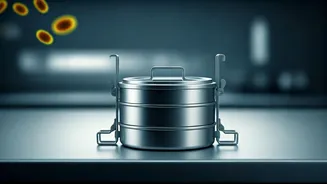
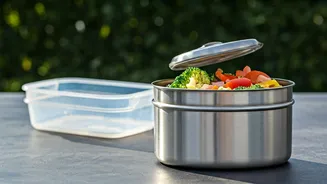
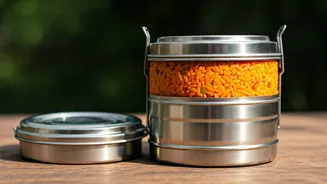
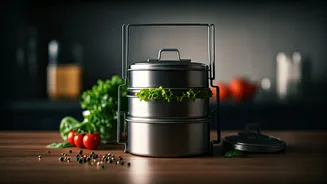
The traditional choice, stainless steel, is often seen as the gold standard, and for good reason. It’s durable, doesn't absorb odours or stains from our vibrant curries, and is generally non-reactive. However, not all steel is created equal. The market is saturated with various grades, and the difference matters. Food-grade 304 stainless steel, also known as 18/8, is highly resistant to rust and corrosion, making it a safe and reliable choice for food. In contrast, cheaper 202-grade stainless steel, which has a lower nickel content and higher manganese, is more susceptible to corrosion over time, especially with acidic foods like pickles or sambar. While 202 steel might be adequate for some uses, for daily tiffin use where food is stored for hours, investing in high-quality 304-grade steel ensures that no unwanted metals are leaching into your dal or sabzi.
Exploring Smarter Alternatives
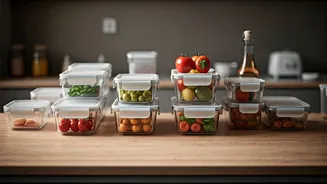
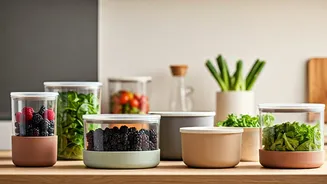
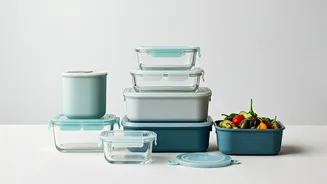
The good news is that consumer awareness is creating a demand for better, safer options beyond the steel-versus-plastic debate. Glass containers, for instance, are an excellent choice. They are chemically inert, meaning they won't leach anything into your food, and they don't hold onto stains or smells. Their main drawbacks are weight and fragility, which can be a concern for a daily commute. Another rising star is food-grade silicone. It's lightweight, flexible, and can handle high temperatures, making it microwave-safe without the risks associated with plastic. High-quality, platinum-cured silicone is free from BPA and phthalates and doesn't release microplastics. The key is to opt for reputable brands to avoid lower-quality versions that might retain odours.
The Bigger Picture: Health and Planet
Our choice of tiffin box extends beyond personal health; it has a significant environmental footprint. The proliferation of single-use and low-quality plastic containers contributes massively to our landfills and pollutes our oceans. They break down into microplastics that contaminate soil and water, entering our food chain in a vicious cycle. In contrast, durable materials like high-grade stainless steel and glass have a much longer lifespan. A single, well-made stainless steel or glass tiffin can last for decades, drastically reducing waste. By choosing materials that are built to last, we not only protect our own well-being but also take a small yet meaningful step towards a more sustainable lifestyle. The ethos of the tiffin — a home-cooked, waste-free meal — should extend to the container itself.