


1. Millets Instead of Refined Flours
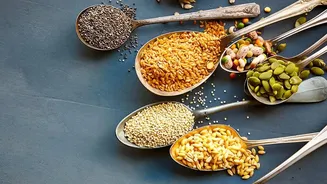
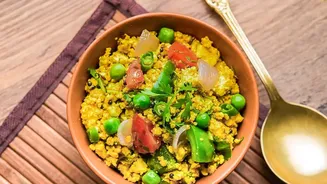
Once considered humble grains, millets like jowar, bajra, and ragi are making a major comeback. Unlike refined wheat flour (maida) and white rice, which are stripped of nutrients, millets are packed with dietary fibre, protein, and essential minerals
like calcium and iron. Their low glycemic index helps in managing blood sugar levels by providing a steadier release of energy. This makes them a smarter choice for daily meals, from rotis and dosas to porridges and baked goods.
2. Jaggery Instead of White Sugar
For generations, jaggery, or 'gur', was the primary sweetener in Indian households before refined white sugar took over. Many are now switching back. While both have similar calorie counts, jaggery is unrefined and retains minerals like iron, potassium, and magnesium from sugarcane juice. It is also rich in antioxidants and is traditionally believed to aid digestion and cleanse the body. Though it has a high glycemic index, its nutritional profile makes it a superior choice to empty-calorie white sugar for those without blood sugar concerns.
3. Cold-Pressed Oils Instead of Refined Oils
The cooking oil section is seeing a significant shift. Consumers are increasingly choosing cold-pressed oils—extracted mechanically without heat or chemicals—over industrially refined ones. The refining process strips oils of their natural nutrients, aroma, and flavour. Cold-pressed oils, such as groundnut, mustard, and sesame, retain their vitamin E, antioxidants, and healthy fats, which support heart health and boost immunity. This move is a return to traditional 'ghani' or 'kolhu' oils, prized for their purity and taste.
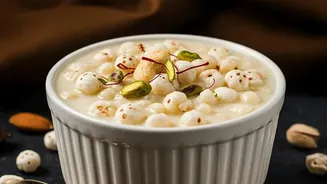
4. Makhana Instead of Packaged Chips
Makhana, or fox nuts, have transitioned from a traditional fasting food to a mainstream healthy snack. Light, crunchy, and satisfying, roasted makhana is an excellent alternative to fried chips and namkeen. They are low in calories and fat, yet rich in protein, fibre, and minerals like magnesium and potassium. Their low glycemic index also makes them a smart choice for those managing blood sugar. This guilt-free snack provides a filling crunch without the unhealthy fats and empty calories found in most processed snacks.
5. Desi Ghee Instead of Refined Oils and Butter
Long demonised, pure desi ghee is being welcomed back into the kitchen for its numerous health benefits. Rich in fat-soluble vitamins like A, D, E, and K, ghee supports immunity, bone health, and digestion. It has a high smoke point, making it a stable fat for Indian cooking. According to Ayurveda, ghee nourishes all the tissues of the body and supports brain function. Many are now choosing traditionally made ghee over processed butters and refined vegetable oils.
6. A2 Milk Instead of Conventional Milk
The dairy aisle now has a prominent A2 milk section. This milk comes from indigenous Indian cow breeds like Gir and Sahiwal, which naturally produce the A2 beta-casein protein. Many people find A2 milk easier to digest compared to regular milk, which contains a mix of A1 and A2 proteins and is often associated with bloating and discomfort. The growing preference for A2 milk also reflects a broader movement towards supporting native breeds and ethical, hormone-free dairy farming.
7. Rock Salt Instead of Table Salt
Sendha namak, or rock salt, is another traditional ingredient finding its way into daily cooking. Unlike highly processed table salt, which is stripped of minerals and often contains anti-caking agents, rock salt is unrefined. It is mined from salt deposits and retains trace minerals like potassium, magnesium, and calcium. Many users prefer its milder, more complex flavour and appreciate it as a more natural, additive-free alternative to regular iodized salt.
8. Homemade Fermented Foods Instead of Sauces
Gut health has become a priority, leading to a renewed interest in traditional fermented foods. Items like homemade dahi (curd), pickles, and drinks like Kanji are being embraced for their probiotic benefits. These foods support a healthy gut microbiome, which is crucial for digestion and immunity. Instead of relying on store-bought sauces and condiments that are often high in sugar and preservatives, people are turning to these natural, live foods to add flavour and nutrition to their meals.
9. Nuts and Seeds Instead of Biscuits
For a quick energy boost, many are reaching for a handful of nuts and seeds instead of packaged biscuits made with refined flour and sugar. Almonds, walnuts, and seeds like flax and chia are nutrient-dense powerhouses. They provide healthy fats, protein, fibre, and essential vitamins and minerals. This simple swap helps in better appetite control, provides sustained energy, and avoids the blood sugar spike associated with refined carbohydrate snacks.
10. Fresh Fruit Instead of Packaged Juices
Consumers are becoming increasingly aware that packaged fruit juices are often loaded with added sugars and preservatives, with very little of the fibre found in whole fruits. As a result, there's a clear trend of choosing a whole apple, banana, or orange over a carton of juice. Whole fruits provide natural sugars along with essential fibre, which aids digestion and promotes a feeling of fullness. This choice is a simple yet effective way to reduce sugar intake and consume fruits in their most natural and beneficial form.